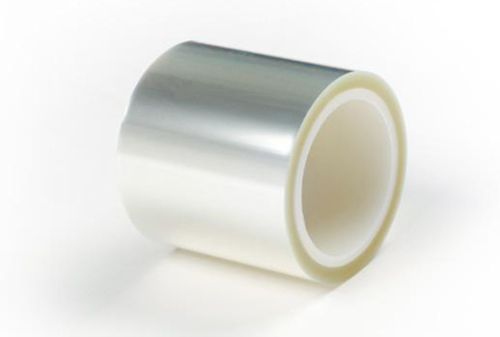
1. The Packaging Material Crisis: Traditional Foil vs. Sustainable Paper Substrates
For decades, flexible packaging converters have relied heavily on tri-laminate and quad-laminate structures combining PET, PE, aluminum foil, and CPP to protect sensitive products. While aluminum foil provides zero-permeability protection, it creates an environmental dead end: multi-material laminates cannot be separated in municipal recycling facilities and inevitably end up in landfills or incinerators.
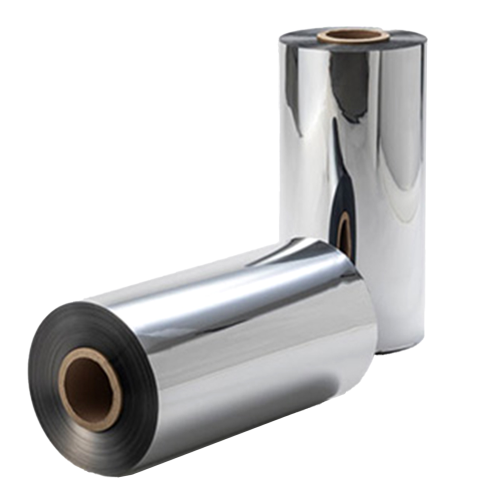
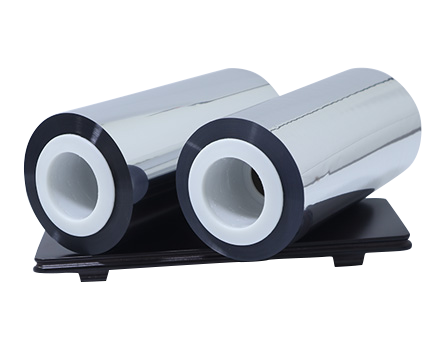
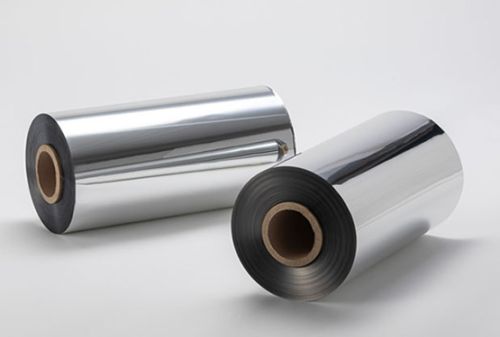
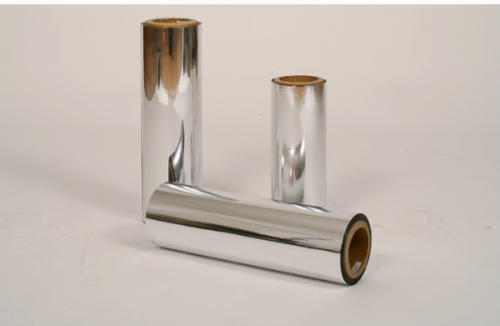
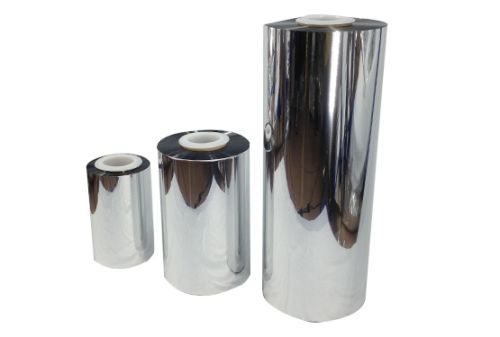
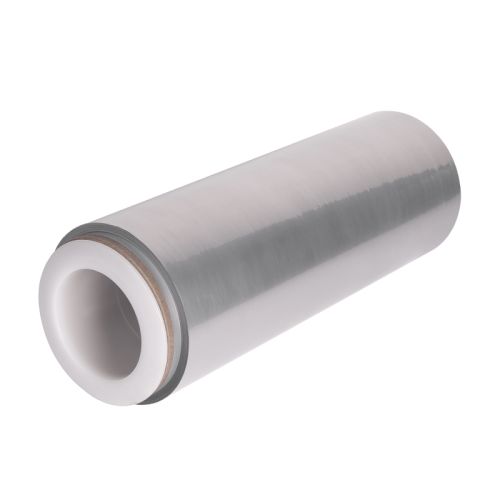
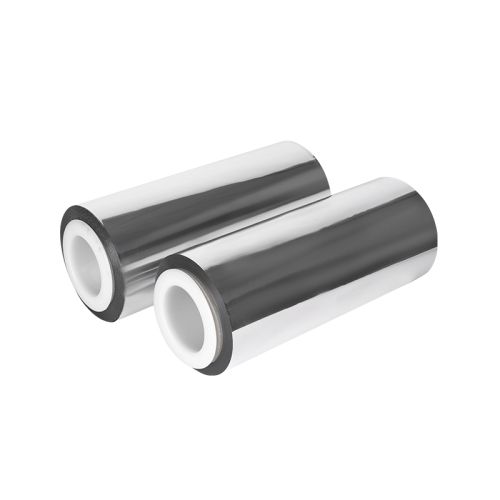
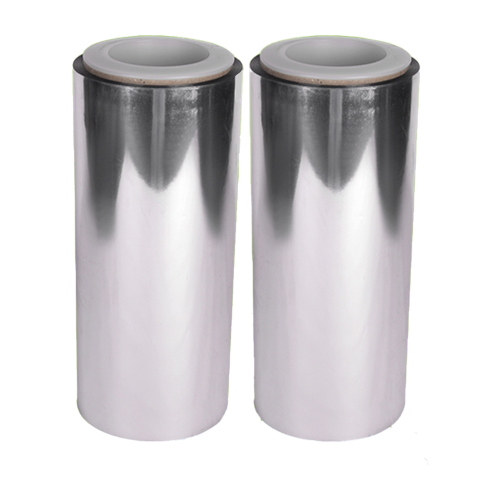
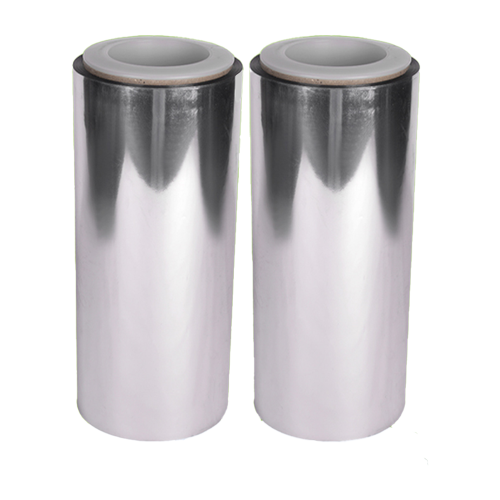
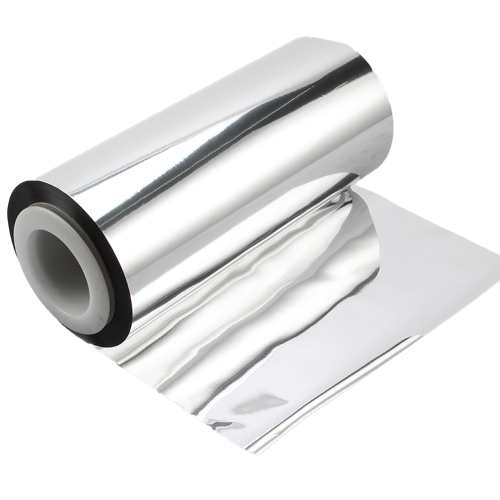
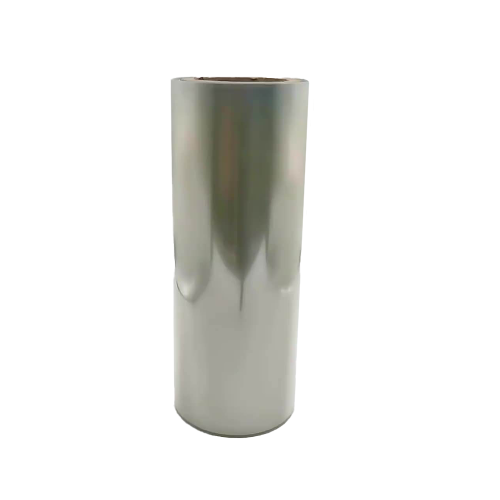
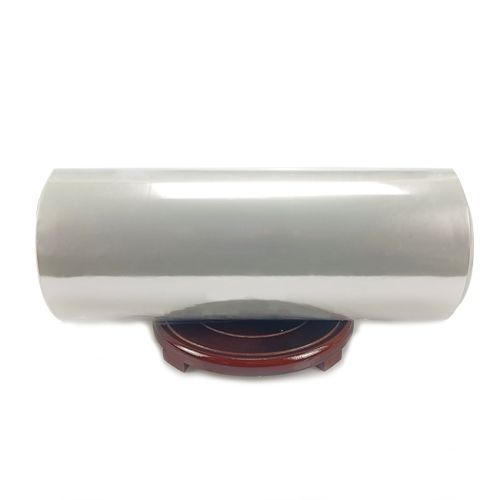
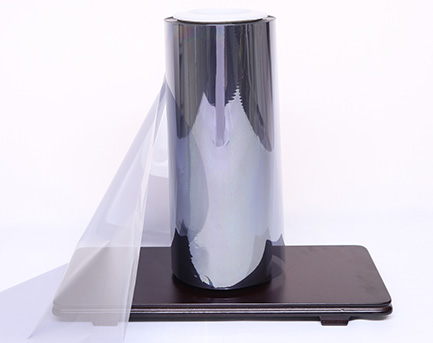
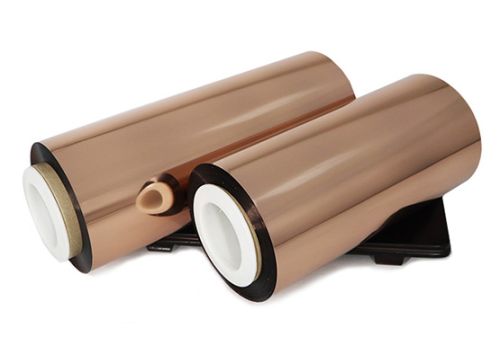
As Extended Producer Responsibility (EPR) regulations and eco-taxes penalize non-recyclable composite packaging, enterprise brand owners are upgrading their material specification sheets to high-barrier vacuum metallized paper. By transitioning to a single-material paper substrate coated with a microscopic nano-aluminum layer, companies achieve near-foil protection while achieving 100% repulpability in standard paper streams.
2. Technical Performance Benchmarks
Understanding the performance parameters of a recyclable barrier paper supplier's product is essential for packaging engineers seeking to maintain product shelf-life without increasing plastic footprint.
| Performance Property | Conventional Al Foil Laminate | Plastic PET/PE Film | High-Barrier Vacuum Metallized Paper |
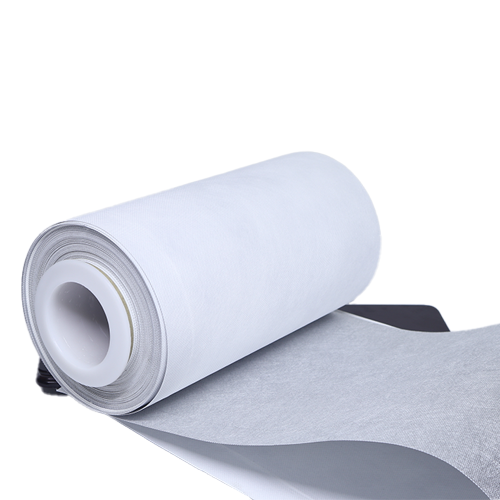
| Substrate Base | Paper / Plastic / Metal Foil | Fossil-based Polymers | FSC-Certified Cellulosic Paper |
| Aluminum Layer Thickness | 6.0 – 9.0 microns | None (or heavy film) | 0.02 – 0.05 microns (Nano-layer) |
| Recyclability & Repulpability | Non-recyclable composite | Low / Requires specialized facilities | 100% Repulpable (Standard Paper Stream) |
| Moisture Barrier (WVTR) | Ultra-High (< 0.1 g/m²/day) | Moderate (1 – 5 g/m²/day) | High (< 0.5 - 1.0 g/m²/day) |
| Oxygen Barrier (OTR) | Ultra-High (< 0.1 cc/m²/day) | Moderate (2 – 10 cc/m²/day) | High (< 0.5 - 1.5 cc/m²/day) |
| Plastic Reduction | 0% Reduction | 0% Reduction | > 85% - 95% Plastic Reduction |
3. Engineering Breakthroughs: How High-Barrier Vacuum Metallization Works
The production of premium plastic-free metallized paper involves sophisticated physical vapor deposition (PVD) inside high-vacuum chambers. The process follows three precise engineering phases:
- Substrate Surface Priming: High-density base paper undergoes a water-based smoothing lacquer coating to seal surface micropores, creating an ultra-smooth foundation for uniform deposition.
- Vacuum Vapor Deposition: Pure aluminum wire is vaporized at temperatures exceeding 1400°C inside a vacuum chamber ($10^{-4}$ mbar). The vapor condenses onto the paper web, creating a dense barrier layer just 30 to 50 nanometers thick.
- Topcoat Protective Sealing: A protective top coating is applied over the metallic layer, enhancing scratch resistance, printability (flexo, rotogravure, offset), and heat-sealability for high-speed conversion lines.
4. Industrial Applications & Case Studies
- Specialty Coffee & Tea Pouches: Replaces plastic/foil tri-laminates with high-barrier sustainable flexible packaging materials, keeping roasted beans fresh while reducing plastic weight by over 90%.
- Confectionery & Bakery Wraps: Acts as an eco-friendly aluminum foil alternative, protecting chocolates, biscuits, and snack bars against oil migration, light degradation, and moisture gain.
- Personal Care & Cosmetics Outer Sleeves: Serves as a reliable green cosmetic packaging supplier material, providing luxury packaging with a brilliant chrome-like metallic sheen while satisfying corporate zero-waste targets.
- Dry Food & Pharmaceutical Blister Backing: Serves as a high barrier paper packaging substrate for milk powder, seasonings, nutrition sachets, and tablet outer wraps.
5. Cost Efficiency & Regulatory Compliance Advantages
Beyond technical protection, adopting WVTR oxygen barrier paper offers direct financial benefits for enterprise procurement:
- Reduced Eco-Tariff Liabilities: Avoids escalating plastic taxes in the EU, UK, and North America by replacing polymer films with fiber-based substrates.
- Lower Transport Carbon Footprint: The ultra-lightweight profile of vacuum metallized paper reduces overall pack weight, cutting shipping freight emissions and fuel costs.
- Streamlined Supply Chain Integration: Runs efficiently on existing form-fill-seal (FFS) packaging machinery with minimal adjustments to sealing temperatures and web tension.
6. Conclusion: Take the Lead in Sustainable Packaging Conversion
High-barrier vacuum metallized paper is no longer a niche prototype—it is a commercially proven, industrial-scale packaging material driving the global transition toward a circular economy. For packaging converters and brand owners seeking to eliminate non-recyclable plastic and foil composites, metallized paper provides the perfect balance of barrier performance, aesthetic appeal, and total recyclability.