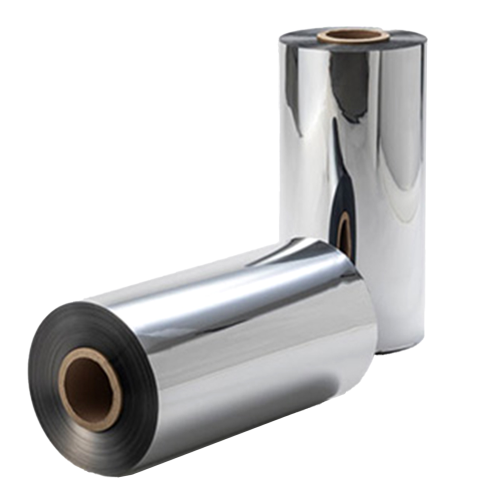
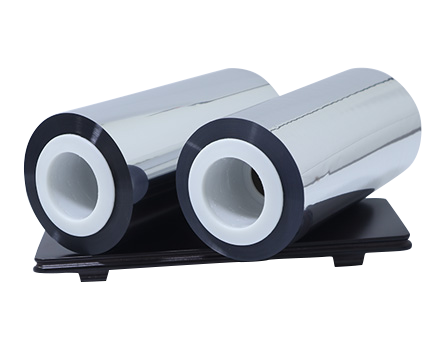
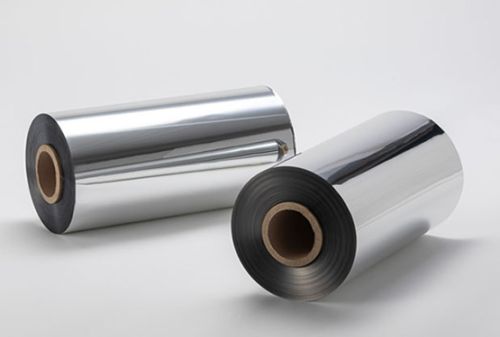
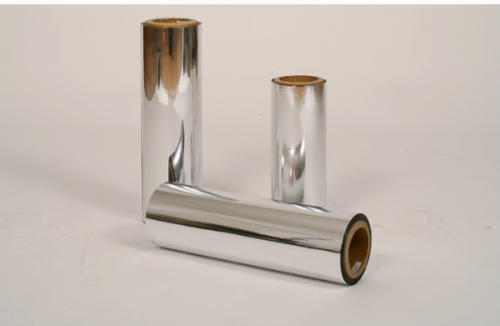
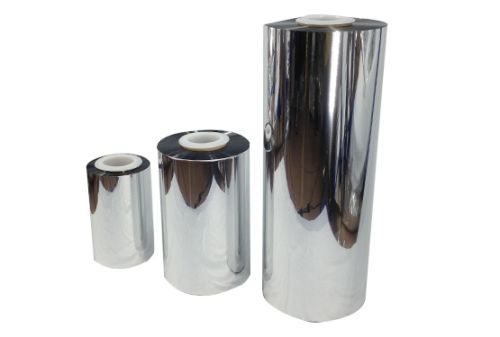
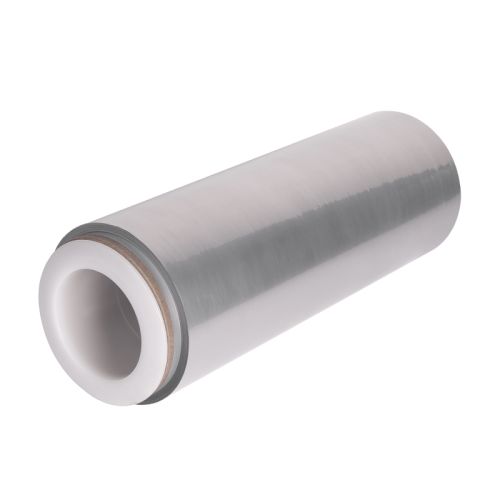
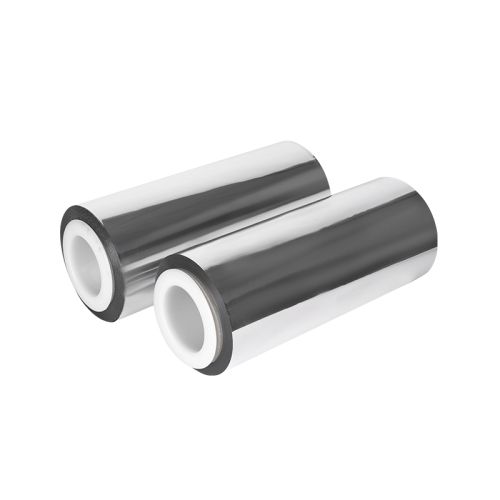
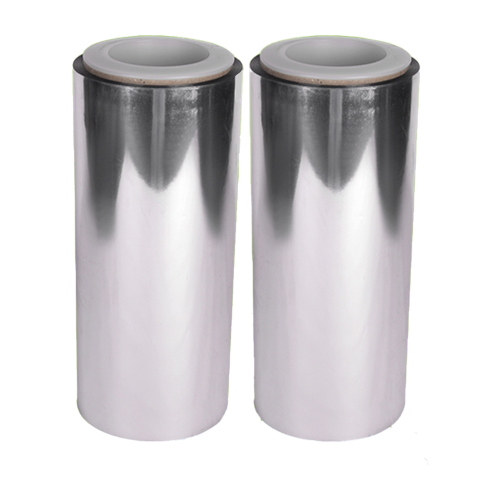
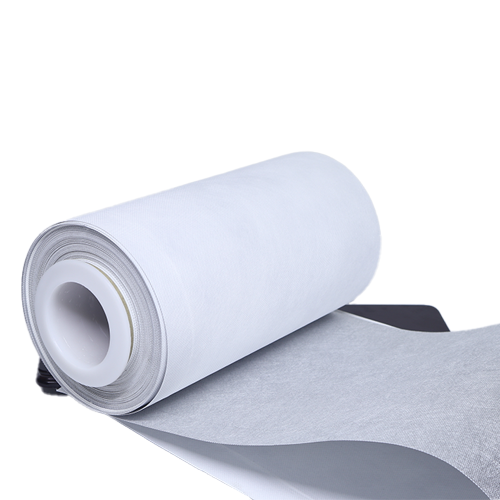
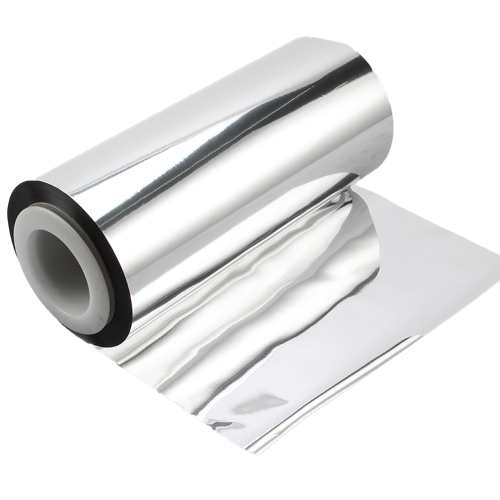
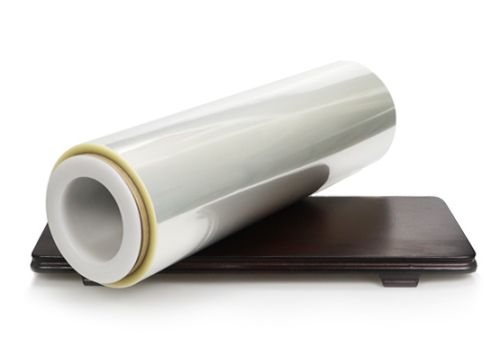
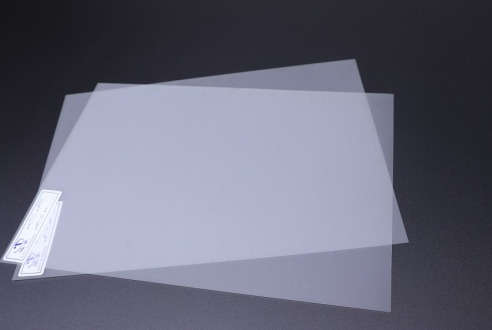
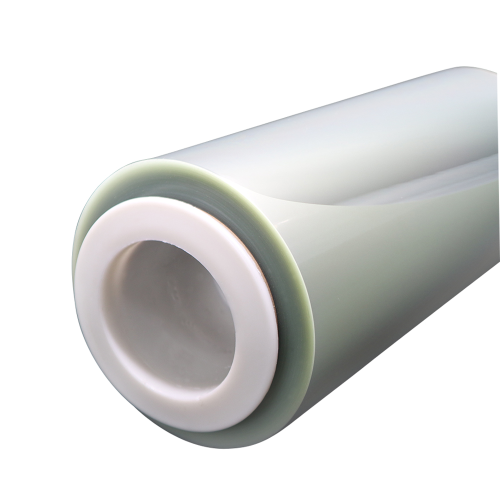
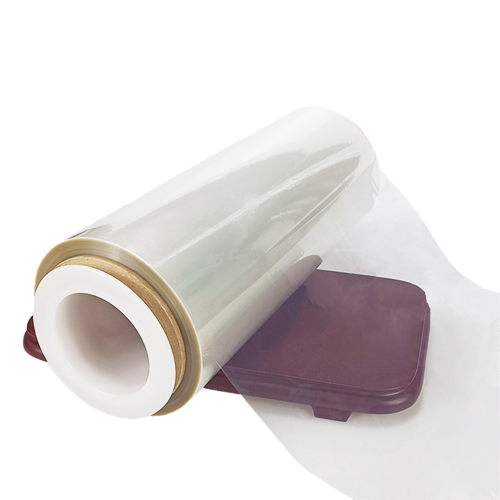
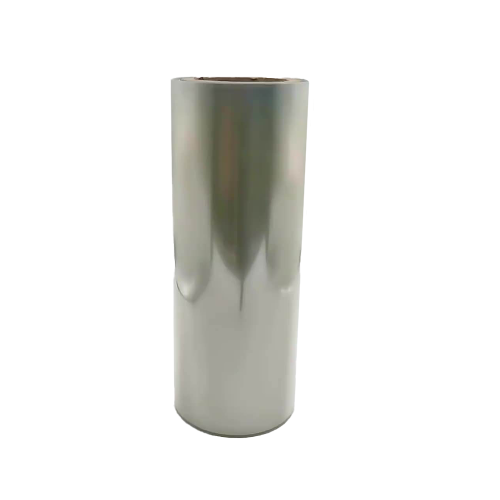
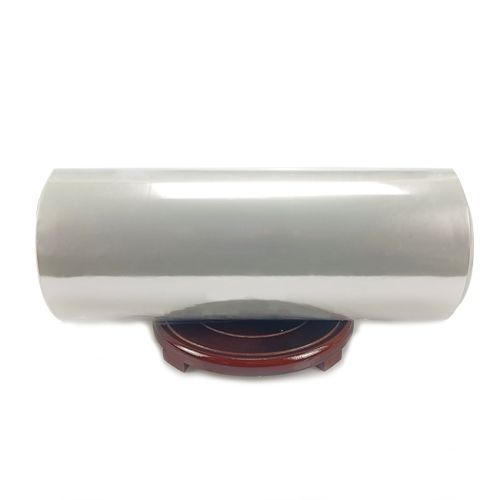
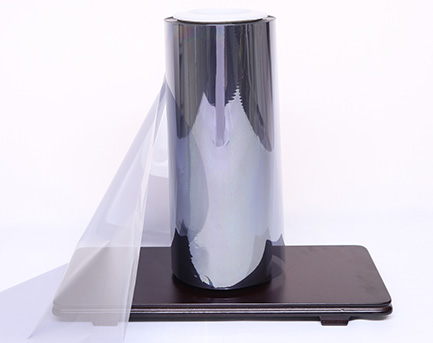
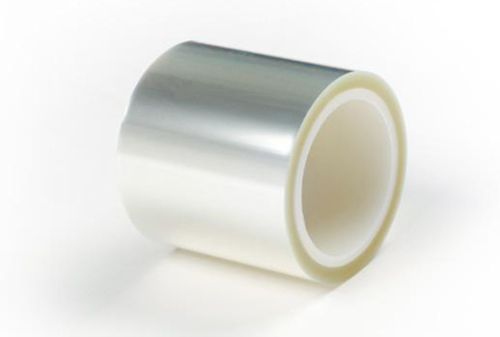
A biodegradable package is not useful if the product becomes stale, oxidized, or moisture damaged before sale. Biodegradable barrier film for food packaging must therefore connect the environmental objective with the actual shelf-life requirement. PLA AlOx Film combines a transparent PLA substrate with an aluminum oxide barrier layer, giving converters a material to evaluate for PLA-based laminates, paper-plastic pouches, and visible product formats. It is not a universal replacement for every metallized or foil structure, but it can close a functional gap in selected biodegradable packaging projects.
Why uncoated PLA may not be enough
PLA can provide transparency, stiffness, printability, and a biodegradable-material route under specified conditions. Food protection, however, depends on oxygen sensitivity, water activity, aroma retention, light exposure, fill temperature, distribution climate, and expected shelf life. Dry foods, tea, snacks, and powdered products may need more moisture control than an uncoated PLA web provides. Fat-containing or oxygen-sensitive foods may require stronger oxygen protection.
How biodegradable barrier film for food packaging works
Cailong PLA AlOx Film consists of a PLA base with an AlOx coating. The supplied data lists a typical thickness range of 15 to 40 micrometers, density of 1.26 g/cm3, surface tension of 44 mN/m, and AlOx-layer adhesion of 2.5 N/15 mm under the supplier's stated methods. A typical heat-seal strength of 7.2 N/15 mm is listed under specified sealing conditions of 85 C/80 C, 0.4 MPa, and 2 seconds.
The data gives broad OTR and WVTR ranges of 2 to 60 under ASTM D3985 and ASTM F1249. Because the brochure does not state all environmental test conditions alongside these ranges, they should be used only for grade screening. Request the exact grade, units, conditioning, and test conditions before using a value in shelf-life calculations.
Where the film may fit
The product information positions PLA AlOx for packaging-pouch lamination, paper-plastic laminated pouches, and applications where a biodegradable transparent substrate needs improved barrier. Candidate uses can include dry snacks, tea, grains, powdered foods, and other products whose shelf-life target can be met by the selected grade and final laminate. Products requiring severe heat processing, extreme puncture resistance, or very low barrier values need separate material evaluation.
Possible laminate-development routes
A converter may evaluate PLA AlOx with compatible PLA-based or biodegradable sealant layers, or as part of a paper/PLA-based structure. The package should be designed around the intended end-of-life claim. Adhesives, inks, coatings, zippers, and labels can influence whether the final pack meets a compostability or biodegradability standard. Do not transfer a property of the base film to the completed package without certification of the full construction.
Trial and qualification priorities
- Define the food's oxygen, moisture, aroma, and light sensitivities before selecting a grade.
- Test barrier on the final laminate after curing and pouch conversion.
- Confirm heat-seal range, hot tack, leak resistance, and compatibility with the filling line.
- Check folds and flexed areas for coating damage or barrier loss.
- Run migration, food-contact, and end-of-life assessments required by the target market.
- Use real-time or validated accelerated shelf-life testing with the actual product.
Do not confuse biodegradation with barrier durability
The material must remain functional during manufacturing, filling, transport, retail storage, and consumer use. Its intended end-of-life behavior applies under defined disposal conditions after use. A biodegradable film should not be expected to lose strength or barrier during normal storage. Claims should identify the relevant environment, standard, certification scope, and complete package construction.
Include hot and humid distribution conditions when they are relevant to the sales market. Check seal creep, dimensional change, haze, odor, and barrier retention. Compare the result with an uncoated PLA control and the current commercial structure so the effect of the AlOx layer and the full laminate can be separated.
Procurement questions before ordering
Ask the supplier which grade matches the barrier, thickness, sealing, and lamination process; whether the data are typical or guaranteed; and how the film should be stored. Request representative roll samples, not only hand sheets. Confirm roll width, core, winding direction, splice policy, packaging, lead time, and batch documentation before commercial approval.
FAQ
Is PLA AlOx automatically compostable as a finished pouch?
No. The complete pouch must be assessed. Adhesives, inks, sealants, closures, and layer thicknesses all influence the final claim and may require third-party testing.
Can PLA AlOx replace VMPET in every dry-food pack?
No. It offers transparency and a PLA-based route, while VMPET provides opacity and a different barrier profile. Compare shelf life, light protection, mechanical durability, cost, and end-of-life requirements.
Are the listed OTR and WVTR figures guaranteed?
They are reference ranges from the supplied product information. Obtain grade-specific data under clearly stated conditions and test the completed laminate before approval.
Conclusion
Biodegradable barrier film for food packaging must protect the product as well as support the material strategy. PLA AlOx Film offers a transparent barrier option for selected PLA and paper-based laminates. Review the product page and request a grade-specific trial based on the food, structure, seal process, shelf life, and intended end-of-life claim.
Related resource: PLA AlOx films
Related resource: PLA barrier guide