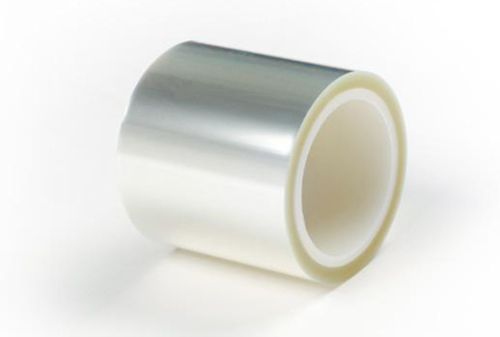
Retort packaging normally forces a difficult choice: use an opaque foil or metallized barrier, or keep product visibility and accept a more demanding material qualification. BOPP SiOx Film offers a transparent barrier route, but a successful retort pouch depends on more than the incoming film specification. Converters must protect the oxide layer during printing and lamination, select a compatible retort adhesive and sealant, and verify oxygen, moisture, bond, seal, and mechanical performance after the full thermal cycle.
Why Transparent Retort Structures Are Difficult
Retort exposes a laminate to heat, pressure, moisture, and dimensional stress at the same time. Polymer layers can shrink at different rates. Adhesives may lose bond strength before they are fully cured or if the system is not designed for the selected process. Seals can creep, channels can develop, and a thin transparent oxide coating can crack when the pouch flexes or folds. A film that performs well before processing can therefore show a different barrier result after retort.
The product also matters. Sauces, meat products, pet food, and other retorted foods differ in oil content, acidity, particle size, fill temperature, headspace, and seal contamination. The structure should be selected around the most severe combination of product, package geometry, process schedule, and distribution conditions.
Confirmed BOPP SiOx Film Performance
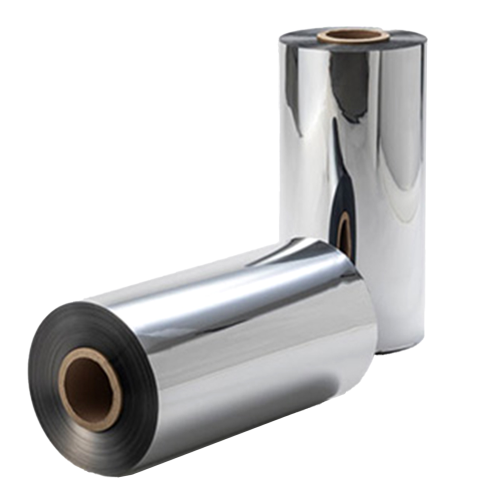
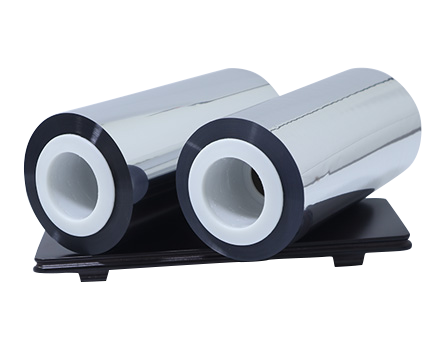
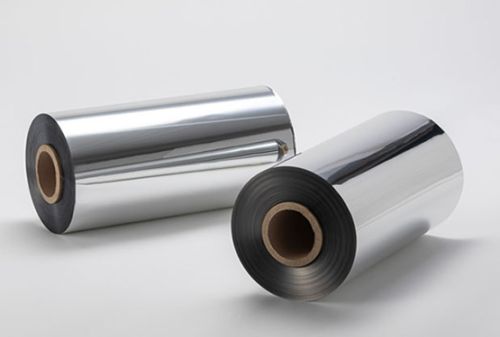
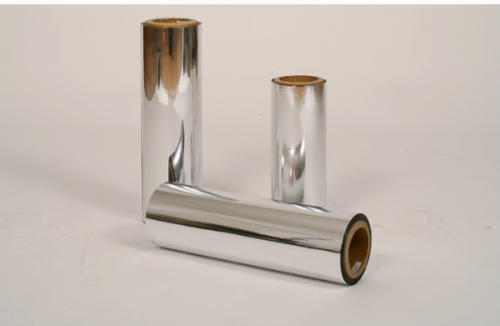
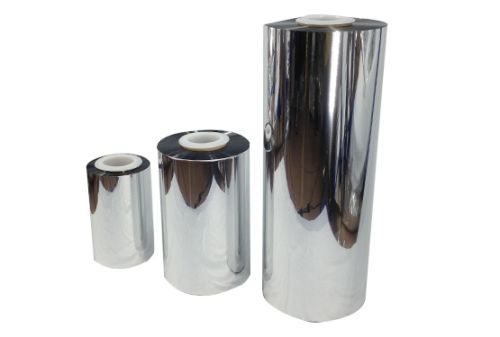
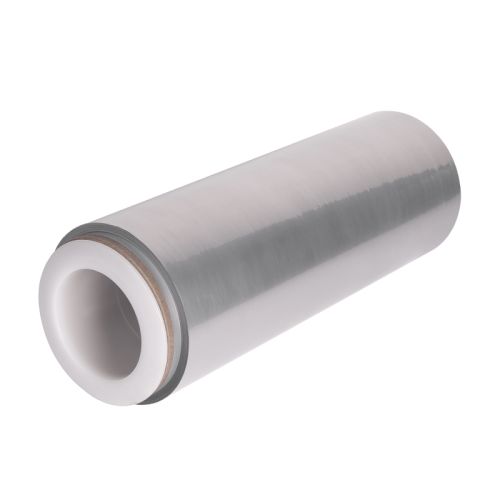
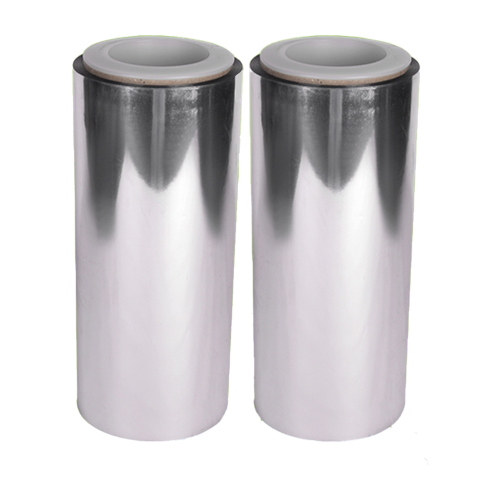
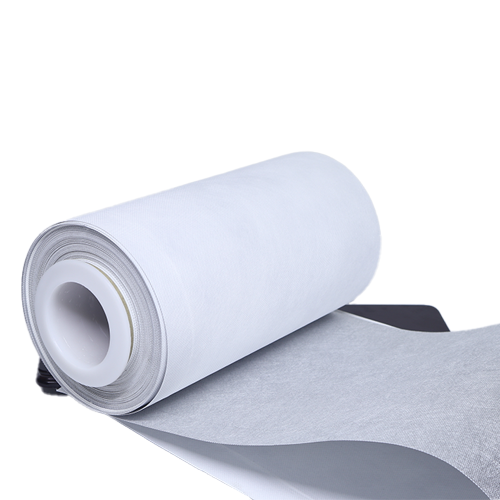
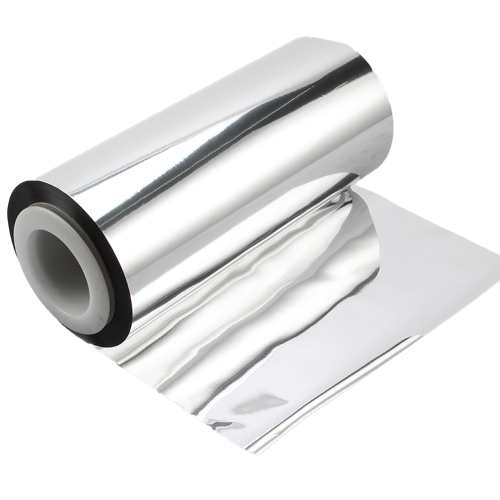
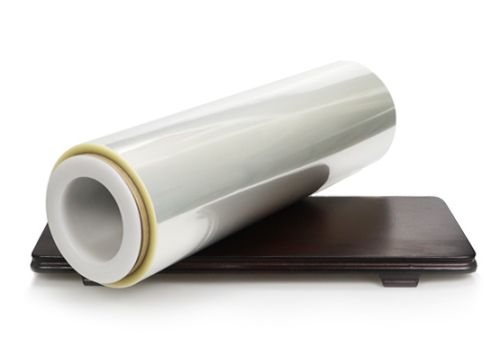
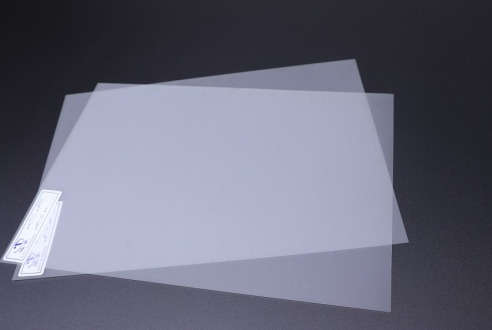
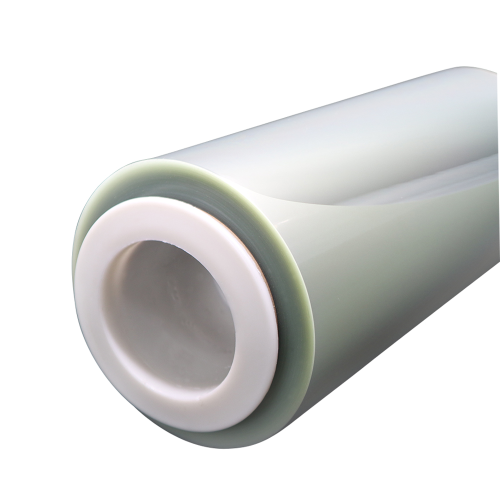
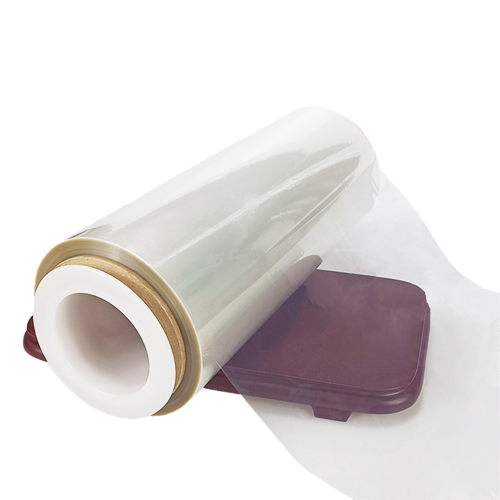
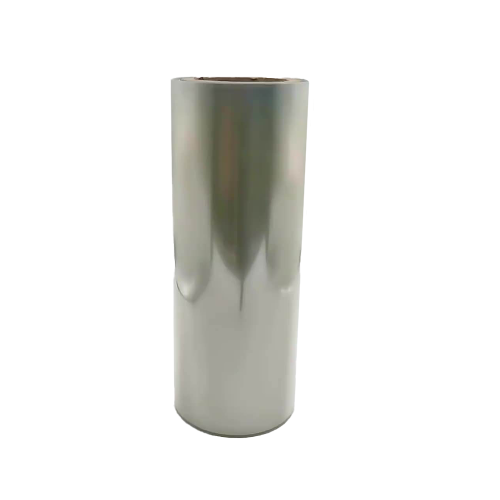
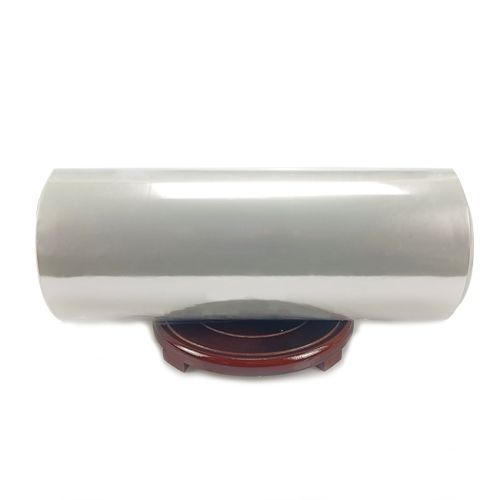
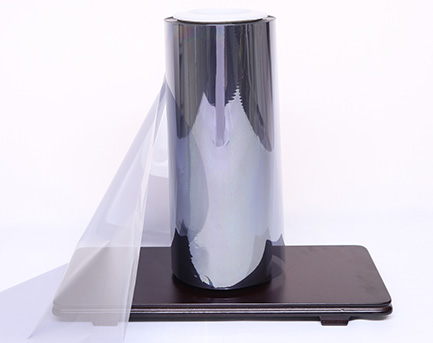
Cailong identifies BOPP-SiOx-TZ as an 18 micrometer, two-side-corona BOPP film with a transparent silicon oxide barrier layer. The published product information states retort capability at 121 degrees C for 30 minutes and lists a recommended structure of BOPP / BOPP-SiOx / RCPP. The material is intended as the barrier layer rather than as a complete pouch by itself.
For the reported 18 micrometer sample, OTR was 0.35 cc/m²·day under ASTM D3985 at 23 degrees C and 0% RH, while WVTR was 0.42 g/m²·day under ASTM F1249 at 38 degrees C and 90% RH. These are reported test results under specified conditions, not automatic guarantees for every grade, roll, laminate, or retorted pouch. Buyers should request the current grade specification and certificate requirements before approval.
How the Recommended PP Structure Works
In a BOPP / BOPP-SiOx / RCPP laminate, the outer BOPP can provide printing support and surface protection, the SiOx-coated BOPP supplies the transparent barrier function, and RCPP provides the heat-seal layer required for retort. Keeping the main webs within the PP family may support a mono-PP design direction, but the finished package is not automatically recyclable. Adhesives, inks, coatings, closures, layer proportions, and local recycling rules must also be assessed.
The SiOx surface should normally be protected inside the laminate. The converter must confirm which side is intended for adhesive contact and which web carries the print. Reverse printing can help protect graphics, but ink coverage and residual solvent can influence bond development. The approved structure should record material orientation so production teams do not reverse the barrier web.
Retort Qualification Sequence
Define the food, fill weight, pouch size, headspace, process temperature, hold time, pressure, and cooling cycle.
Confirm the adhesive and RCPP sealant are intended for the exact retort schedule and product chemistry.
Measure initial laminate bond and barrier only after the specified adhesive cure.
Retort filled pouches using representative production equipment and loading patterns.
Recheck appearance, delamination, seal integrity, leakage, bond strength, OTR, and WVTR after processing.
Run drop, compression, flex, and shelf-life testing on the retorted package, not only on flat film.
Processing Risks to Control
Stable web tension is essential because the oxide layer is thin and brittle compared with the polymer substrate. Avoid hard wrinkles, sharp fold lines, abrasive rollers, and excessive nip pressure. Keep rolls clean and protected from uncontrolled humidity and temperature changes. During printing and lamination, verify surface tension with an agreed method and use process settings established through a controlled trial.
Adhesive mixing ratio, coat weight, drying, residual solvent, nip temperature, and cure time should be recorded. If a failure occurs after retort, identify the interface: ink-to-film, adhesive-to-ink, adhesive-to-SiOx, or within a film layer. This prevents the team from blaming the barrier film when the root cause is incomplete cure, incompatible chemistry, or a contaminated surface.
Comparing SiOx With Foil and Metallized Film
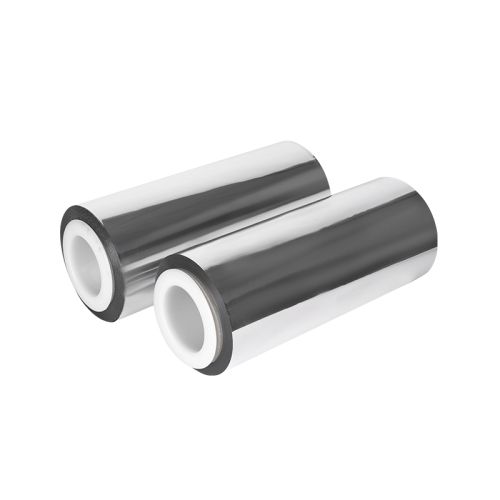
Aluminum foil provides opacity and very strong light, oxygen, and moisture protection when it remains intact, but it prevents product visibility and can crack under severe flexing. Metallized film also blocks light and provides a metallic appearance. BOPP SiOx keeps the package transparent and supports metal detection and microwave-related design possibilities where the complete construction is suitable. It should not be described as superior in every case; light-sensitive or extremely barrier-sensitive products may still require an opaque solution.
Questions to Ask Before Ordering
Request the exact grade, width, roll format, corona specification, barrier test conditions, retort statement, and recommended storage. Ask whether values are typical or guaranteed and how barrier and surface treatment are sampled across the web. Confirm change notification, lot traceability, sample availability, and technical support for post-retort testing.
FAQ
Can BOPP SiOx film be retorted by itself?
No. It is a barrier component in a validated laminate. The adhesive, printing system, RCPP sealant, pouch design, and process schedule determine finished-package suitability.
Does 121 degrees C for 30 minutes cover every retort process?
No. It is the published condition for the identified product. Actual pressure, heating and cooling profile, food chemistry, pouch geometry, and equipment must be qualified.
Is the recommended PP laminate automatically recyclable?
No. It supports a PP-focused design, but the complete package must be evaluated under the applicable recycling guidance and local collection system.
Conclusion
BOPP SiOx film can provide transparent barrier performance in retort packaging when the complete PP laminate and thermal process are qualified together. Review the verified BOPP-SiOx-TZ Film page, then test the selected roll with the actual inks, adhesive, RCPP, food, retort cycle, and distribution conditions.
Related resource: SiOx comparison guide