Summary
Many food packaging converters, packaging engineers and brand material teams are dealing with a practical conflict involving need product visibility without giving up oxygen and moisture protection. PET-AlOx Film provides a material route worth evaluating, but the decision should be based on the complete structure, verified specifications and production trials rather than a single headline property.
Customer Challenge: Define the Failure Before the Film
The project usually starts with this requirement: need product visibility without giving up oxygen and moisture protection. That statement is useful, but it is not yet a purchase specification. A buyer needs to translate it into measurable acceptance criteria: what fails today, at which process step, after what conditioning, and how the finished component or package will be judged.
For food packaging converters, packaging engineers and brand material teams, the second-layer problem is often more expensive than the visible one. A material may look acceptable on an incoming roll and still lose performance after printing, coating, forming, winding, lamination, sealing, transport or service exposure. The specification should therefore connect film properties with the customer's actual failure mode. It should define critical zones, environmental exposure, expected life, conversion speed and the consequence of failure. This prevents the team from approving a film that passes a laboratory screen but creates instability in production.
Why the Existing Material May Be Reconsidered
The current construction commonly relies on aluminum foil, VMPET, PVDC-coated films, EVOH structures or ordinary transparent PET laminates. Those materials remain valid choices in many designs. The reason to investigate an alternative is not that the existing material is automatically poor; it is that the package or component brief has changed. New sustainability targets, lower thickness, higher temperature, clearer appearance, tighter dimensional control or a more demanding conversion process can expose a limitation that was previously acceptable.
A useful review separates material limitations from process problems. Poor adhesion can originate at an interface rather than in the base film. Barrier loss can come from flex cracking, an adhesive defect or a seal leak. Optical rejection may reflect contamination during converting. Electrical weak points can come from handling or winding damage. Before changing film, collect retained samples, failure photographs and process records. This evidence creates a fair comparison and gives the supplier a real technical target.
Material Route: PET-AlOx Film
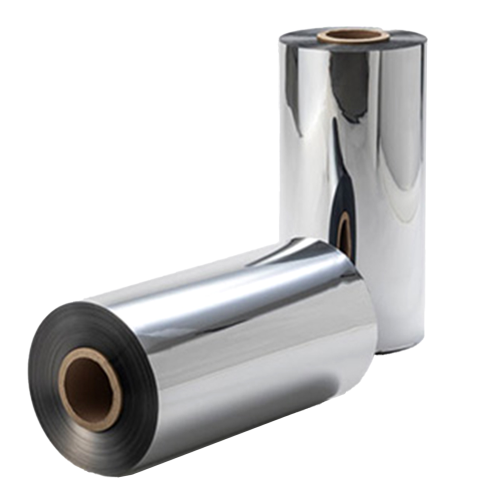
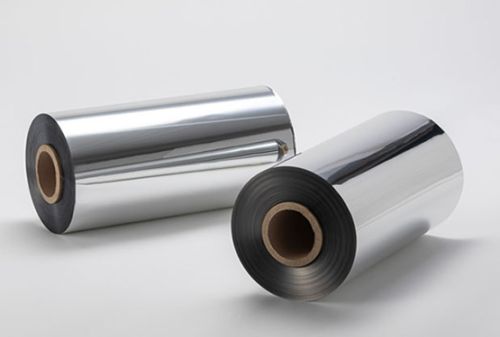
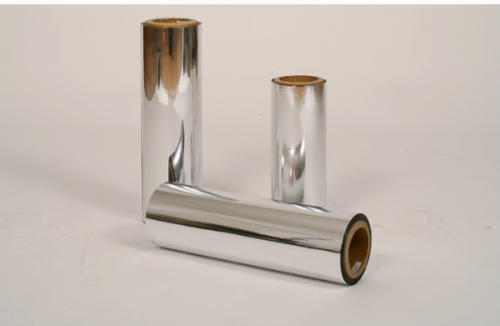
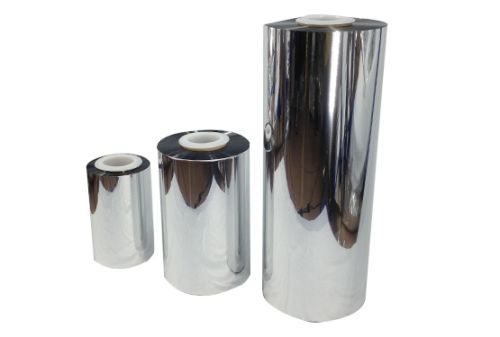
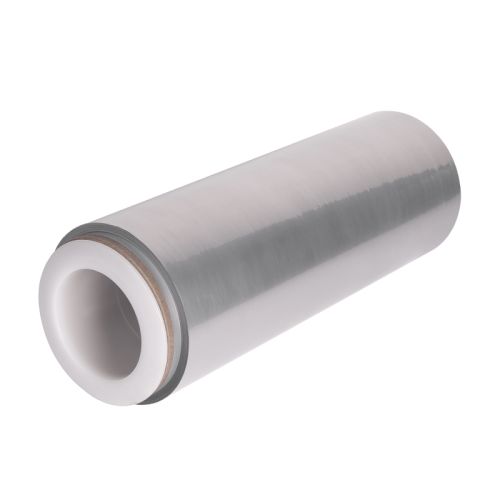
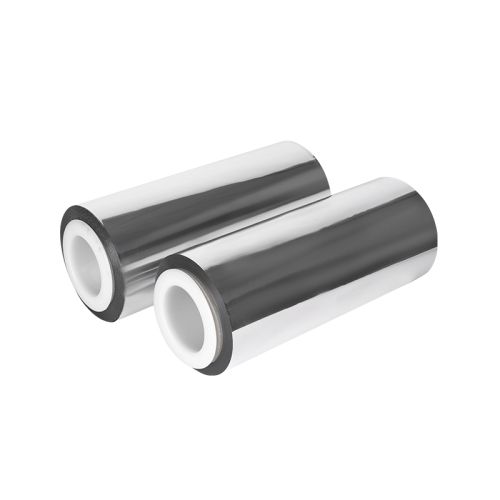
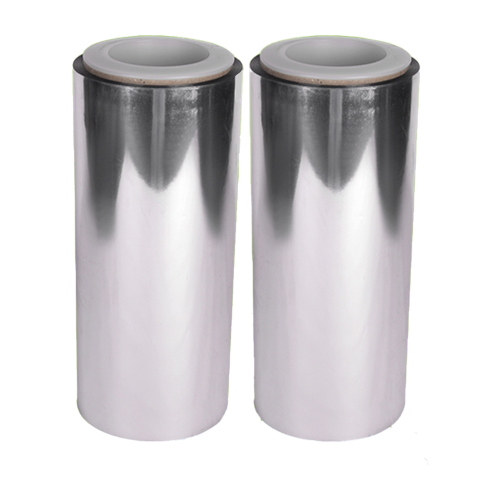
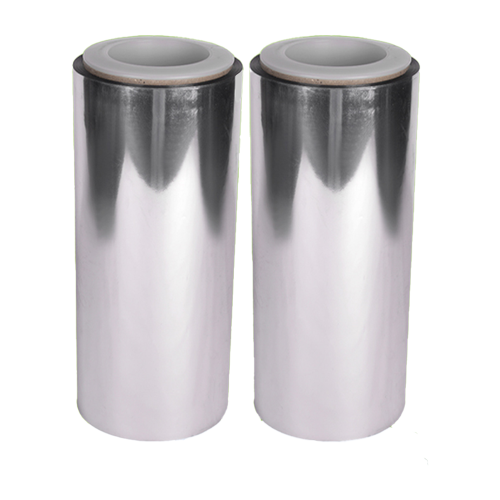
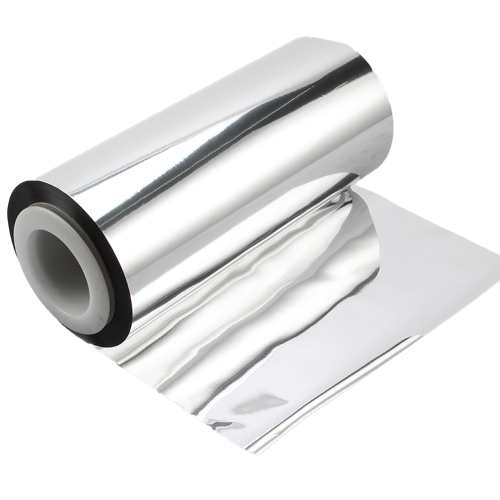
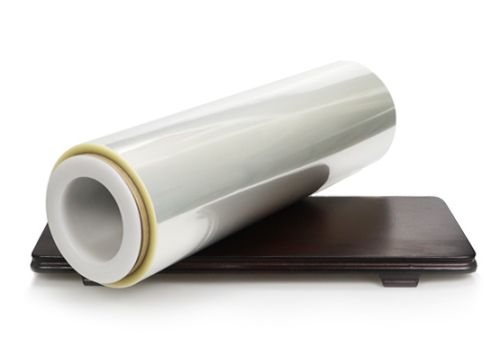
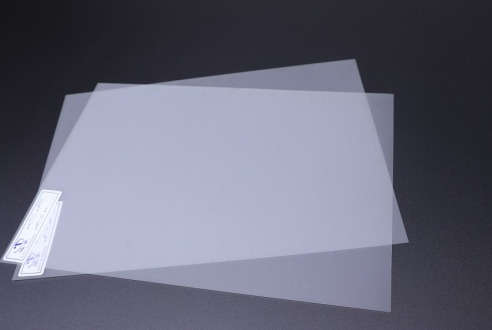
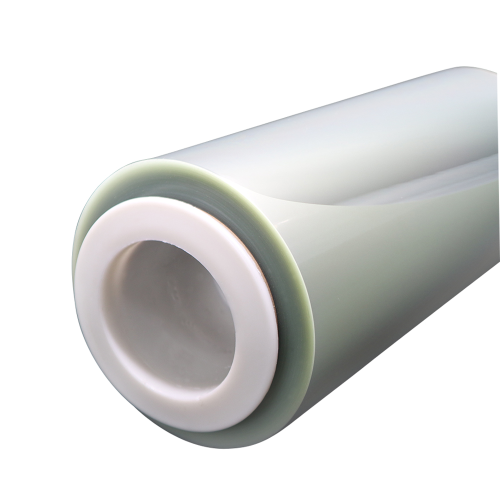
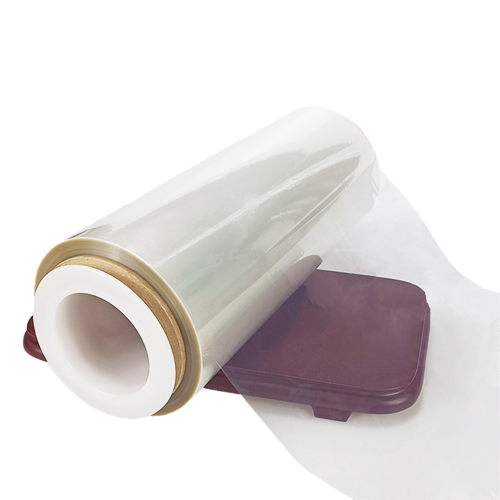
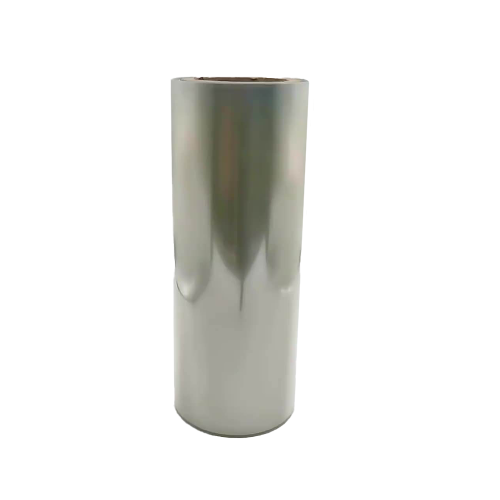
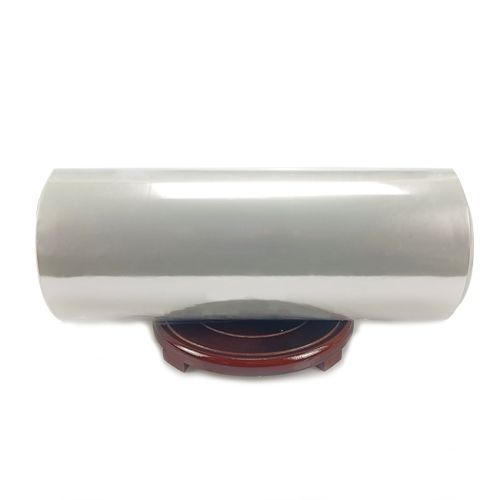
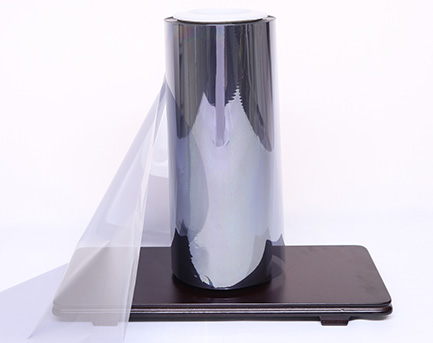
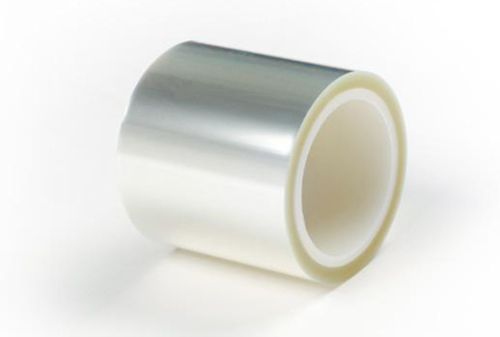
A transparent aluminum-oxide layer deposited on bopet, allowing the barrier web to remain visibly clear. Its value is best understood as a role in the overall design. The film must contribute the required function while remaining compatible with the adjacent layers, equipment and service environment.
The first supplier conversation should cover which side is treated, coated, metallized or intended for bonding; how rolls are wound and protected; what thickness and width tolerances apply; and which properties are controlled as specifications rather than typical values. Buyers should also ask how the supplier separates product grades. A family name can include several surfaces, thicknesses or performance levels. Ordering only by a generic product label increases the risk of receiving a technically different grade in a later shipment.
Review the exact grade on our PET AlOx product range page before comparing specifications.
Confirmed Technical Information and Its Limits
Cailong publishes light transmittance above 89% and aluminum-oxide layer adhesion above 3.0 N/15 mm for its PET AlOx film. The available product range also includes normal, high-barrier, protected, retortable and ultra-high-barrier grades. These figures and grade labels must still be matched to the exact order, test method, laminate and end-use condition.
Numbers are meaningful only with units, methods and conditions. For barrier film, temperature, relative humidity, sample preparation and whether the value belongs to the film or laminate matter. For mechanical or optical film, specimen direction, thickness and conditioning matter. For electrical film, electrode geometry, ramp rate, frequency, temperature and failure definition matter. A procurement document should reproduce those conditions and identify whether each figure is a guaranteed limit, a control target or a typical laboratory result. Where information is missing, the correct action is to request it, not to fill the gap with an industry average.
How the Material Fits the Structure
A practical starting laminate is a printing web / PET AlOx barrier web / CPP or PE sealant. Some projects may evaluate PET printing / PET AlOx / PE, while others can simplify the construction if print, seal and abuse requirements allow. The final structure must be validated with the selected ink and adhesive.
This structure discussion is important because a film cannot compensate for every weakness around it. Adhesive selection influences bond strength and heat resistance. Ink coverage can change optics or barrier stress. A sealant determines seal initiation, hot tack and leak resistance. A coating or hard coat affects scratch behavior and bondability. Tension, temperature and dwell time can change dimensional stability. The development team should map every interface and assign responsibility for each requirement. That makes troubleshooting faster when a trial fails and prevents unrelated properties from being blamed on the base film.
Additional qualification context is available through our PET AlOx validation article.
Comparison with the Traditional Route
Foil and VMPET block light and are familiar high-barrier choices, while PET AlOx keeps a transparent viewing path. EVOH and PVDC-based solutions can deliver useful barrier in appropriate structures, but humidity response, recycling objectives and end-of-life positioning may change the selection. PET AlOx is therefore an alternative to qualify, not a universal one-for-one replacement.
The comparison should use a weighted decision table rather than a universal ranking. Columns can include function, thickness, mass, transparency, temperature limit, adhesion, processing window, defect sensitivity, recycling design, supplier data quality and total converted cost. Weight each column according to the application. A food pack may prioritize barrier after flexing and seal integrity. An electrical component may prioritize weak-point control and thermal shrinkage. A display window may prioritize cosmetic defects and hard-coat adhesion. This approach makes the trade-off visible and gives purchasing and engineering a shared basis for approval.
Application Areas and Qualification Boundaries
Relevant applications include dry foods, snacks, confectionery, coffee windows, medical or electronic packs that need visual inspection, and selected microwave or retort concepts after grade-specific testing. These examples indicate where the material can be evaluated; they do not prove suitability for every product in the category. Each application adds its own boundary conditions. Food and medical packaging can involve migration and regulatory review. Automotive and electronics programs can require aging, flammability, optical and dimensional tests. Capacitor and insulation projects can require electrical endurance and traceable cleanliness controls.
Qualification should reproduce the most damaging combination of conditions, not only one stress at a time. Heat plus humidity, flexing plus barrier, forming plus coating, or winding plus thermal treatment may reveal interactions that separate tests miss. Keep an approved control sample and compare trial rolls against it under the same method.
For adjacent structures and end-use planning, review Food packaging applications.
A Practical Trial Plan
Start with a written baseline for the current construction. Record the film grade, thickness, width, treatment side, storage age, key process settings and finished-part results. Then change one important variable at a time. A trial should be large enough to expose roll profile, splice, tension and startup behavior; a few hand-cut sheets may be useful for screening but cannot represent production yield.
At incoming inspection, check identity, packaging condition, roll labels and certificate references. During conversion, record web tracking, wrinkles, static, dust, blocking, curl, tension response and any visible transfer or surface damage. After conversion, test the finished structure immediately and again after appropriate conditioning. Retain samples from the beginning, middle and end of the roll. If the first trial fails, classify the failure by interface and process stage before changing several parameters together.
What Buyers Should Request from a Supplier
A serious supplier review goes beyond a quotation. Request the current technical data sheet for the exact grade, a sample certificate of analysis, the controlled specification list, test methods, nominal and tolerance values, roll length and splice rules, core and winding details, storage conditions and shelf-life guidance. Ask which data are guaranteed and which are typical. Confirm how change control is communicated when the resin, coating, treatment or production route changes.
For a sample, provide the target structure or assembly, existing material, conversion process, service environment and acceptance tests. This allows the supplier to recommend a grade rather than send a convenient stock roll. Also define complaint traceability: roll number, production date, retained sample and response process. Consistency across shipments is often more valuable than an unusually strong result from one laboratory sample.
Cost Should Be Measured at Converted Yield
Price per kilogram or square meter is only one part of the decision. The more useful measure is cost per accepted package, wound element or finished component. A lower film price can be offset by slower line speed, additional inspection, higher scrap, extra coating, excessive thickness or field failures. A higher-performing grade may justify its price only when it removes a verified loss or enables a valuable design change.
Build the trial cost model from real quantities: usable roll area, startup scrap, conversion yield, inspection time, rejected finished parts, energy, adhesive or coating use, logistics and inventory. Do not claim a saving percentage before this model has been run on production data. This discipline keeps the technical article aligned with the buyer's actual question: will the material improve the complete manufacturing result?
Approval Checklist
Before release, confirm the exact product code and construction; verify thickness, width and roll tolerances; identify the functional and bonding sides; agree on test methods and conditioning; run the material through normal production equipment; test the completed structure after aging; review regulatory or industry requirements; document the approved process window; and retain a signed reference sample. Include a contingency plan for startup, splices and nonconforming rolls.
The final approval should be application-specific. A statement that the film is suitable for one customer, adhesive, machine and service condition should not be copied automatically to another project. Controlled qualification may take longer than a headline comparison, but it reduces the risk of material substitution creating a new failure elsewhere in the system.
Next Step
Discuss the project with our technical team for sample evaluation. If you are evaluating pet alox film for visible packs, send the current material structure or component drawing, target thickness, process conditions and required tests. Request the grade-specific technical data and a sample roll for controlled evaluation. The goal is not simply to identify a good film; it is to determine whether this material can solve the exact production or service problem in your project.