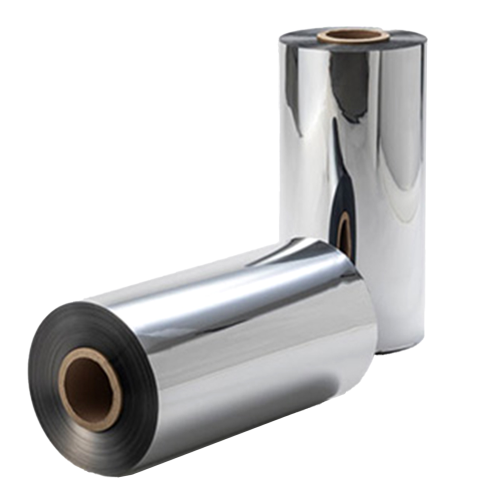
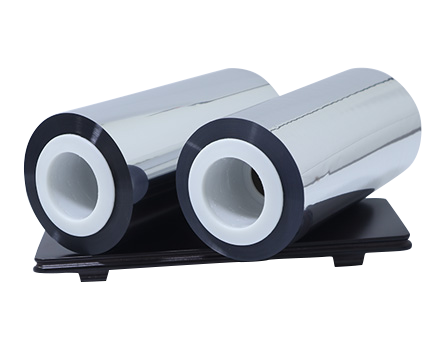
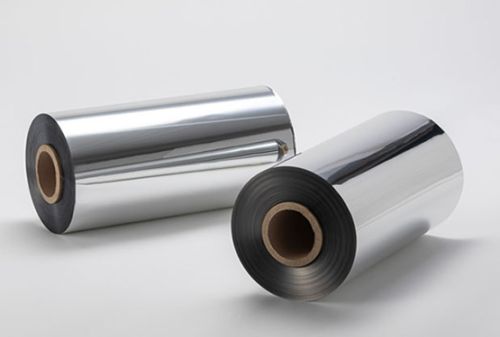
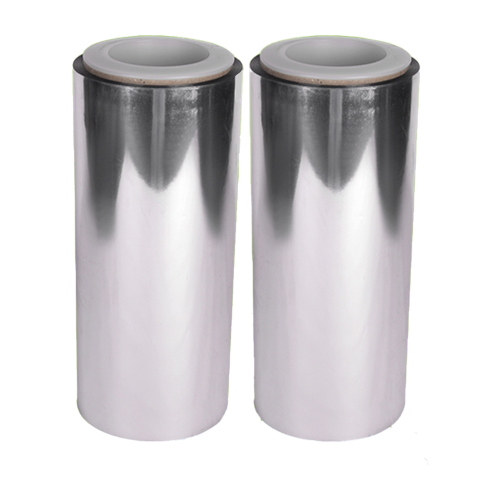
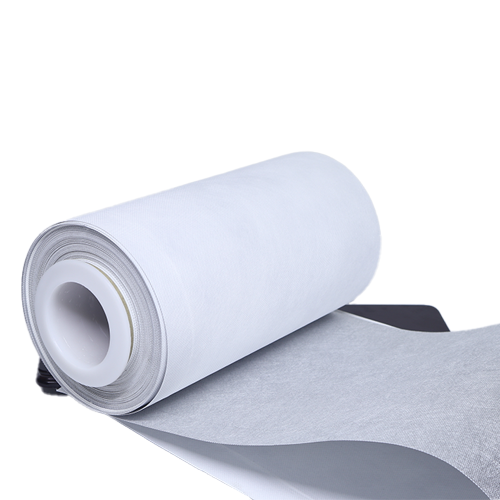
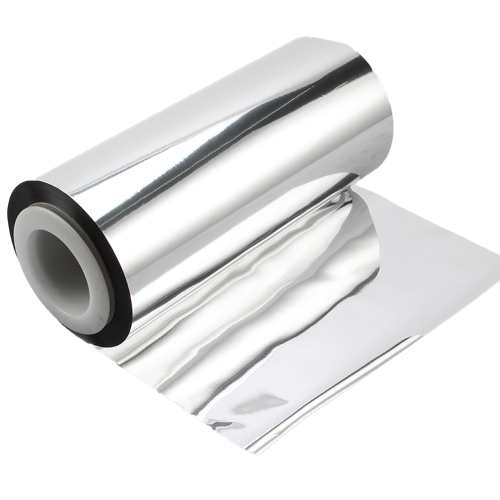
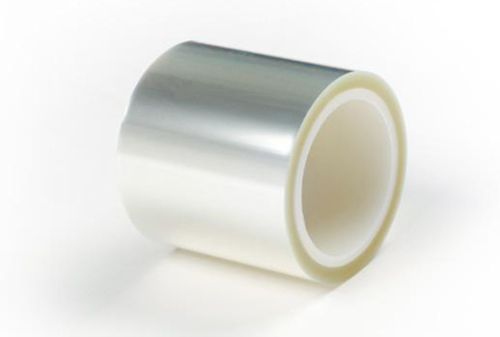
Electronic packaging and component protection often need controlled opacity, a clean black appearance, dimensional stability, and reliable printing or lamination. “Black film” is not a complete specification. Buyers must define whether the color comes from a black PET substrate or a coated construction, how much light must be blocked, which surface receives ink or adhesive, and what heat, humidity, or chemical exposure the finished part will face.
Start With the Construction
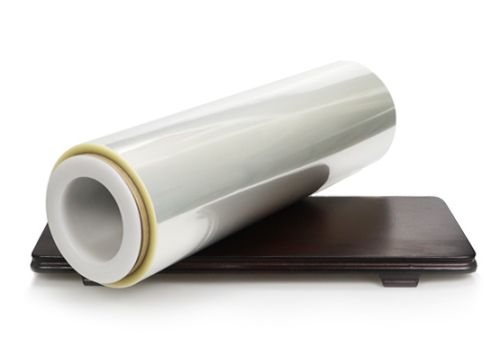
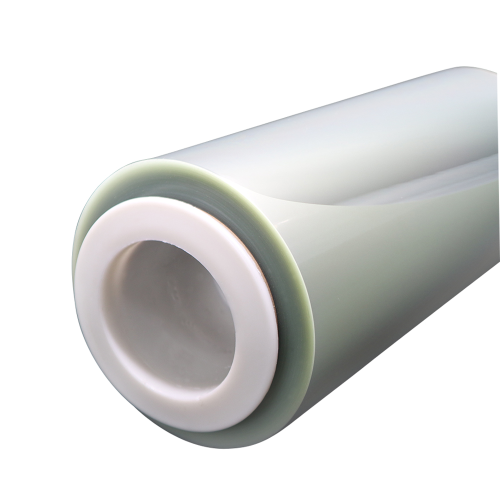
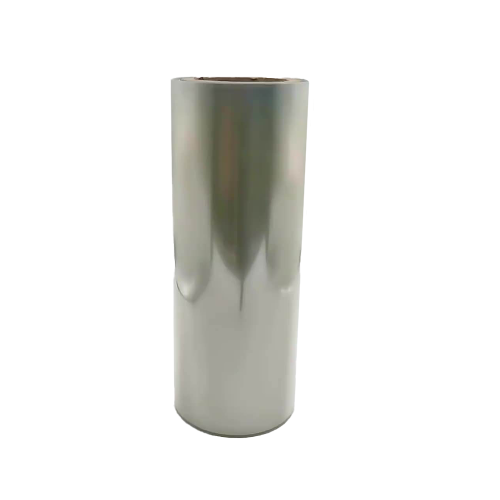
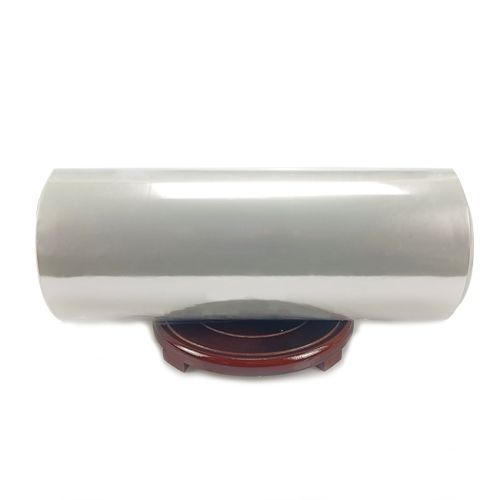
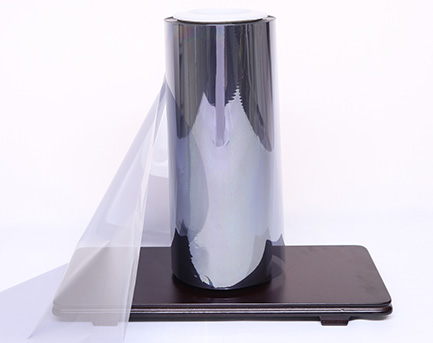
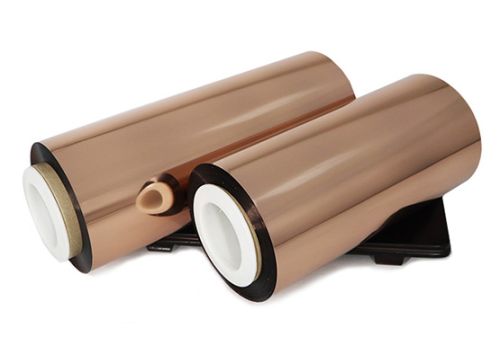
Cailong identifies two general routes: virgin black PET film and black coated PET film. The published product page states that black film shares the general handling properties of transparent PET and is used for protective film, decorative materials, labels, electronic packaging, architectural decoration, cosmetics, metal-product packaging, curtain composites, and heat-transfer printed ceilings.
A resin-colored film and a surface-coated film can behave differently during printing, abrasion, lamination, and edge cutting. The RFQ should name the required construction or ask the supplier to recommend one against a defined job.
Opacity and Appearance Requirements
Specify whether the critical property is visual blackness, optical density, light transmission, UV blocking, color coordinates, gloss, haze, or concealment of the component below. A film can look black under room lighting and still transmit at another wavelength. Electronic or optical uses may therefore need instrumented spectral testing.
Approve appearance under controlled lighting and against the final backing material. Adhesive, printed ink, metal, or an air gap can change the perceived color. Inspect both reflected and transmitted light and define allowable streaks, gels, scratches, pinholes, and roll-to-roll color variation.
Printing, Lamination, and Cleanliness
- Identify the printable or laminating side and confirm surface treatment before the trial.
- Use the actual ink, adhesive, coating, backing, line speed, tension, and cure conditions.
- Check ink adhesion, laminate peel, rub resistance, and appearance after full cure.
- Define particle, gel, scratch, and edge-quality criteria appropriate to the electronic component.
- Test dimensional change and curl after the real thermal and humidity exposure.
- Keep retained samples and link each converted lot to the incoming roll and process record.
Thermal and Dimensional Validation
PET is selected partly for dimensional control, but the required stability depends on thickness, processing history, temperature, restraint, and time. A heat-transfer, adhesive-cure, or electronics assembly process may expose the film to conditions very different from room-temperature inspection.
Measure shrinkage or dimensional change using the actual exposure profile and final part geometry. Check registration, curl, warpage, adhesive squeeze, and edge lift. Do not infer the behavior of a black coated grade from a general transparent PET data sheet.
Material Alternatives
Black polycarbonate can offer a different impact and forming balance. Black PI or PEEK films may be considered for more demanding temperature or insulation environments. Printed transparent PET may allow flexible graphics but introduces an ink layer and potentially lower opacity. The choice should follow the verified optical, mechanical, thermal, electrical, and converting requirements.
Procurement Controls
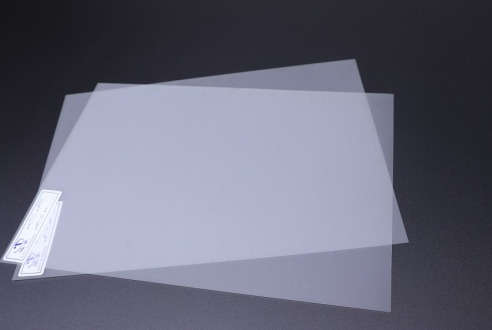
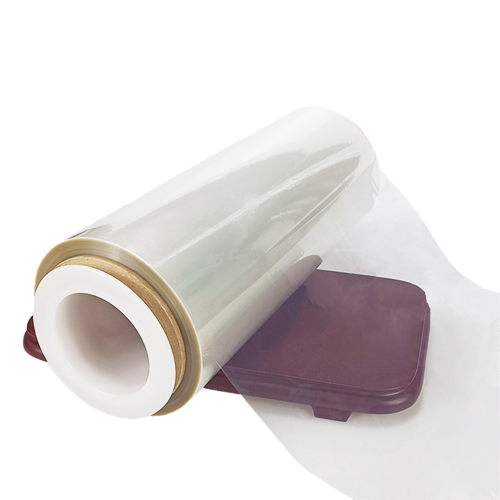
Request grade, construction, thickness, width, roll length, core, winding direction, splices, surface orientation, appearance limits, packaging, and storage guidance. Ask which properties are typical and which are guaranteed. A representative production-width roll is more useful than a small hand sheet when winding, cleanliness, or cross-web appearance matters.
FAQ
Is every black PET film light-blocking?
No. Define the wavelength range and transmission or optical-density target, then test the selected grade.
Can black coated PET be used like virgin black PET?
Not automatically. Coating adhesion, abrasion, solvents, printing, and lamination may differ.
Does a clean appearance guarantee electronic cleanliness?
No. Set appropriate particle, ionic, outgassing, and surface requirements when the application needs them; do not assume unreported values.
Conclusion
Production-Scale Approval
A hand sample cannot show cross-web color variation, roll winding, curl, static, or contamination behavior. Run a production-width trial on the actual printer, laminator, cutter, or forming equipment. Inspect startup, steady speed, roll joins, and the final roll section because defects can appear only after tension and temperature stabilize.
Create an approved master that records construction, appearance, surface orientation, and converted result. Use it with instrumented limits rather than visual memory. When the application is sensitive, confirm more than one lot and require documented review before changes to pigment, coating, PET resin, or manufacturing location.
Black PET film for electronic packaging should be specified by construction, optical target, surface, cleanliness, conversion, and service exposure. Review the verified Black PET Film page, then qualify the selected grade with the real ink, adhesive, backing, thermal cycle, and component requirements.
Related resource: product portfolio