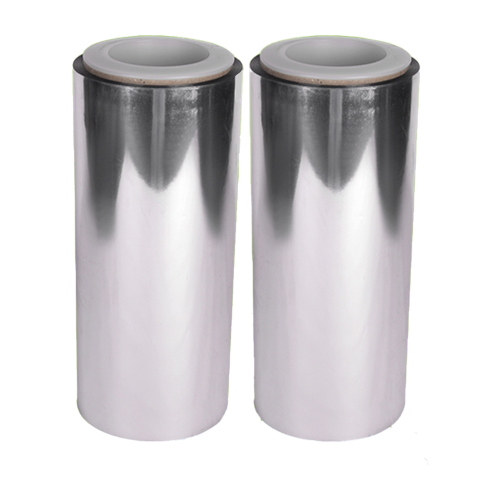
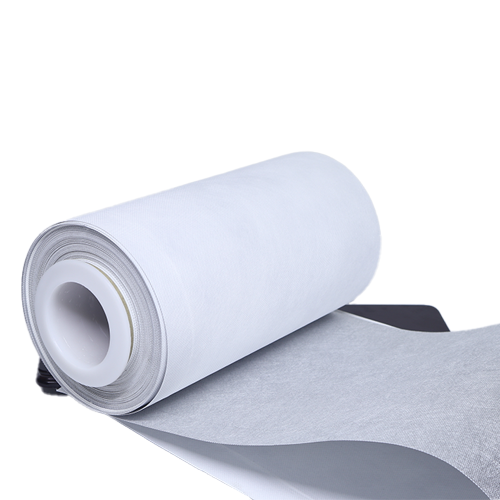
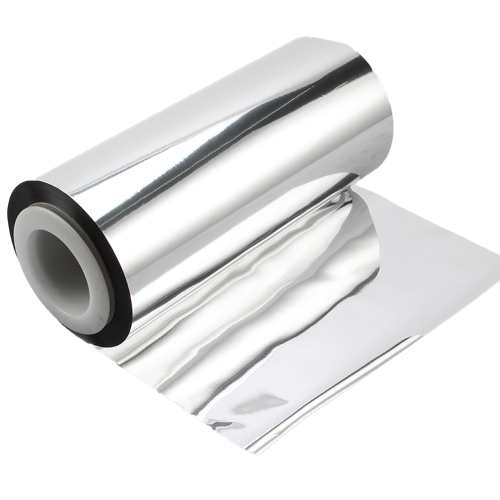
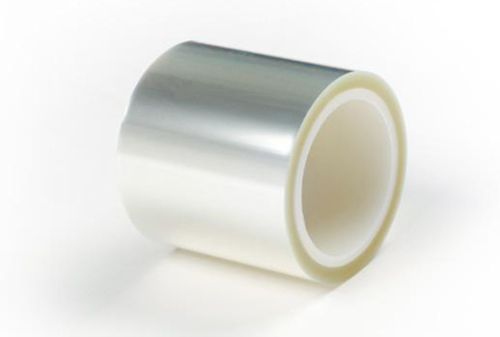
Tom Yum paste is not a neutral filling. Chili, herbs, citrus notes, spices, oil and other aromatic ingredients create a product whose color and characteristic smell matter to the buyer. Oxygen entering a pouch can contribute to oxidation and visible color change, while an inadequate aroma barrier can allow strong volatile notes to move from the product to the outside environment. Thai sauce producers evaluating PET AlOx Film therefore need a laminate specification based on oxygen, moisture, aroma, seals and actual shelf-life performance—not only a generic request for a high-barrier film.
Why Tom Yum sauce needs a dedicated barrier brief
The PET AlOx laminate structure guidance is a useful reference, but a Thai producer should first define whether the product is a concentrated paste, cooking sauce or single-use portion. Oil content, water activity, acidity, filling temperature and storage route influence what the package must control. The barrier brief should state the acceptable color change, aroma retention, external odor, package appearance and commercial shelf-life target.
For this tom yum sauce packaging in thailand project, document the proposed material, process settings, conditioning and acceptance limit before the trial. Keep retained samples so any change can be traced to film, conversion, filling or assembly rather than guessed after failure.
OTR, WVTR and aroma containment solve different risks
OTR describes oxygen transmission under stated conditions; WVTR describes water-vapor transmission. Neither value alone fully predicts the movement of complex aroma compounds. Procurement should request both barrier results with their methods and test conditions, then add an aroma-containment assessment using the real Tom Yum formulation and finished pouch.
The decision should be based on repeat production and the finished application. Supplier data are useful when the grade, method and conditions are stated; they should not be turned into an unsupported package, component or service-life guarantee.
Prevent oxidation-driven color change
Color is an immediate quality signal for a sauce buyer. Oxygen left in the headspace, entering through the laminate, or leaking through seals can contribute to oxidation during storage. Packaging improvement therefore combines a suitable oxygen barrier with controlled filling, low residual oxygen where required, dependable seals, and storage trials that measure color against an agreed reference.
For this tom yum sauce packaging in thailand project, document the proposed material, process settings, conditioning and acceptance limit before the trial. Keep retained samples so any change can be traced to film, conversion, filling or assembly rather than guessed after failure.
PET-AlOx//LLDPE as a transparent high-barrier option
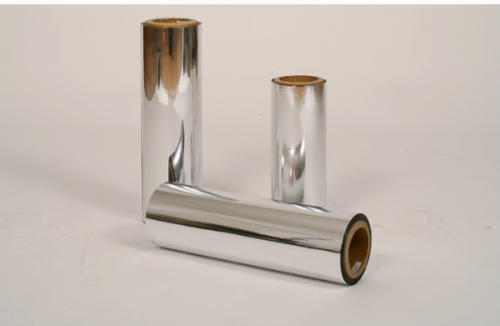
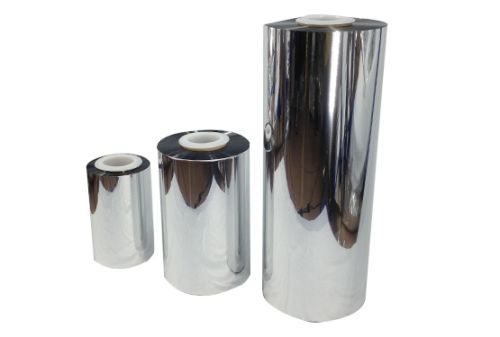
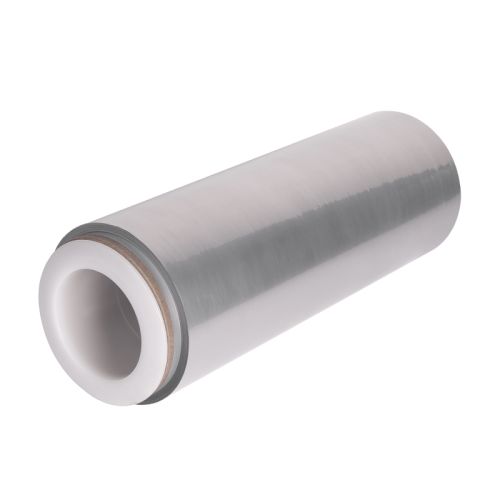
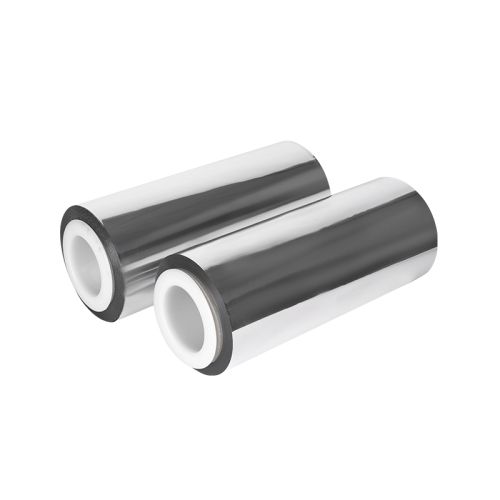
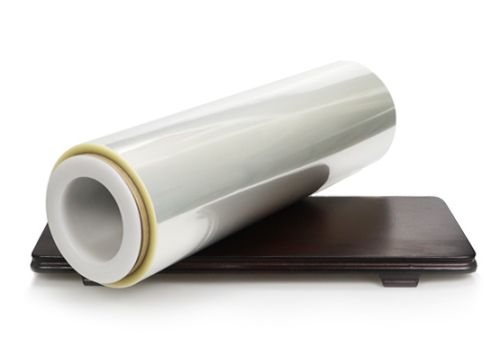
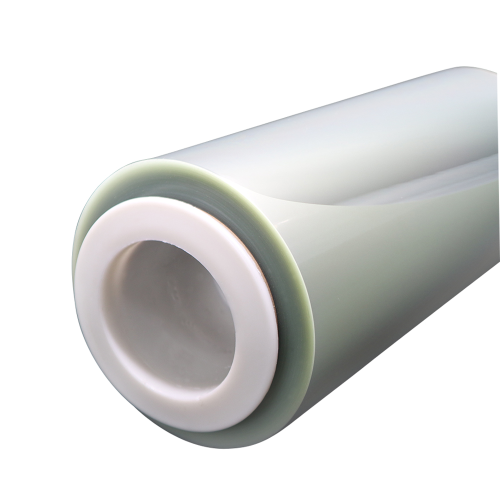
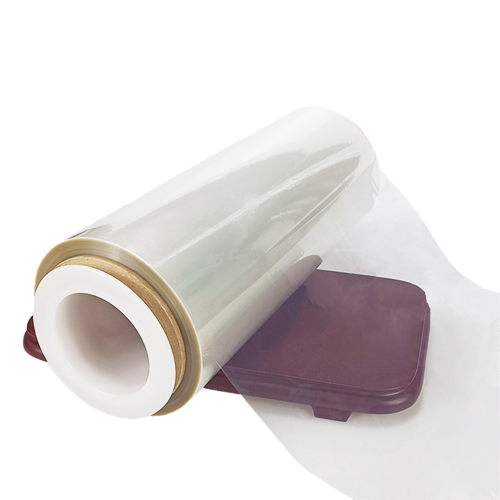
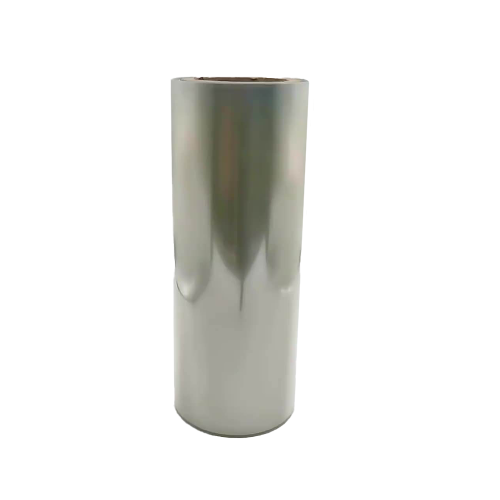
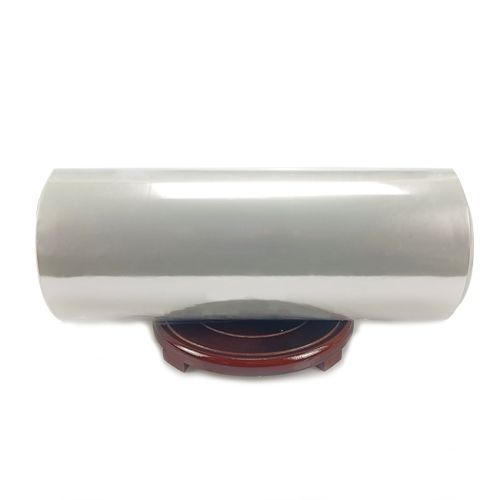
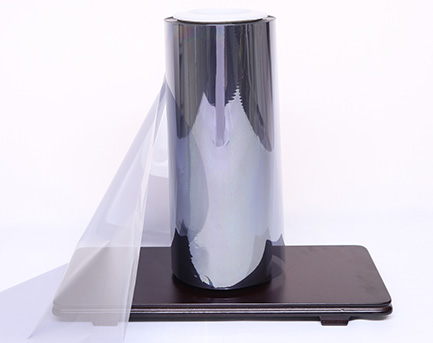
In PET-AlOx//LLDPE, the PET-AlOx web provides transparent barrier and a stable converting surface, while LLDPE supplies the product-contact and heat-seal function. This structure can support brand visibility and metal detection requirements where relevant, but the exact AlOx grade, adhesive, sealant thickness and filling conditions must be qualified before commercial use.
The decision should be based on repeat production and the finished application. Supplier data are useful when the grade, method and conditions are stated; they should not be turned into an unsupported package, component or service-life guarantee.
When BOPA-AlOx//LLDPE enters the discussion
BOPA-AlOx//LLDPE may be considered when the pouch also needs nylon-based toughness or puncture behavior. It is not automatically the better sauce structure. Moisture sensitivity, dimensional behavior, coating durability, cost and supplier availability should be compared with PET-AlOx//LLDPE using the same pouch geometry, adhesive, conditioning and filled-pack tests.
For this tom yum sauce packaging in thailand project, document the proposed material, process settings, conditioning and acceptance limit before the trial. Keep retained samples so any change can be traced to film, conversion, filling or assembly rather than guessed after failure.
Lamination and sealing can erase a barrier advantage
AlOx performance can change after tension, bending, adhesive cure and pouch forming. Sauce at the sealing area can also create channels. Test the incoming web, cured laminate and filled pouch separately. Seal-window trials should use the actual product, line speed and jaw conditions so a good flat-film barrier is not undermined by the package perimeter.
The decision should be based on repeat production and the finished application. Supplier data are useful when the grade, method and conditions are stated; they should not be turned into an unsupported package, component or service-life guarantee.
Build a Thailand-market shelf-life trial
Pack the commercial recipe on representative equipment and store it under the temperature and humidity conditions expected in Thailand and export distribution. Track color, aroma, external odor, seal integrity and package appearance at defined intervals. Only the food producer can set shelf life; film data can support material selection but cannot establish the final date by itself.
For this tom yum sauce packaging in thailand project, document the proposed material, process settings, conditioning and acceptance limit before the trial. Keep retained samples so any change can be traced to film, conversion, filling or assembly rather than guessed after failure.
What to specify before requesting samples
Give the supplier the sauce type, pack size, filling and sterilization process, laminate proposal, printing method, required barrier levels and test conditions. Confirm roll width, coated side, treatment, winding direction and adhesive compatibility. This turns a broad high-barrier inquiry into a trial that can answer a commercial packaging question.
The decision should be based on repeat production and the finished application. Supplier data are useful when the grade, method and conditions are stated; they should not be turned into an unsupported package, component or service-life guarantee.
Frequently Asked Questions
Can PET-AlOx//LLDPE stop Tom Yum aroma from escaping?
It can be evaluated as an aroma-barrier structure, but performance must be confirmed with the actual sauce, laminate, seals and storage conditions.
Is low OTR enough to prevent sauce discoloration?
No. Residual oxygen, seal leakage, light, temperature and formulation also influence color stability.
When might BOPA-AlOx//LLDPE be considered?
When toughness or puncture behavior is important, subject to coating durability, moisture, processing and finished-pouch validation.
Who should set the shelf-life claim?
The sauce producer should set it from product-specific shelf-life studies using the final package and distribution conditions.
Recommended Product and Next Step
Select a Thailand-focused sauce pouch by connecting OTR, WVTR, aroma containment, oxidation color change, seals, and shelf-life validation.
CTA: Send Cailong your Tom Yum sauce format, filling process, required OTR and WVTR, target shelf life, and preferred PET-AlOx//LLDPE or BOPA-AlOx//LLDPE structure to request barrier data and trial samples.