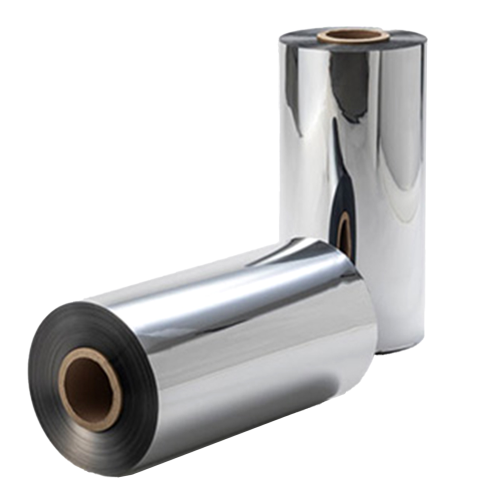
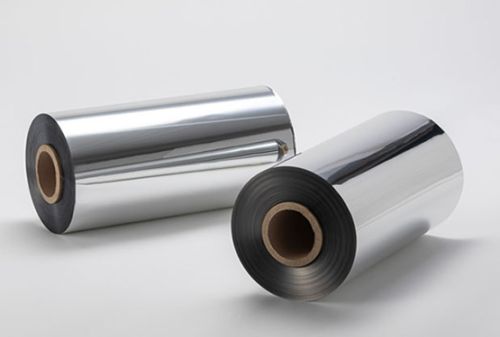
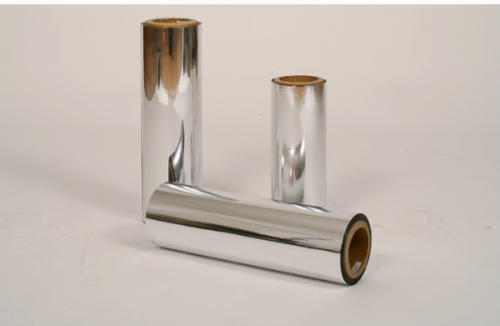
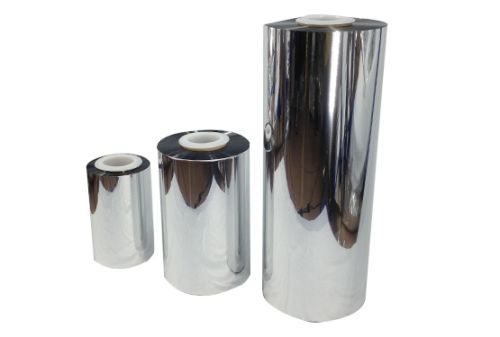
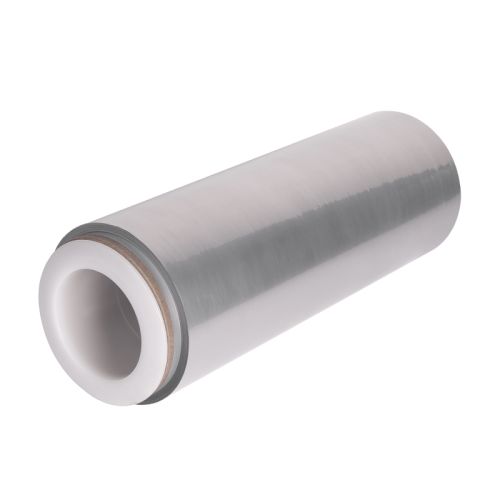
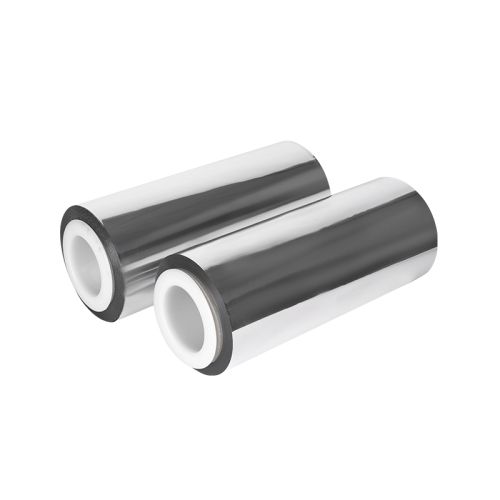
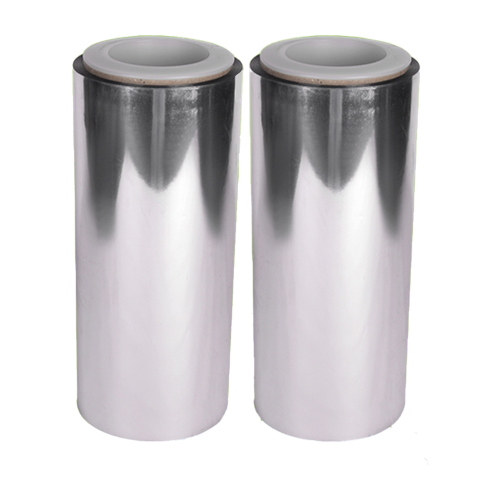
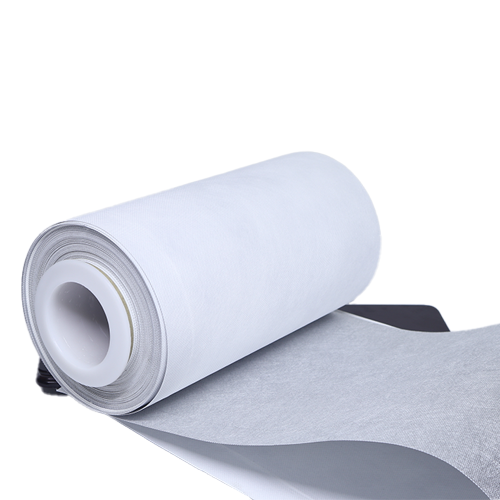
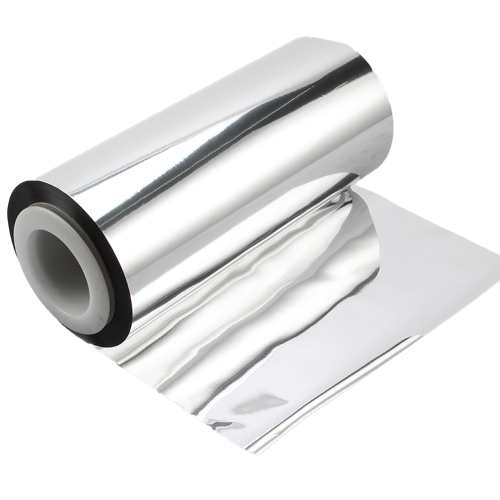
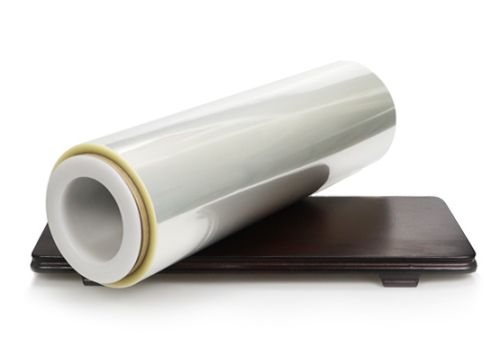
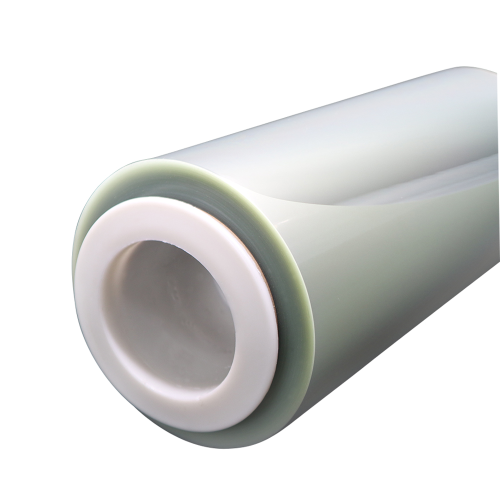
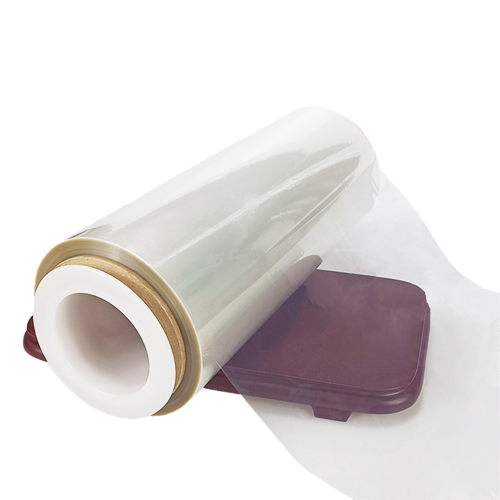
Frozen products, ice crystals and low-temperature handling can create punctures, brittle failures and broken seals during distribution. Buyers can review BOPE Metallized Film as a candidate and consult Cailong flexible packaging films near the start of the project. Selection still requires a clear customer application, compatible process and finished-frozen food pouches evidence.
Define product shape, frozen edges, fill weight,
Define product shape, frozen edges, fill weight, storage temperature, drop height and distribution route before choosing film.
Use representative equipment, materials and geometry. Record process settings and retain samples before and after the step. If a failure occurs, its location and mode should show whether the next action belongs to the film, interface, conversion process, package or assembly design.
Evaluate BOPE directional toughness, tear and stiffness
Evaluate BOPE directional toughness, tear and stiffness in the proposed structure rather than treating all oriented PE grades alike.
The supplier data should identify the grade, method and conditions. Compare equivalent results and avoid turning a laboratory value into an unsupported safety, shelf-life or service-life claim. The finished-product owner must approve the applicable standard, test plan and engineering margin.
Balance print web, barrier function and PE
Balance print web, barrier function and PE sealant roles so mono-PE goals do not hide sealing or cold-flex weaknesses.
Use representative equipment, materials and geometry. Record process settings and retain samples before and after the step. If a failure occurs, its location and mode should show whether the next action belongs to the film, interface, conversion process, package or assembly design.
Run printing and lamination trials with controlled
Run printing and lamination trials with controlled heat and tension because oriented PE behavior differs from PET-based structures.
The supplier data should identify the grade, method and conditions. Compare equivalent results and avoid turning a laboratory value into an unsupported safety, shelf-life or service-life claim. The finished-product owner must approve the applicable standard, test plan and engineering margin.
Develop the seal window at frozen-product packing
Develop the seal window at frozen-product packing speed and check contamination, hot tack, gussets and zipper flanges.
Use representative equipment, materials and geometry. Record process settings and retain samples before and after the step. If a failure occurs, its location and mode should show whether the next action belongs to the film, interface, conversion process, package or assembly design.
Condition filled pouches at the actual low
Condition filled pouches at the actual low temperature before drop, puncture, compression, vibration and leak testing.
The supplier data should identify the grade, method and conditions. Compare equivalent results and avoid turning a laboratory value into an unsupported safety, shelf-life or service-life claim. The finished-product owner must approve the applicable standard, test plan and engineering margin.
Confirm the complete pack against local recycling
Confirm the complete pack against local recycling guidance before making a mono-material or recyclable claim.
Use representative equipment, materials and geometry. Record process settings and retain samples before and after the step. If a failure occurs, its location and mode should show whether the next action belongs to the film, interface, conversion process, package or assembly design.
Commercial Trial and Procurement Record
Inspect cold-conditioned bags immediately after each mechanical test and again after recovery. Link the material lot to converting settings, inspection results and final performance. Production, quality, engineering and procurement should review the same record before approval. Confirm dimensions, winding or sheet format, packaging, storage, sampling and change-notification rules with the supplier.
Repeat the trial at realistic speed and scale. One carefully made prototype can hide normal variation in tension, temperature, contamination, tool wear or operator handling. Define acceptance criteria before testing, investigate borderline results, and approve the exact grade and construction that passed rather than a broad polymer family.
Decision Evidence for the Buyer
Build a side-by-side trial against the current material or structure. Keep product, part geometry, equipment, operator method and conditioning consistent. Record incoming quality, conversion speed, waste, defects and the finished-product result. A candidate should not be selected because one isolated property looks better while another required function, such as sealing, optical quality, winding stability or assembly fit, becomes harder to control.
Ask the supplier which values are typical, which are specification limits and which require grade-specific confirmation. Agree on sample identification, storage, handling and the time between conversion and testing. If the project proceeds, place the approved grade, thickness, surface and relevant process window in the purchasing specification. This prevents an unreviewed substitution from changing the result after the first successful trial.
Frequently Asked Questions
Can the film be approved from a data sheet?
No. Data screen a candidate; the converted frozen food pouches must pass relevant customer tests.
Should the thickest grade be selected?
No. Thickness must balance function, geometry, processing, yield and engineering margin.
Why are early internal links used?
They connect the application question to the supported product page without interrupting the decision path.
What belongs in a sample request?
Include application, structure or drawing, thickness, process, environment, failure concern and acceptance criteria.
Recommended Product and CTA
Support BOPE product ranking with a frozen-food use case centered on low-temperature filled-pouch toughness and PE structure design.
Review samples from more than one production position when practical, and keep photographs or measured results for critical defects. This provides a usable baseline for incoming inspection, supplier discussions and future process changes. It also prevents a visually acceptable sample from becoming the only approval evidence.
Before release, confirm consistent supply of the selected grade and document which material or process changes require revalidation.
CTA: Share product shape, bag weight, cold-chain temperature, current laminate and drop-test method to discuss BOPE structures and request samples.