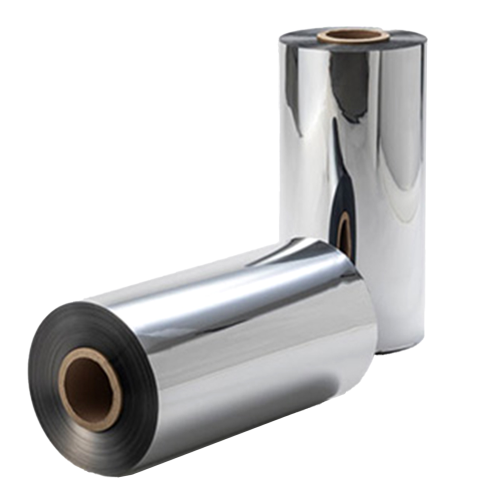
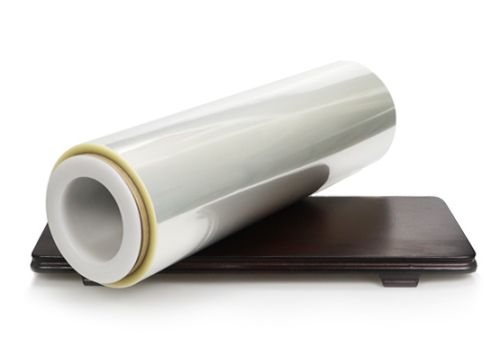
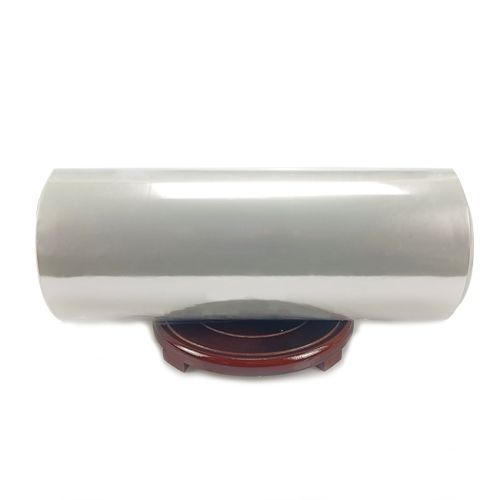
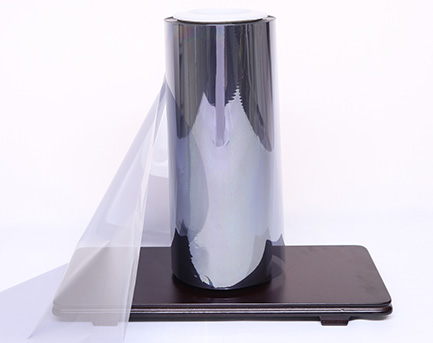
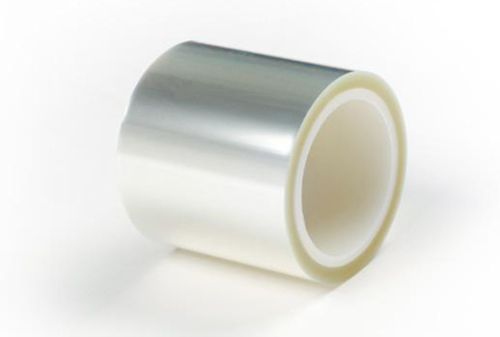
Ready-meal brands want visible products without losing the oxygen, moisture and aroma protection required after thermal processing.
Review the BOPP-SiOx-TZ Film page, the manufacturer website and the related product range early in the project. The final structure or component still requires customer validation.
Why transparent retort packs are difficult
A clear pouch can improve product visibility and consumer confidence, but retort heat and humidity stress coatings, adhesives, seals and printed appearance. Sauces, oils and particles may contaminate the seal area. The package must contain internal aromas while limiting oxygen entry and color change throughout storage.
How BOPP SiOx supports the concept
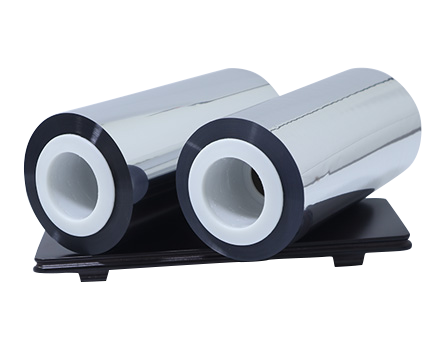
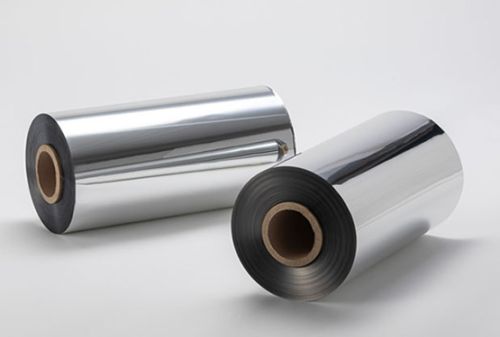
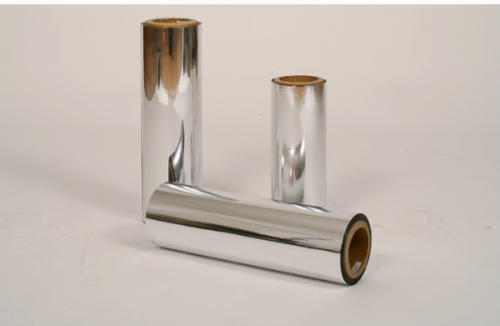
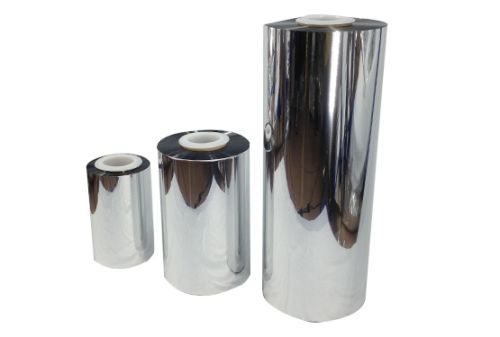
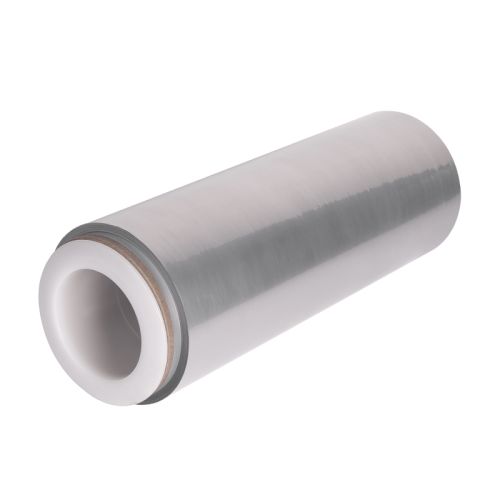
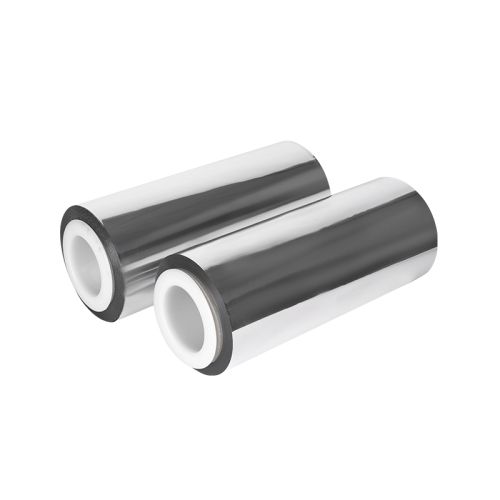
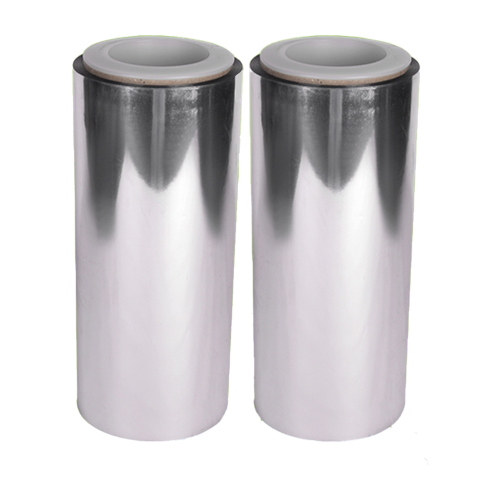
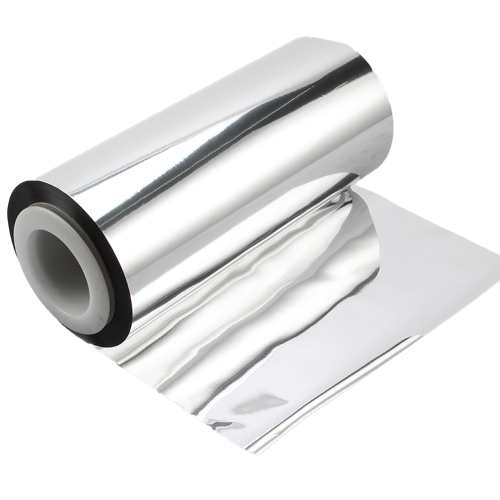
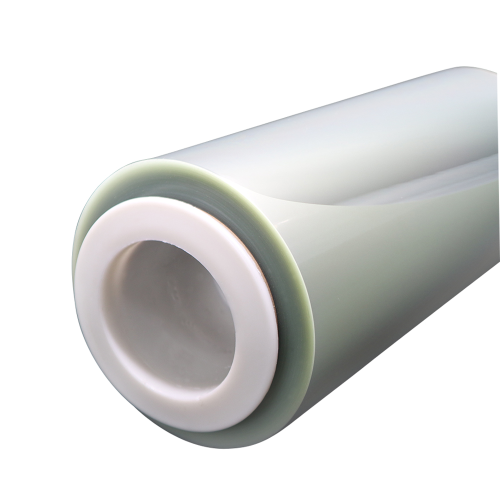
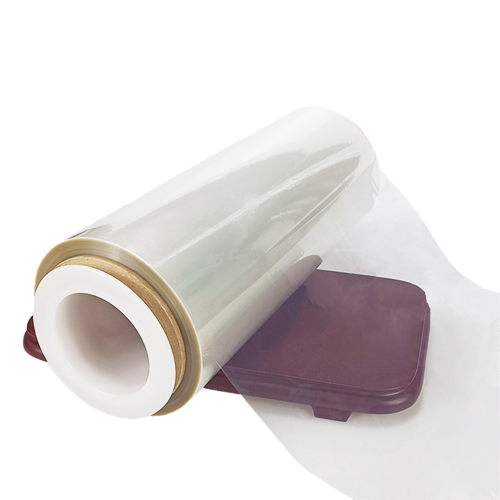
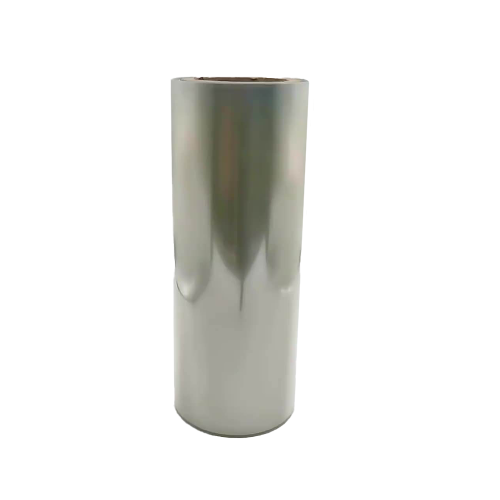
BOPP SiOx provides a transparent inorganic barrier on a PP film base. It is relevant when a brand wants a clear high-barrier layer and is considering a PP-oriented structure. The coating must remain intact during printing, lamination, pouch making and retort. Roll-level barrier data alone cannot approve the package.
Choose a complete PP-oriented structure
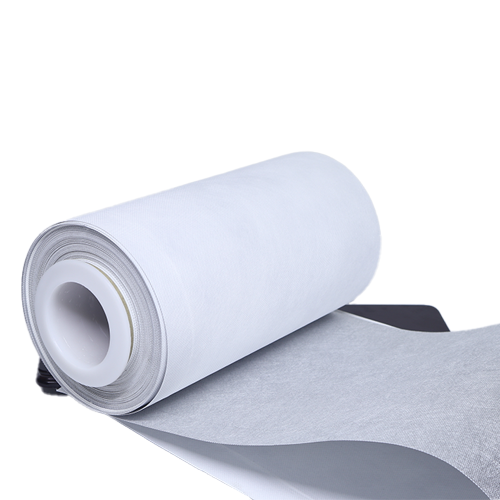
Combine the SiOx web with printing, mechanical and sealing layers selected for the food, pouch size and process. Confirm coating orientation, adhesive and sealant compatibility. A PP-oriented design may support a mono-material direction, but the complete package and local recycling guidance determine any environmental claim.
Validate after the actual retort cycle
Test OTR and WVTR on the converted laminate before and after the specified retort cycle. Inspect haze, bond strength, seals, curl and coating damage. Fill trial pouches with the actual meal and complete the brand owner’s shelf-life protocol, distribution testing and food-contact review.
Prepare a commercial sample request
Send the meal type, current structure, retort schedule, pouch dimensions, fill weight, target shelf life, desired transparency, annual volume and destination. State the launch date and whether the project replaces foil or introduces a new clear format. This lets the supplier prepare an appropriate trial and quotation.
How the customer should approve the material
Separate material screening, conversion trials, finished-product tests and commercial approval. Define conditions and acceptance criteria before comparing samples. Keep the current approved material as a control and process it beside the candidate whenever possible. Record grade, thickness, lot, orientation, machine settings and sample location.
Engineering should confirm function. Production should confirm a stable operating window and usable yield. Quality should define incoming checks, retained samples and nonconformance handling. Purchasing should confirm volume, lead time, packaging, logistics and change notification. Product management should approve appearance and any market claim.
Repeat critical measurements after printing, lamination, forming, sealing, sterilization, metallization or assembly when these steps can change performance. Test representative beginning, middle and later production samples. Do not invent values, certifications or life improvements. Use confirmed supplier data and assign final-product approval to the responsible owner.
Control the first production order
Approval does not end when a laboratory sample passes. Confirm that the first commercial roll or sheet lot uses the approved grade, thickness, surface and dimensions. Record incoming condition, packaging and identification. Run the material through the intended production equipment with the approved settings and retain samples from several positions. Review yield, appearance, functional tests and any operator adjustments before releasing the full lot.
Define how the buyer and supplier will handle changes and complaints. Agree which records, retained samples and test results are needed to investigate a concern. A fast corrective response depends on lot traceability and clear evidence from the customer process. Share forecast changes early, especially when special widths, long qualification cycles or dedicated converting steps affect supply planning. This protects the customer launch schedule and reduces the commercial and technical risk of emergency substitutions that have not completed complete customer validation.
From sample request to purchase order
Send the current material, required dimensions, annual volume, destination, project schedule and test plan. Explain why the material is changing and attach structures, drawings or failed samples when available. Request a project-specific sample, commercial terms and technical review rather than a general catalogue.
Agree on pilot quantity, decision date, production scale-up and open-risk owners. Evaluate total usable yield, qualification effort, downtime and supply reliability alongside unit price. Clear technical and commercial information helps the supplier distinguish an active sourcing project from early research.
Frequently asked questions
Can the product page approve the application?
No. It identifies the material option. The converted structure or assembled component must pass the customer’s process and end-use tests.
Should buyers request the highest available specification?
No. Define the real failure risk and required function first. Excess specification can add cost without improving the product.
What makes a comparison reliable?
Use matched conditions, a current control, representative samples and the same test method. Change one major variable at a time.
What information speeds up a quotation?
Provide application, dimensions, volume, destination, schedule, current material, required tests and any known problem.
Discuss your project
Contact the technical sales team with the application, current challenge and forecast demand. Ask for the film grade, sample format and evidence needed before production approval.