Vitamin gummies can absorb moisture, stick together, change color or lose flavor when the package does not control the full storage environment.
Start with the PET AlOx Film specification, compare the BOPP AlOx Film as a related material option, and review the manufacturer website. These internal links appear early so buyers can move directly between the application discussion and relevant product pages.
Why gummies challenge clear packaging
Gummy formulations differ in sugar system, acids, oils, active ingredients and surface treatment. Their moisture response can change texture and appearance. A transparent package improves product visibility, but light exposure may matter for some actives or colors. Define the dominant product risk before selecting a clear barrier web.
Where PET AlOx fits
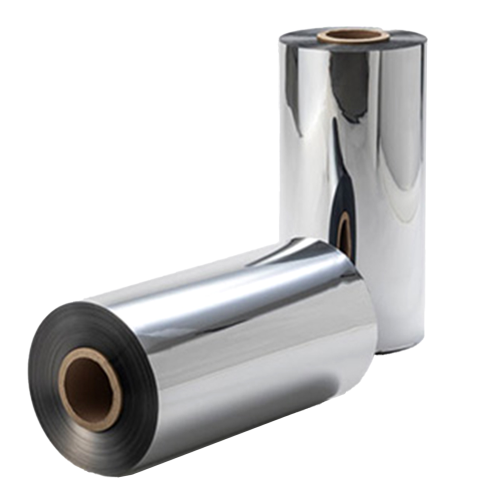
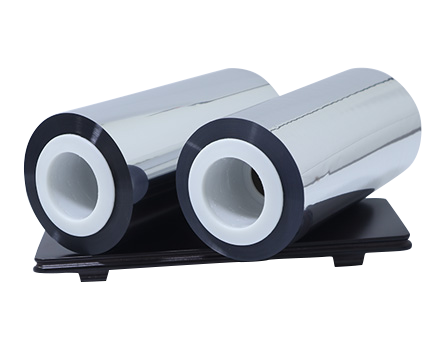
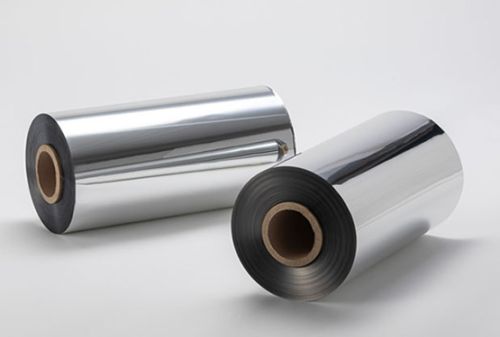
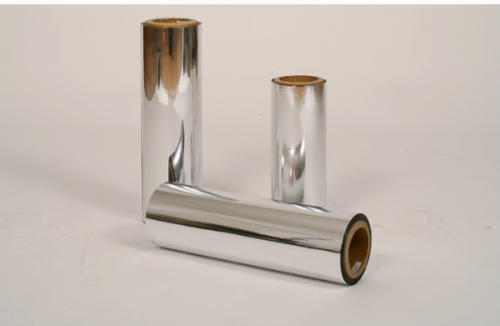
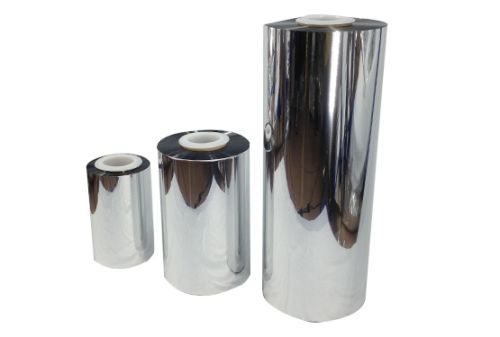
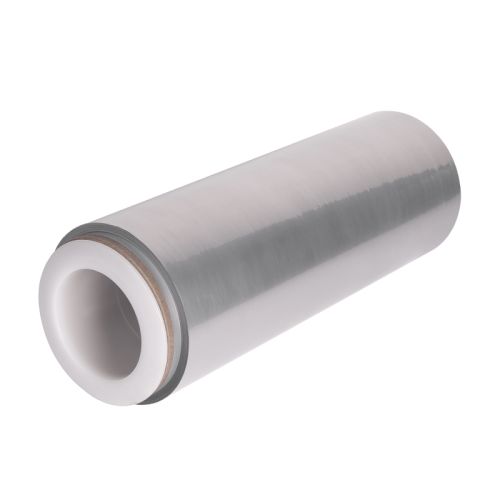
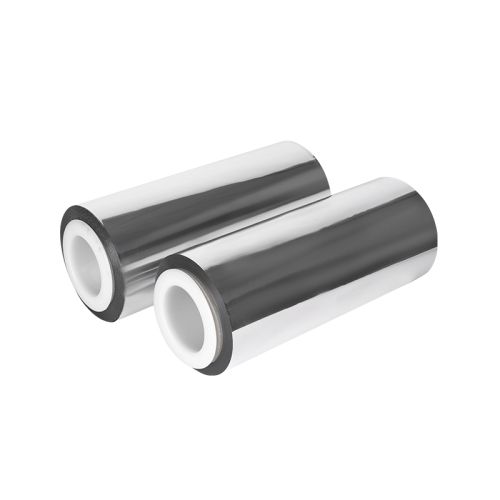
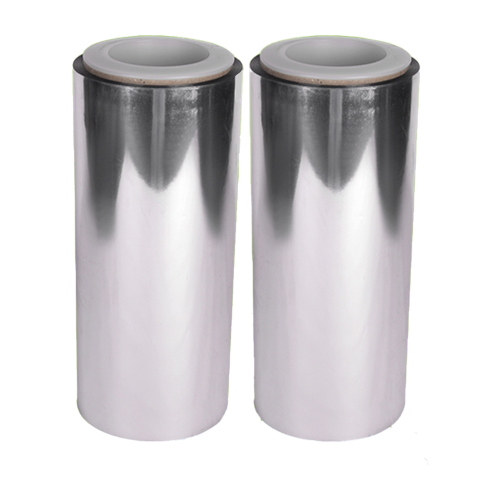
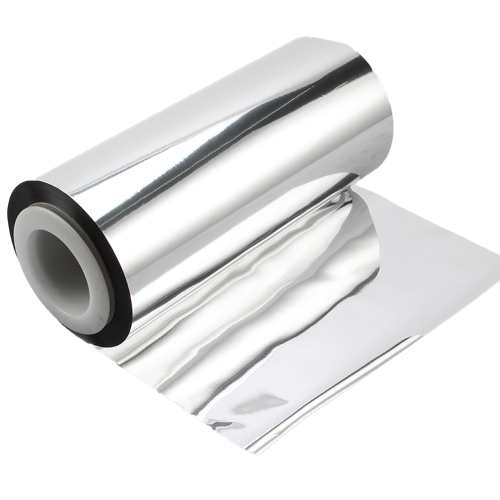
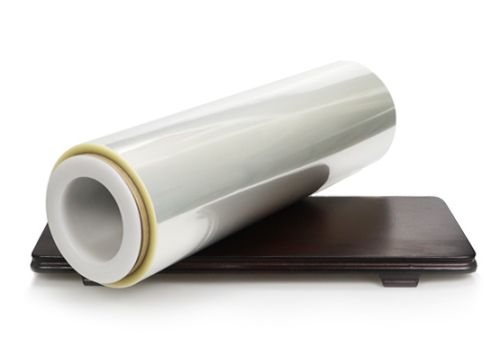
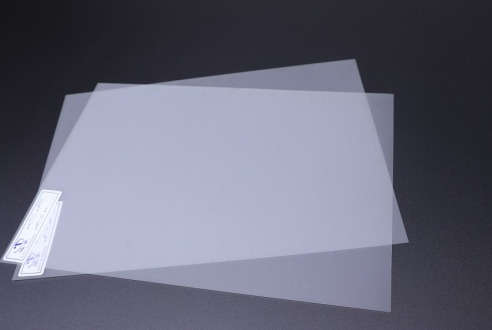
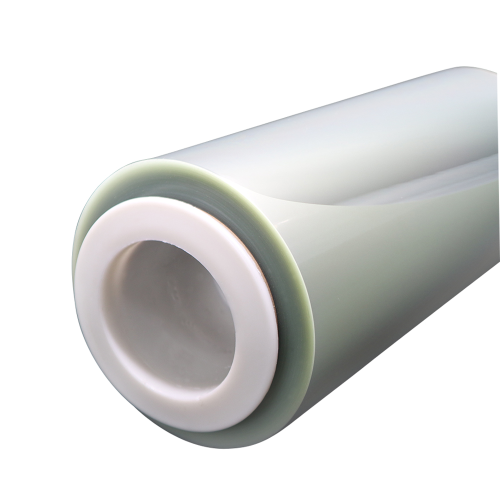
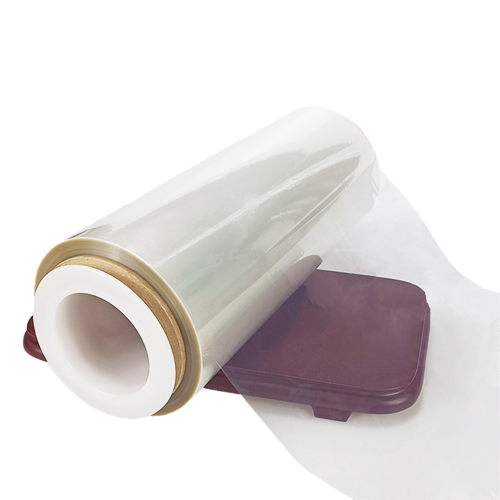
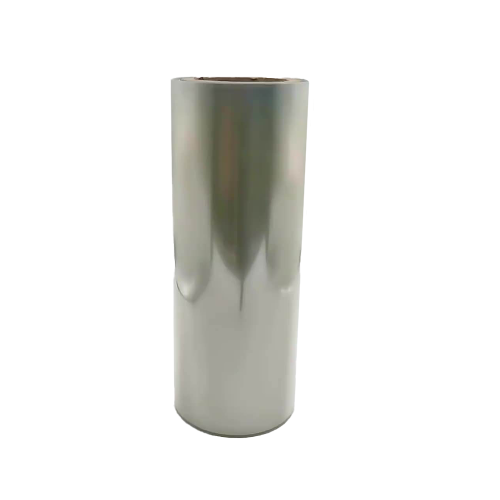
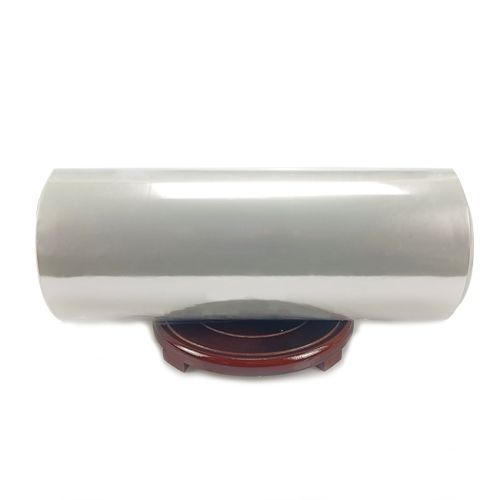
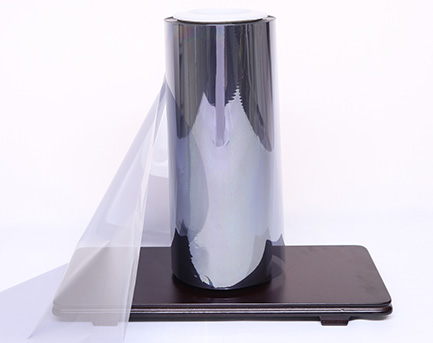
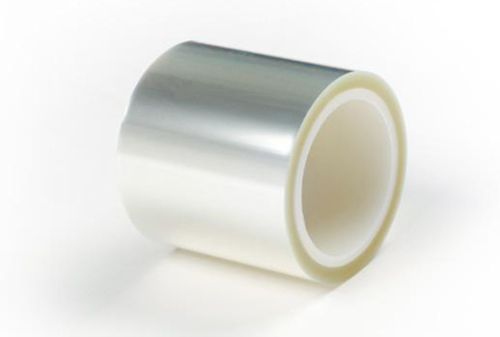
PET AlOx provides a transparent oxide-coated PET barrier layer. It can be evaluated where a brand wants visibility without returning to an opaque foil or conventional metallized film. The coating must survive printing, lamination, pouch making and repeated handling. Barrier data from untouched film does not represent every finished pouch.
Choose the pouch around consumer use
A zipper pouch is opened many times, so the seal, closure and consumer headspace affect performance after opening. Select a compatible sealant and confirm zipper attachment, tear behavior and pouch stiffness. Consider package size and expected consumption period instead of relying only on unopened shelf-life targets.
Prove shelf life with the real formulation
Use the actual gummy formulation, fill weight and headspace control. Compare the current package and trial under the same storage conditions. Monitor texture, sticking, color, flavor, active stability where required, seals and appearance. Repeat barrier measurements after lamination and pouch flexing.
Build a useful sourcing brief
Send the formulation category, current laminate, pouch dimensions, zipper type, target shelf life, light sensitivity, transparency requirement, annual demand and destination. State whether the project is a new launch or a material replacement. Ask for a sample suitable for the intended converter.
Evidence needed before approval
Define test conditions, sample preparation and acceptance criteria before comparing materials. Distinguish base-film data from converted-structure and finished-product results. Repeat important tests after printing, lamination, forming, sealing, sterilization, metallization or assembly when these processes can change performance. Keep the current approved construction as a control.
Record grade, thickness, lot, surface orientation, machine settings and sample location. Engineering should confirm function. Production should confirm the operating window and usable yield. Quality should define incoming checks and nonconformance handling. Purchasing should confirm volume, lead time, packaging, logistics and change notification.
Control the first production order
Verify that commercial material uses the approved grade and dimensions. Run it with the agreed production settings and retain samples from the beginning, middle and end. Review yield, appearance, functional tests and operator adjustments before releasing the full lot. Clear traceability supports complaints, repeat orders and future changes.
Do not invent values, certifications or shelf-life improvements. Use confirmed supplier information and assign final-package or assembled-component approval to the responsible owner. Evaluate total conversion yield, qualification effort, downtime and supply reliability alongside unit price.
Make the trial commercially meaningful
A laboratory coupon can confirm basic compatibility, but it does not show how the material behaves at normal machine speed or in production geometry. Plan a staged trial with clear decision gates. First confirm film identity and handling. Next run the intended printing, lamination, forming, sealing or metallization step. Then test finished packages or components under realistic use conditions. Record all changes from the approved control.
Include purchasing and production teams before the final trial. Confirm usable width, trim loss, roll or sheet dimensions, minimum order, lead time, packing and storage. Estimate cost from usable output rather than only price per kilogram. A material that requires unstable settings or produces excessive waste may cost more even when its quoted unit price is lower. Document the responsible owner and completion date for every remaining technical, quality and commercial action before approving repeat production. Review those open items again during the first full-scale manufacturing order and retain the final evidence with the approved specification.
Request a sample and quotation
Send the current material, application, required dimensions, annual demand, destination, project schedule and test plan. Explain the reason for changing material and attach drawings, structures or failed samples when available. Ask for a project-specific sample and technical review.
Frequently asked questions
Can product-page data approve the application?
No. It supports screening. The converted package or component must pass the customer’s own process and end-use tests.
Why include a related product page?
It helps buyers compare another material route when transparency, substrate family, adhesion, temperature or mechanical requirements change.
How should two samples be compared?
Use matched conditions, a current control, representative samples and the same test method. Change one important variable at a time.
What speeds up a quotation?
Provide application, structure or drawing, thickness, width, volume, destination, schedule and required validation.
Discuss your project
Contact the technical sales team with the application, current challenge and expected demand. Request the appropriate film grade, sample format and evidence required before production approval.