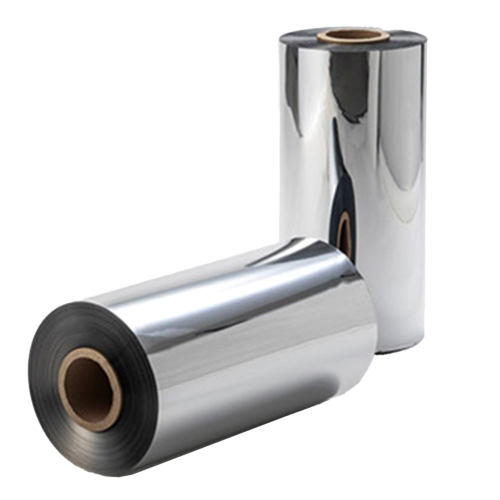
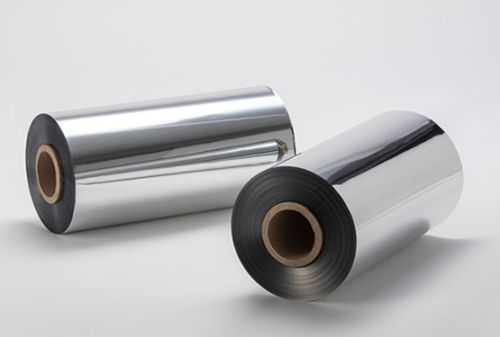
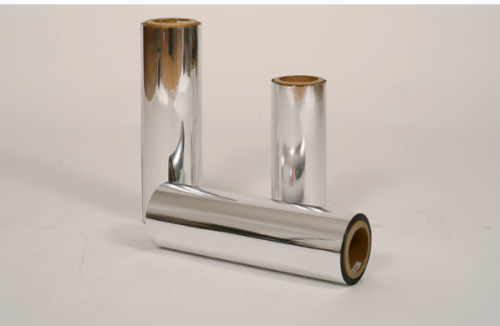
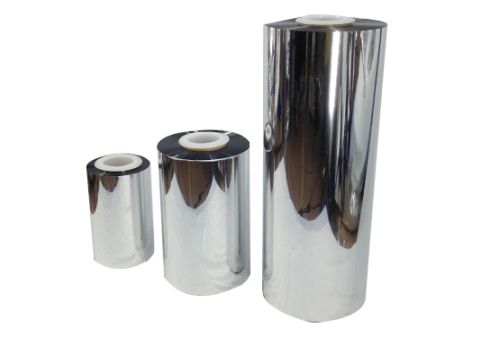
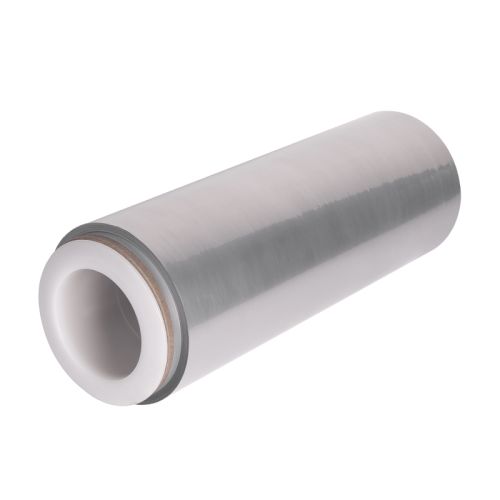
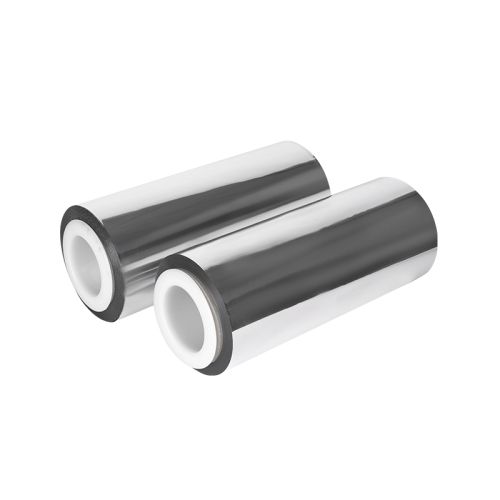
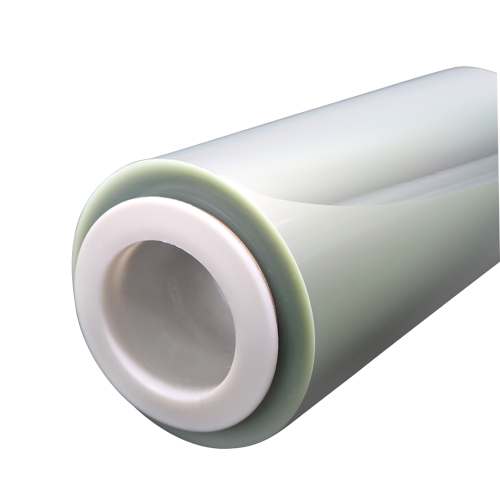
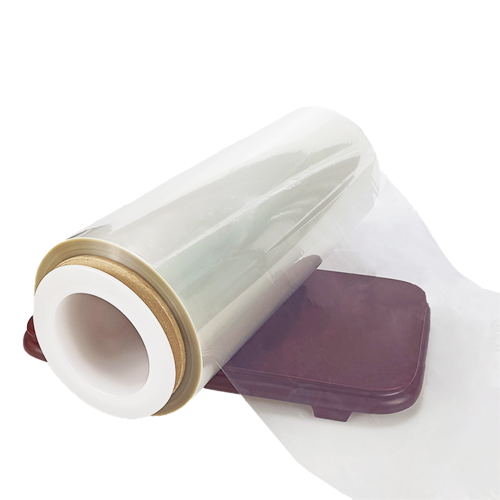
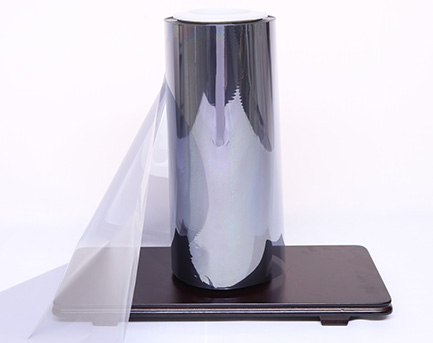
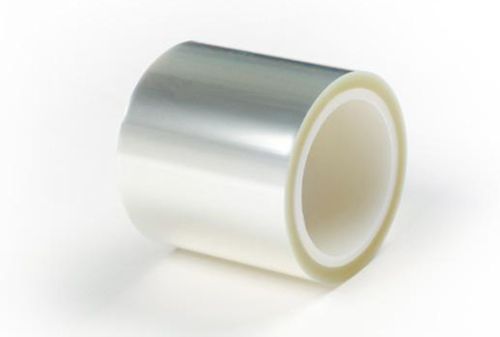
PET AlOx Film can enter a pasta sauce pouch project when a brand wants the sauce visible rather than hidden behind an opaque barrier. The pack still needs to protect the recipe, tolerate its specified heat process and remain closed around a viscous filling. A change to transparent material should therefore start with the sauce and processing route, not with the appearance of an empty film sample.
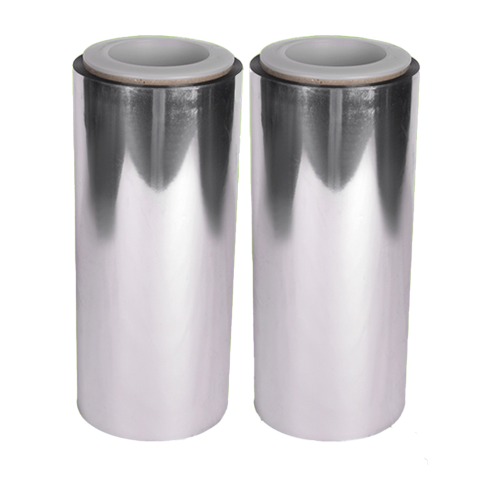
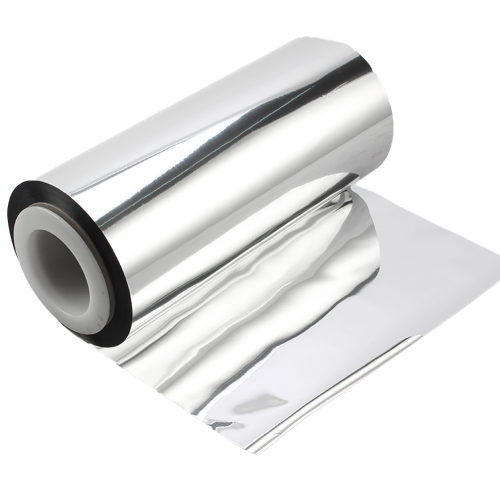
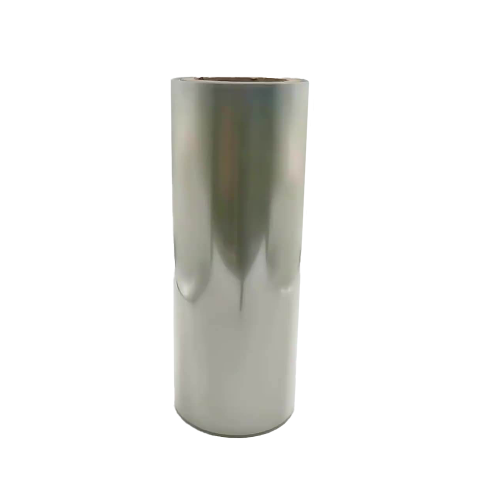
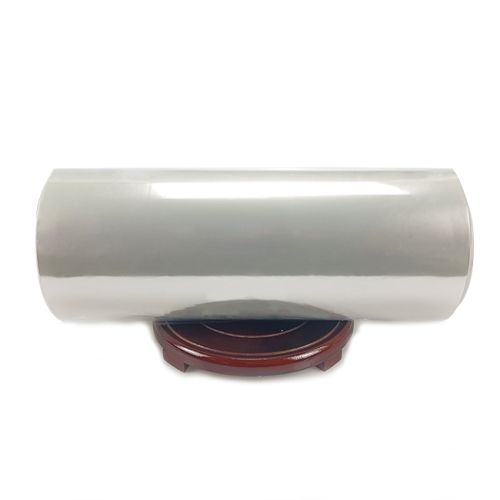
Cailong, an AlOx Film Supplier, identifies PET-AlOx-DTZ as a printable, retortable transparent barrier grade. Its product range distinguishes retortable grades from other PET AlOx constructions. This provides a relevant starting point for heat-processed sauce packaging, but it does not approve a particular recipe, pouch or sterilization program. The food processor and converter must qualify the complete package against their defined requirements.
Describe the sauce before selecting the pouch
A smooth tomato-based sauce, a sauce containing visible pieces and a recipe with a separate oil phase can place different demands on filling and product contact. Identify the actual formulation and the portion format in the material request. The film supplier does not need an invented generic shelf-life target; it needs the quality changes the processor wants the package to control, such as appearance or aroma.
Retain the current sauce package as the reference where one is available. If it uses foil, document what that structure currently supplies: opacity, barrier, support and sealing behavior. Transparency removes at least one of those features. Compare the proposed pack under the intended display conditions instead of assuming that oxygen protection and light protection are the same function.
PET AlOx Film belongs inside a defined heat-process structure
One possible laminate for evaluation is printed PET / adhesive / PET-AlOx-DTZ / adhesive / a process-compatible sealant. The outside web carries decoration, the oxide-coated PET contributes transparent barrier, and the inside layer provides product contact and closure. If RCPP is proposed for a retort route, the converter and sealant supplier should confirm its suitability. The example is not an already validated Cailong sauce construction.
Use the heat program established by the processor for the recipe and package. Film grade names cannot determine food-process safety. Provide the converter with the relevant heating, holding, cooling and pressure history so that the adhesive, sealant and any added fitment are assessed together. Do not apply a convenient laboratory exposure and present it as approval of the processor's actual production program.
Viscous filling changes the closure challenge
Observe where the sauce goes as the pouch is filled and moved to sealing. Material smeared near a top closure, a piece trapped across the sealing area and a folded wall are different conditions. Keep their locations in the sample record. A high-barrier panel will not correct a channel through a contaminated closure, so the filling clearance and inside sealing surface need their own selection.
For a spouted format, include the actual fitment and its attachment area in the drawing. For a tear-open pouch, include the opening feature and the space needed to pour the sauce. The closure system should match the format consumers receive. Neither a spout nor a tear feature should be treated as a minor addition after the flat laminate has already been approved.
Use the filled shape during the heat trial
Sauce quantity and headspace affect the pouch's shape through the declared process. Inspect the actual portion with the chosen gussets, seals and support arrangement. A flat strip does not reproduce the strain near a folded corner or fitment. Record where any distortion, bond change or closure issue first appears so that the next trial addresses its location rather than changing every layer without a clear reason.
Review made packs after cooling and after the normal handling that follows processing. The panel may look acceptable at one stage yet develop a visible crease or interface defect later. Keep specimens from before and after the identified step. A stronger initial bond or a better-looking unprocessed window does not establish how the finished sauce pouch performs after its complete route.
Match barrier and visibility to the recipe
Request grade-specific OTR and WVTR under the conditions required for comparison, including relevant results after conversion or processing. Identify whether each specimen is bare film or a laminate. Do not convert those reports directly into a shelf-life improvement claim. The processor's sauce-quality assessment must remain connected to the filled construction being considered.
A clear panel can reveal oil contact, product residue, droplets and changes in sauce appearance that were not visible through the old opaque pack. Decide which observations are acceptable at retail and which signal a problem requiring investigation. If the brand only needs a limited viewing area, compare that design with a fully transparent front rather than treating maximum visibility as the only commercial objective.
Opening and reheating are separate application decisions
Define how the consumer uses the portion: pouring into a pan, emptying onto food or another specified route. The pouch should release the sauce without an uncontrolled tear or difficult grip. If heating in the package is intended, qualify that use separately with the processor's complete construction and instructions. A transparent oxide-coated web does not approve every fitment, sealant or decorated pack for consumer heating.
Assess opening on the processed filled pack, not only on freshly made empty pouches. Product contact and the processing history can make the relevant specimen different from the original opening sample. Keep usability, closure integrity and barrier as distinct acceptance criteria so that a change made for one function does not silently compromise another.
For a PET-AlOx-DTZ discussion with Cailong, provide the sauce format, current laminate, fill quantity and proposed pouch or fitment drawing. Include the processor's declared heat route, viewing-area requirement and product-quality criteria. This defines a trial in which the transparent barrier web has a specific role while the processor and converter qualify the recipe and complete package