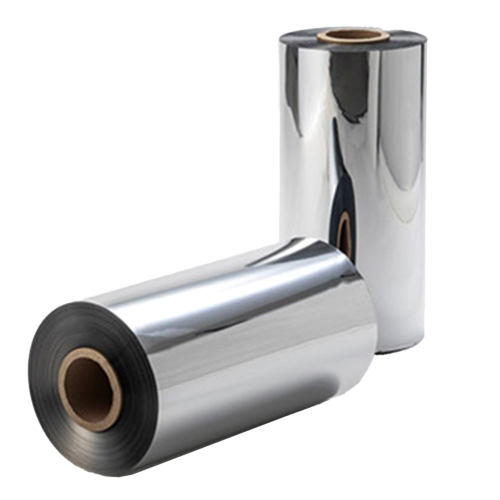
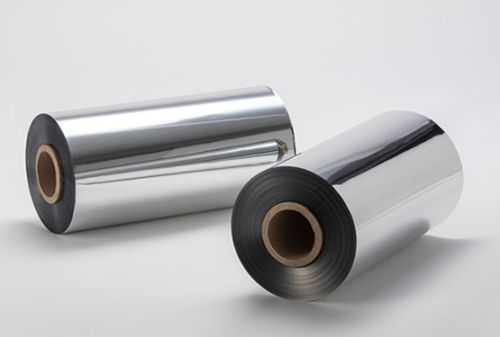
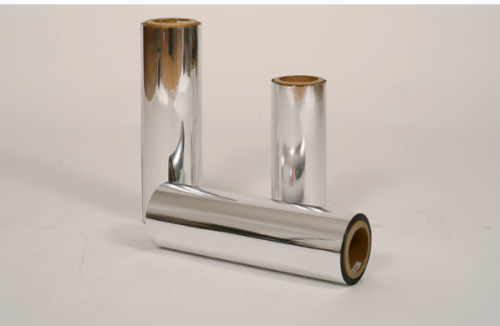
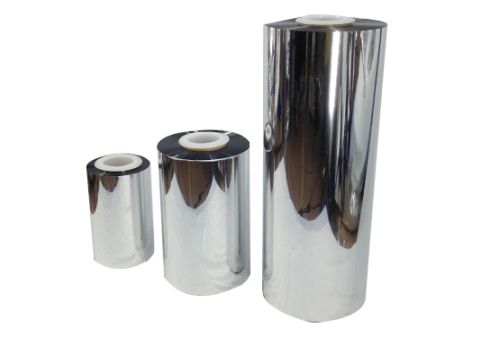
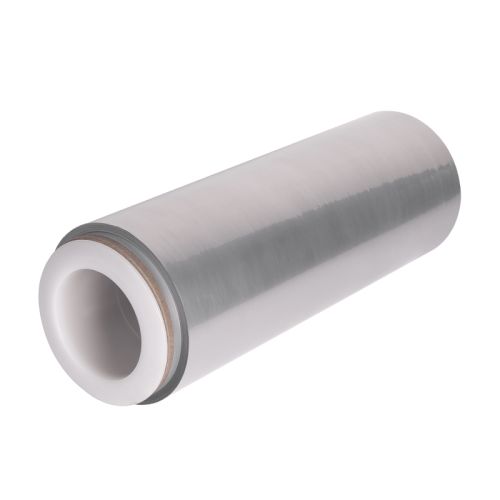
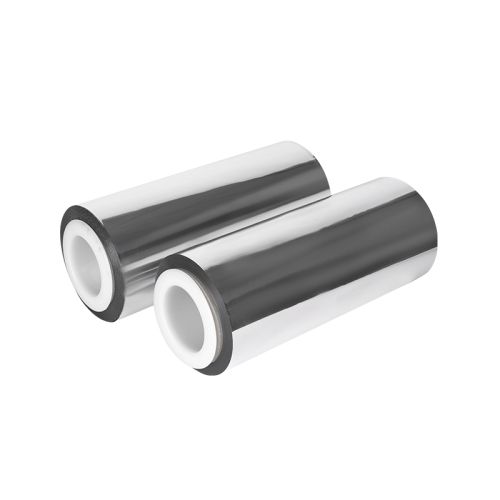
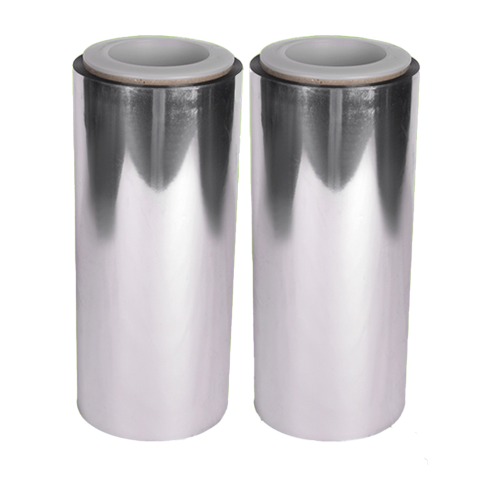
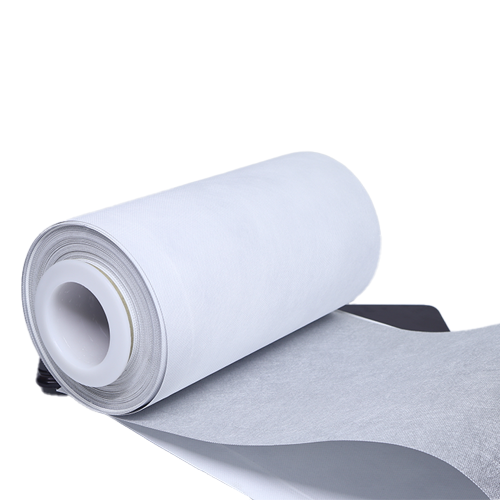
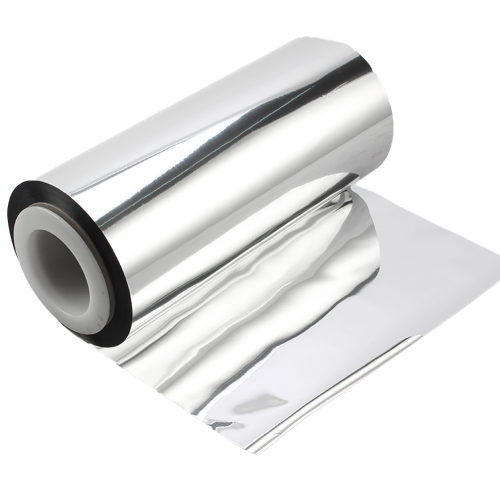
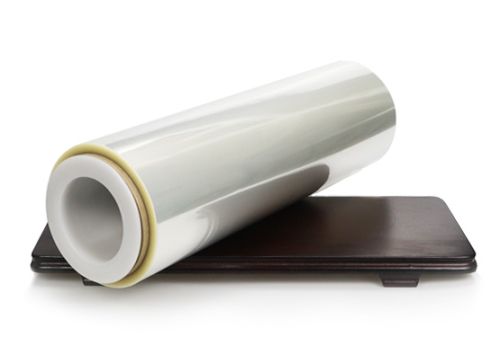
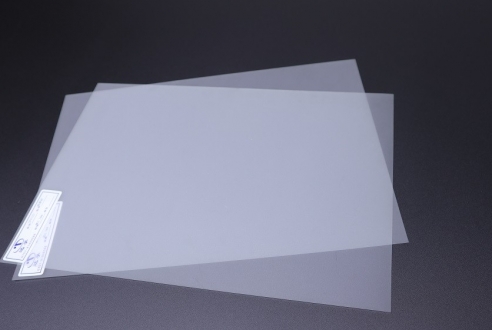
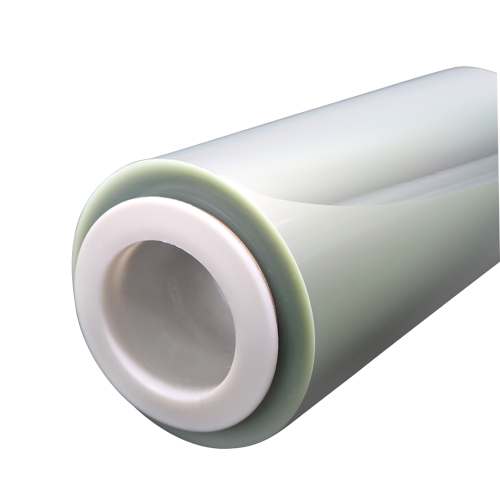
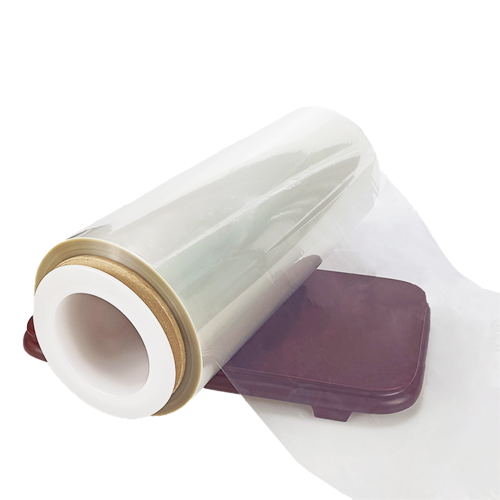
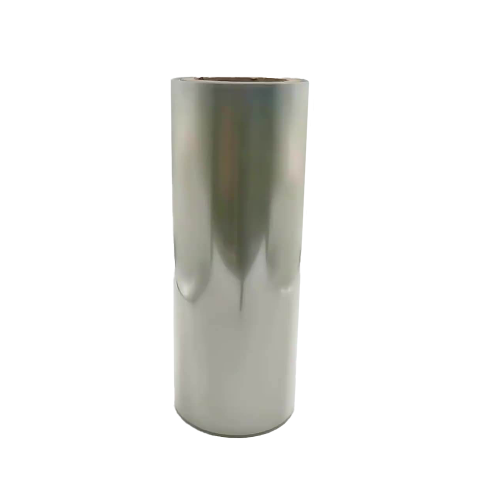
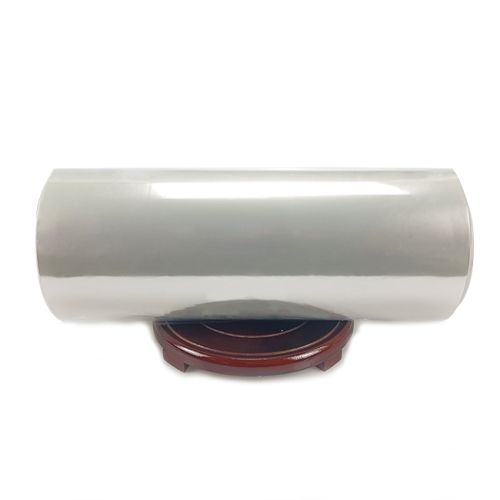
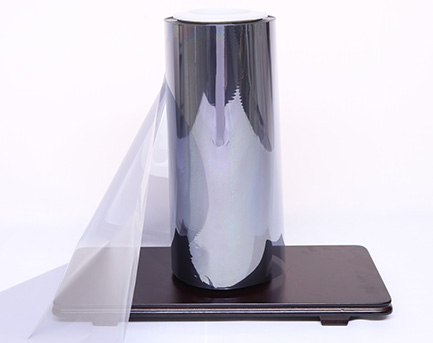
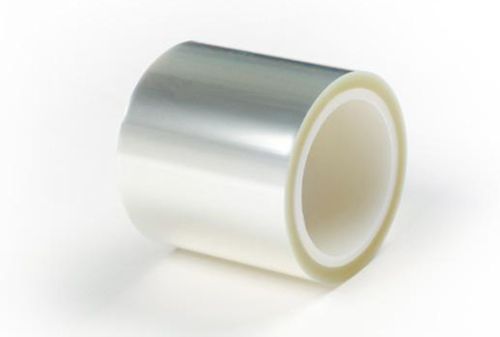
BOPP AlOx Film is a candidate for transparent cracker tray overwraps when a brand wants customers to see the product but still needs a defined moisture-protection requirement. The tray may keep stacks organized, yet it does not establish the barrier of the closed pack. The surrounding laminate must be selected with the tray and wrapping process.
Cailong identifies BOPP-AlOx-GZ as a transparent aluminum-oxide-coated BOPP film for high-barrier packaging. Its relevance is the combination of a PP substrate, visibility and barrier functionality. Working with an AlOx Film Supplier gives converters a material route to assess; it does not remove the need to qualify the cracker pack, tray edges and sealant together.
A cracker tray and its overwrap perform different jobs
Start with the current package. Is a printed film wrapped directly around loose crackers, or does a formed tray hold individual stacks? Is the tray completely enclosed, or are there cutouts and exposed corners? Those details determine how the web contacts the pack during wrapping. Treating every cracker format as a simple dry-food bag misses the geometry that can cause local damage.
The tray can support product arrangement and reduce direct contact between neighboring stacks. It cannot, by itself, prevent moisture exchange through an unsuitable overwrap or defective closure. If the complaint is broken crackers, inspect handling and tray support. If the complaint is softened texture, investigate product condition, pack leakage and moisture transmission. A single material change may not address both failures.
Record when each problem appears. Breakage immediately after wrapping suggests a different investigation from breakage after case packing. Texture changes during storage require a comparison with retained production samples. Establishing this sequence helps the converter avoid assigning a mechanical issue to barrier performance, or assuming that a stronger tray will correct inadequate package protection.
Where BOPP AlOx Film fits in a PP-oriented overwrap
One structure for evaluation is printed BOPP / BOPP-AlOx-GZ / CPP. The outer web carries graphics and receives handling, the coated BOPP supplies the intended barrier function, and CPP provides a candidate sealing layer. This is a proposed construction, not a declaration that this particular cracker tray format has been validated by Cailong.
Agree which side of the barrier web faces each adhesive interface and whether the print is carried on a separate outer layer. Avoid exposing the functional coating to unnecessary rubbing during conversion. The sealant selection should follow the wrapper machine and closure requirements. BOPP-AlOx-GZ should not be treated as proof that every attached layer will seal correctly on the existing equipment.
A PP-oriented structure can be considered when replacing a mixed-polymer overwrap, but its complete composition still matters. Ink, adhesive and other components must be included in any recycling assessment. The tray also needs separate identification. Matching the overwrap's principal polymer does not automatically establish that the whole tray-and-wrapper pack is accepted by a particular collection system.
Clear presentation changes the light-protection decision
If the existing wrapper contains metallized film, a transparent alternative changes more than appearance. Consider whether the cracker recipe contains fats, seasonings or other ingredients for which light exposure is relevant. A clear AlOx coating is not an opaque light shield. Decide which regions should remain visible and whether printed coverage or a secondary carton has a role.
Ask the brand team what customers actually need to see. A narrow window showing the stack arrangement may meet the display objective without leaving every face clear. Compare finished graphics under retail lighting, not only unprinted film. Product visibility, print coverage and the intended protection requirement should be resolved together rather than passed to separate teams late in development.
Tray corners can change the barrier-web condition
Look closely at the points where the web turns around the tray. A pronounced rim, rough cut edge or projecting corner can concentrate contact during wrapping and transport. Inspect representative empty trays before investigating the film. Consistency of tray geometry can be as important as the chosen overwrap when a defect repeatedly appears at the same location.
Use assembled packs to compare tension and fit. A very tight overwrap may place the laminate against rigid features, while a loose pack may move within the shipping case. Neither observation establishes a universal machine setting. The converter needs a workable fit that maintains closure and presentation without creating avoidable contact damage. Record tray changes during film trials.
Check the converted laminate after representative handling. Incoming flat-film OTR or WVTR information does not establish the barrier of a wrapper that has been creased, abraded or locally damaged. Request grade-specific barrier measurements with temperature and relative humidity identified, and agree how finished packs will be evaluated against the current overwrap.
Close the pack without trapping cracker debris
Crumbs may reach the sealing area during feeding or wrapping. Inspect whether stack movement, tray loading or a broken edge is responsible. A seal contaminated by product is a different issue from moisture transmission through an intact panel. Review closure samples from normal operation as well as samples produced after a stoppage or restart.
Follow the actual wrapping sequence through end folds and longitudinal closure. The multilayer regions can differ from a flat laboratory seal coupon. Retain packs showing distorted ends, trapped product or inconsistent closing. Compare those observations with the existing laminate before interpreting a change in stored texture as a barrier-grade failure.
Include tray-rim tolerances in the trial record, not only the nominal tray dimensions.
For a Cailong cracker-overwrap trial, share the present laminate, tray material and drawing, cracker arrangement, wrapping route and observed defect locations. Include the recipe's relevant sensitivities and the required storage assessment. The useful outcome is a laminate recommendation connected to the complete tray pack, with visibility, crispness and handling evaluated as separate requirements.