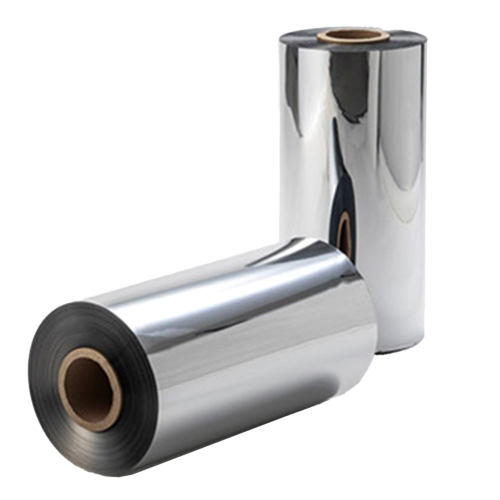
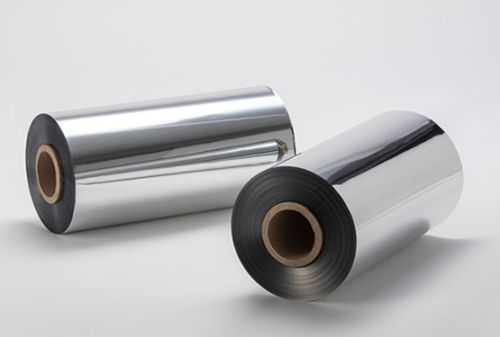
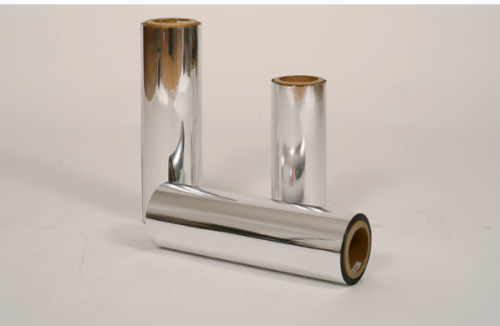
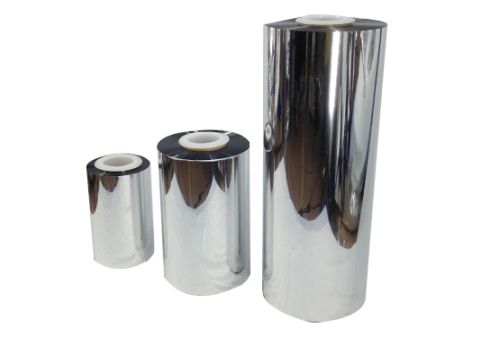
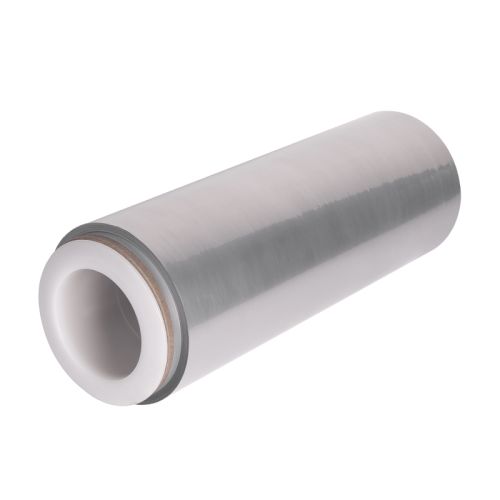
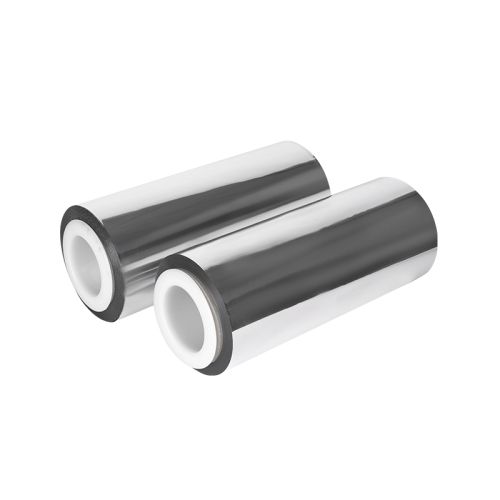
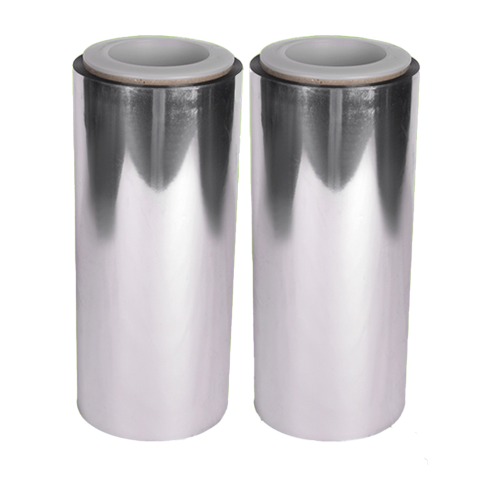
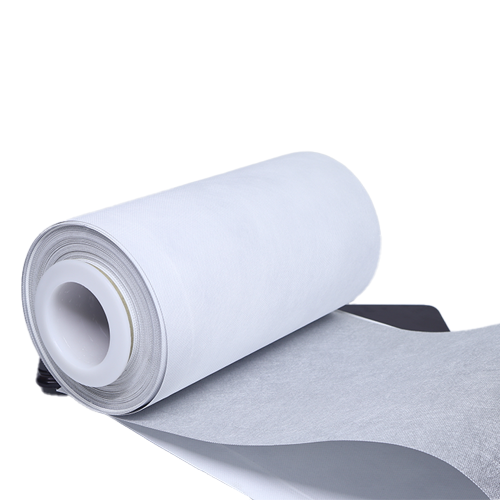
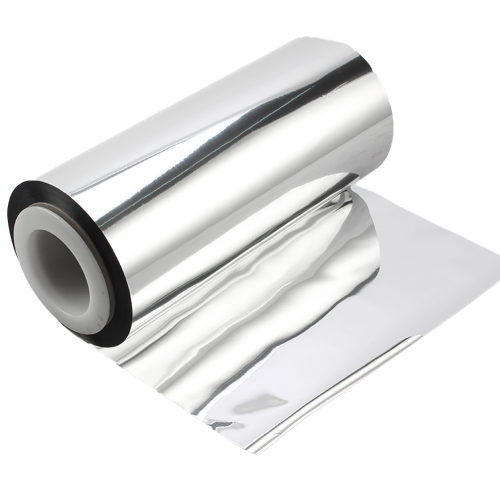
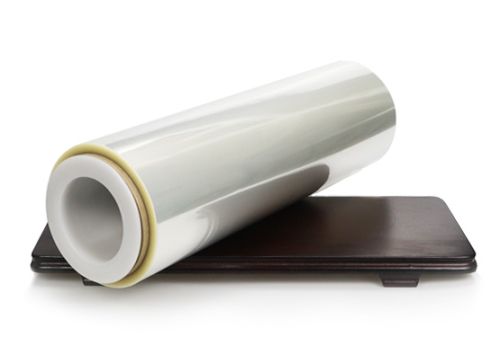
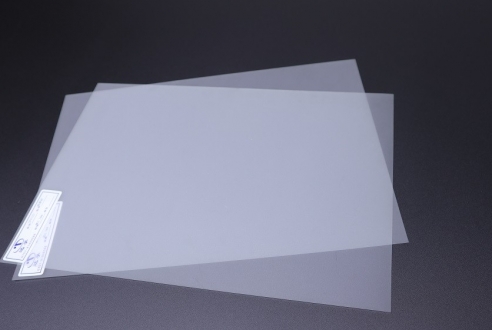
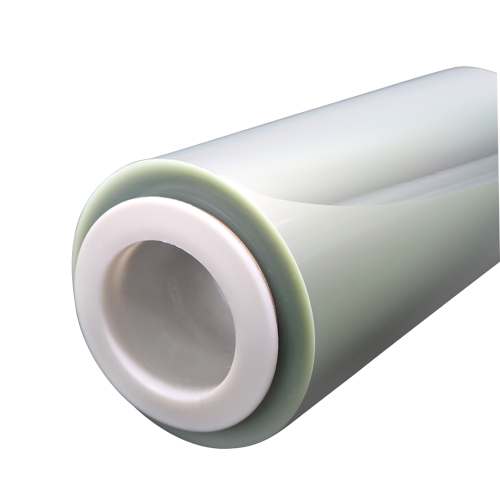
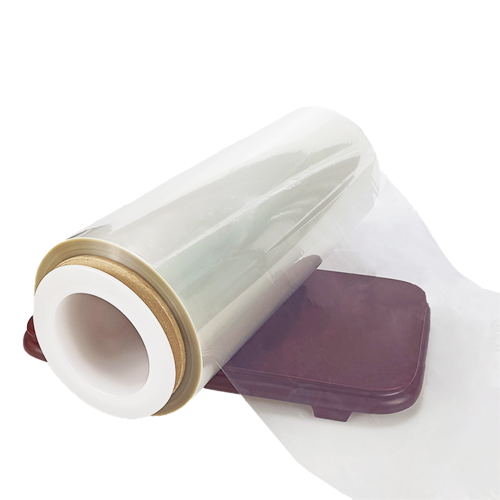
High Barrier Film for a hygroscopic resin bag should be selected from the resin producer's moisture limit and handling route. The bag may need to protect dry pellets during shipment, yet the material can still arrive unsuitable for processing if it was packed above its permitted moisture condition. A packaging barrier prevents exposure within its qualified limits; it does not dry material already carrying excess moisture.
Cailong lists water-based coated MDOPE for PE-oriented flexible and industrial packaging, with stiffness, printability and coating-dependent barrier. Discuss the proposed bag with a High Barrier Film supplier using the actual resin specification. The listed coating range does not establish a resin-bag WVTR requirement or confirm that a particular coating is suitable for this application.
Set the moisture boundary at the resin, not the brochure
Ask the resin producer which condition must be maintained during storage and which drying or handling procedure remains necessary before processing. Keep those instructions separate from the bag specification. A new laminate should not be described as eliminating a prescribed drying step without evidence from the resin owner.
Define the package format and amount of material contained. A sealed retail-size sample and a production sack have different panel areas, closure arrangements and handling loads. Match the intended shipping duration and environment when setting the moisture-protection requirement rather than adopting a film value from an unrelated food pack.
High Barrier Film needs a moisture-specific specification
The MDOPE product page describes customizable barrier through its water-based coating. That description alone cannot confirm the moisture performance needed for a sensitive resin. Obtain WVTR for the proposed coated web and converted laminate under the required conditions. An oxygen-barrier result is not a substitute for that information.
If the proposed coating and PE structure cannot meet the specified moisture limit, retain the existing protective construction or consider another material. PE-oriented packaging is a development option, not a reason to relax the resin's handling specification. This screening should happen before a full sack trial is commissioned.
Assign stiffness, containment and sealing to their layers
A possible trial construction is coated MDOPE / compatible laminating adhesive / PE sealing and containment layer. The oriented outer web carries printing and contributes stiffness; the inner PE layer provides the intended sealing surface and mechanical containment. Its grade and gauge must be selected for the sack, not assumed from the outer film.
This is a proposed resin-bag laminate, not a structure already validated by Cailong. Where the bag works inside another sack, drum or box, show that support in the drawing. A liner supported by a rigid container has a different load path from a self-supporting sack lifted and stacked by itself.
Record the MDOPE machine direction in the cutting and bag-making layout. The orientation can affect how a bag panel bends and presents itself at the closure. Keep it consistent between trial samples so a change in handling is not confused with a change in barrier coating.
Pellet loading creates a different challenge from powder filling
Use the actual pellet shape and loading method in the trial. Look for impact against the bag wall, concentrated contact at corners and movement during settling. A smooth laboratory object does not reproduce every pellet geometry. Inspect the location of any damage instead of assuming that a higher barrier grade improves mechanical containment.
If pellets or fragments reach the seal land, review the filling cutoff and bag presentation. The material at that interface needs a different investigation from transmission through the panel. A flat seal specimen can help assess the laminate, but the production bag must also close with the actual contents and equipment.
Do not ignore the condition at the filling station
Record the resin's verified moisture condition and relevant temperature when it enters the bag. If pellets arrive warm from an upstream process, obtain a specific packaging confirmation for that filling condition. Do not turn a general heat-resistance description into permission to fill any hot resin or cool it inside a closed bag.
Keep the waiting period between drying, transfer and closure in the record. If moisture differences follow that delay, investigate the transfer route before replacing the laminate. The useful comparison holds the starting material condition under control while the package construction is evaluated.
If the design includes a desiccant or another moisture-control feature, have the resin producer define its role and compatibility. Such a feature does not prove that the perimeter seal can leak, and it does not establish that the film is adequate. Include it in the complete bag assessment rather than crediting its effect to the coated web.
Qualification continues after the sack is stacked
Follow the intended pallet arrangement, compression and handling sequence. Check whether rubbing at a neighboring sack, a pallet feature or a support edge creates local damage. The intact broad panel and the damaged contact point need to be assessed separately. Moisture protection depends on the closed package after handling, not only before shipment.
Compare resin condition after the agreed storage sequence with its verified starting condition. Maintain bag identity and sampling procedures so that exposure during sample collection does not obscure the result. If only selected positions in a stack change, inspect the local handling and closure pattern before treating it as a uniform barrier shortfall.
Opening at the processor changes the protection boundary
A bag may contain more resin than one production run consumes. Define what happens after the first opening: transfer to a hopper, temporary storage, or another controlled handling route. A folded or clipped sack should not be assumed to reproduce its original sealed barrier. The processor's instructions must address that stage independently.
To assess coated MDOPE with Cailong, provide the current bag layers, resin moisture specification, pellet geometry, filling condition, support container and shipping route. Include the problem observed at receipt or processing. Those inputs allow the supplier to determine whether this coating-based PE construction belongs in the evaluation or whether the confirmed moisture requirement calls for a different barrier system.