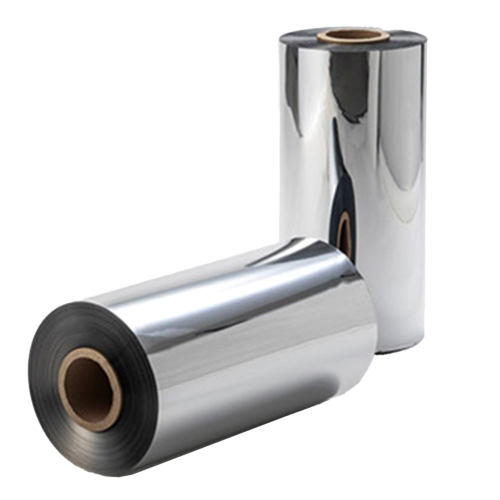
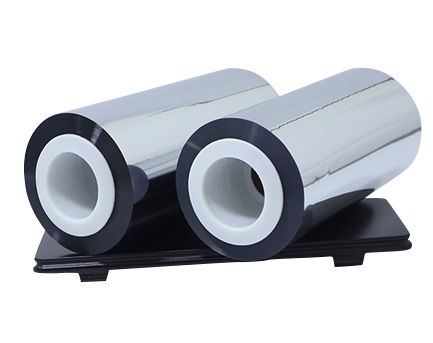
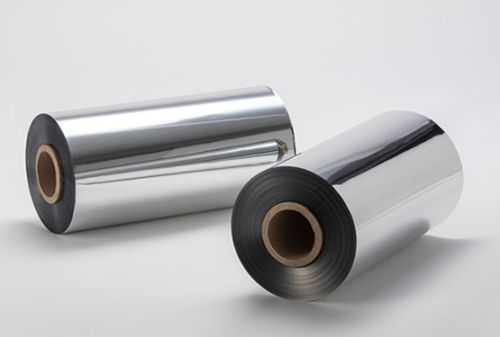
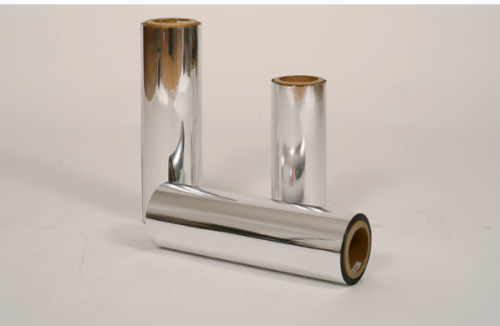
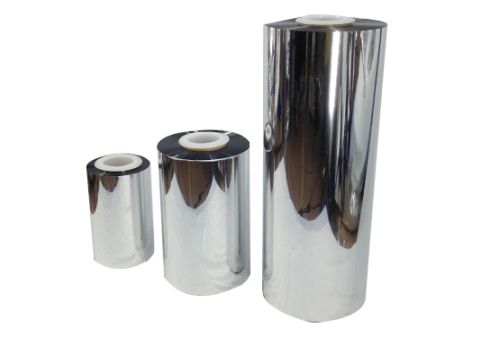
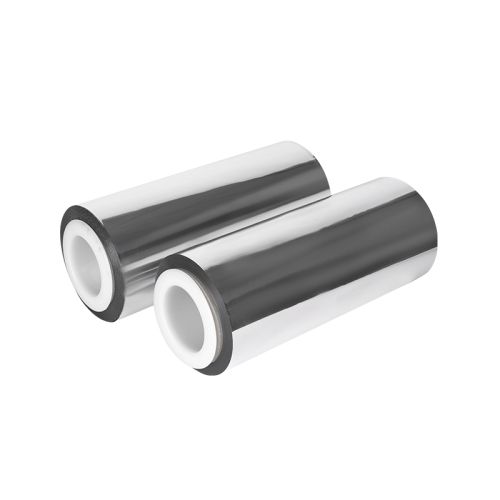
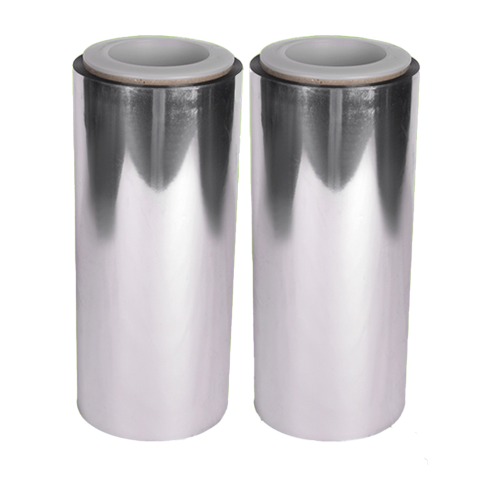
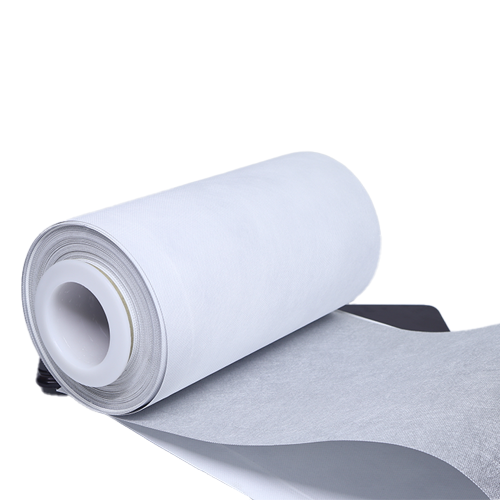
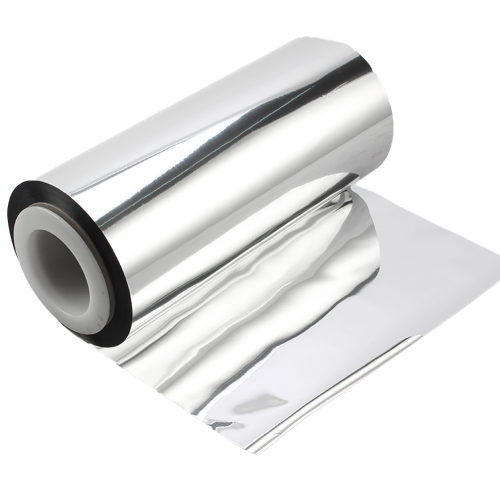
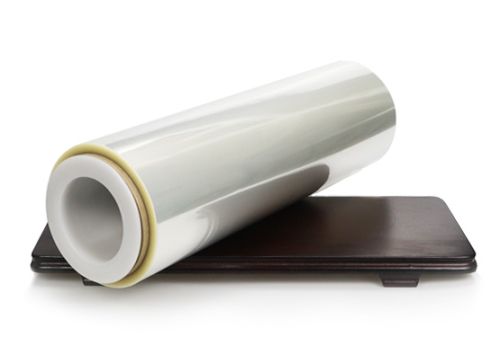
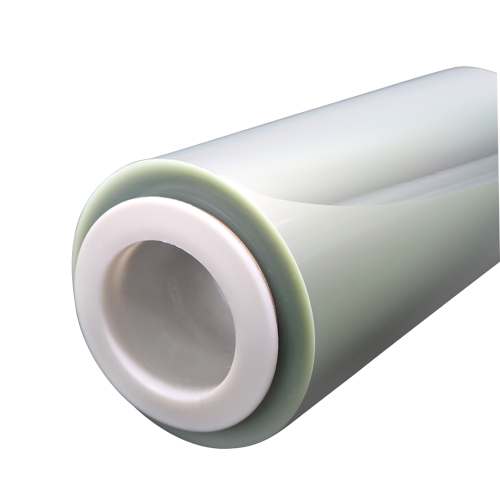
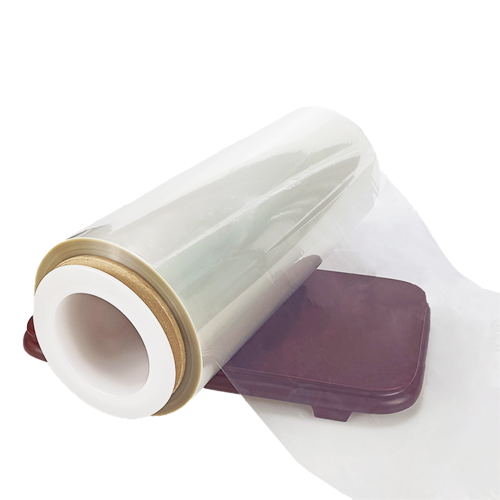
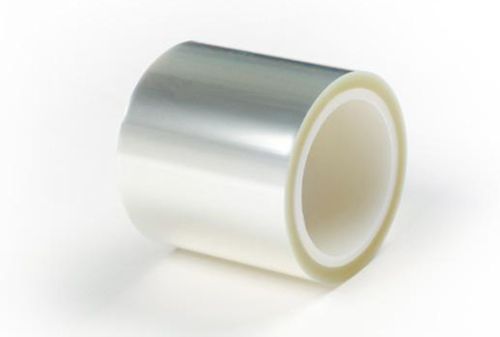
Metallized CPP Film can be worth evaluating when a food bag needs a metallized barrier web with sealing capability, but the filled bag still opens just after the sealing jaws release. The practical question is how the closure carries load while it is warm. A satisfactory cooled seal does not automatically answer that question.
Cailong's film portfolio lists standard CPP metallized film and a high-adhesion version, with applications including composite packaging for popcorn, instant noodles and puffed foods. The site describes low-temperature sealing and flexibility, but provides no hot-tack curve for a defined grade and structure. Selection should therefore include an application-specific trial rather than treating the general sealing description as proof of immediate load resistance.
Look at when the opening happens
A seal that parts during filling has a different diagnostic starting point from one that fails during warehouse handling. On a vertical packing line, the recently formed bottom closure may encounter product weight before it has cooled. On another machine, transport belts or package discharge can pull the web near a fresh seam. Identify the timing before deciding that a stronger laminate is needed.
Observe the seal immediately after jaw release and again after cooling, using a safe inspection arrangement agreed with the machine team. Record whether the opening starts at the center, a folded region or the edge. A change localized at one position may involve contact pressure or geometry. Uniform opening across the seal may suggest a different combination of heat, dwell and loading.
Understand the role of the CPP layer
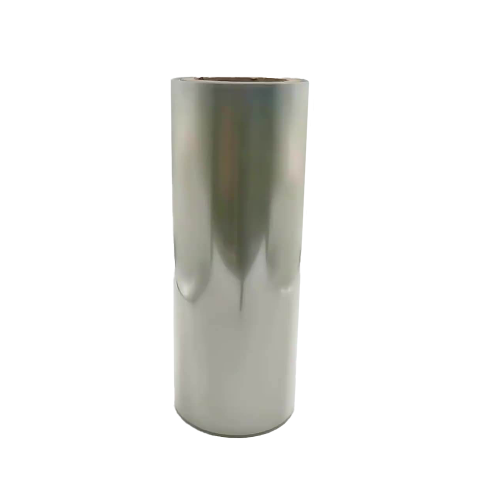
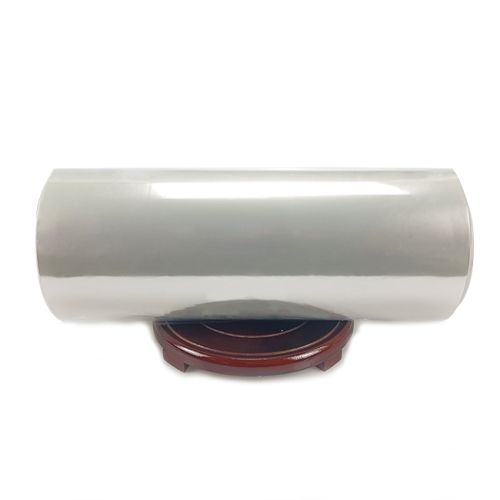
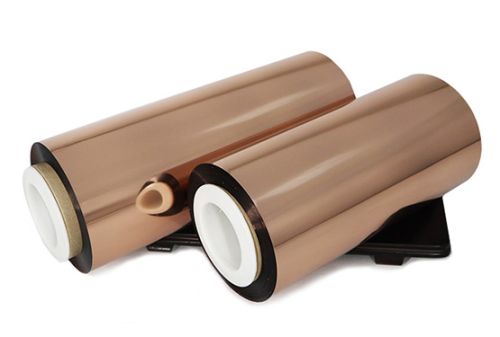
The confirmed material is CPP carrying a vacuum-deposited aluminum layer. Its metal-coated surface supplies the barrier-facing function, while the intended sealing surface must be identified for the supplied grade. Ask which side the converter should laminate and which side is intended to face the closure. A silver appearance alone cannot identify the correct assembly orientation.
One possible construction for evaluation is printed BOPP / adhesive / metallized CPP, with the CPP sealing face inward and its metallized face protected at the bonded interface. The outer web carries print and contributes handling support. This candidate construction requires converter confirmation, including whether the exact CPP grade provides the required sealing function. It should not be presented as a universally validated laminate.
Keep hot tack separate from cooled strength
Hot tack describes the ability of a freshly made, still-warm seal to resist opening under the defined test conditions. A cooled peel measurement addresses a later state. Both can matter, but a package may satisfy one requirement and miss the other. Comparing them as though they were the same property can send a development project toward an unsuitable material change.
The website's general sealing information lacks the complete grade-specific conditions needed to define a production window. Do not convert a single stated sealing temperature into a guaranteed jaw setting. Ask for relevant test information and define the temperature, dwell, pressure, cooling delay and opening method used in the comparison. A curve or controlled trial is more useful than an isolated temperature label.
Reproduce the load imposed by the product
A laboratory strip does not reproduce every stress created by falling product or a filled bag leaving the machine. Record the fill mass, product impact and time between sealing and loading. A light product with a large pack volume can interact with the closure differently from a dense product in a smaller format. These details help explain why a retained flat seal may look acceptable.
Use representative contents or an agreed physical substitute during machine development. Keep the test focused on the closure's loading history rather than changing both material and fill behavior at once. If reducing immediate load improves the result, investigate the available cooling or transport arrangement before concluding that the barrier web itself must be replaced.
Distinguish seal separation from layer separation
Examine the failure surfaces. Opening through the intended sealing interface differs from separation at the adhesive or metallized interface. If aluminum transfers or a laminate layer peels away, the high-adhesion CPP option may become relevant to the investigation. Its name alone still cannot prove compatibility with the adhesive, drying and curing conditions used on the customer's line.
Keep material samples from before lamination and from the finished laminate. Compare the supplied grade, web orientation and bond condition when interpreting a failure. Raising jaw heat to compensate for an interface problem can introduce another defect without resolving the original cause. A clear failure description allows the supplier to discuss the appropriate material function rather than respond only to a request for more strength.
Assess contamination and thick seal regions
Food particles or seasoning in the closure can interrupt contact between sealing surfaces. A hot-tack problem should therefore be investigated alongside the filling pattern. Compare clean seals with seals made under representative production conditions, and inspect whether product accumulates at a particular jaw region. A result obtained on clean strips cannot establish tolerance to every type of contamination.
Folded or overlapping areas also change how heat and pressure reach the sealing interface. Trial the intended bag width and fold arrangement. A narrow demonstration bag may conceal a contact problem that appears across the production format. Keep these geometry effects separate from claims about oxygen and moisture barrier, which do not establish closure performance.
Define the production decision
The useful outcome is an operating range that closes the intended package consistently and survives its immediate loading sequence. Confirm the cooled closure and the package's required protection afterward. Improving hot tack is not sufficient if the change also damages the bonded interface, alters appearance or leaves another package requirement unmet.
For a metallized CPP sample discussion, send the current laminate, bag format, fill mass, line speed and the point where opening occurs. Include jaw configuration, the available cooling interval and photographs of both failure faces. That information helps determine whether the next trial should address CPP grade, laminate orientation, sealing conditions or the way the filled bag is supported.