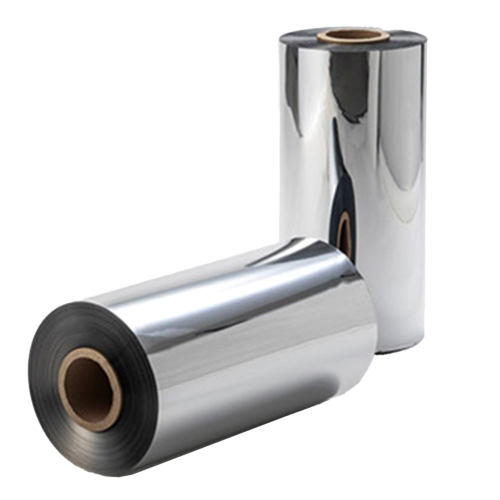
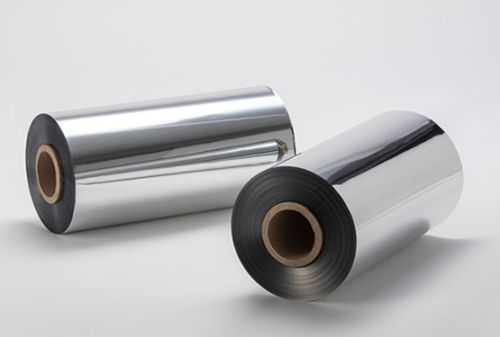
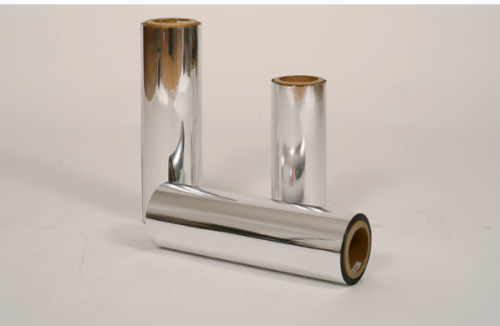
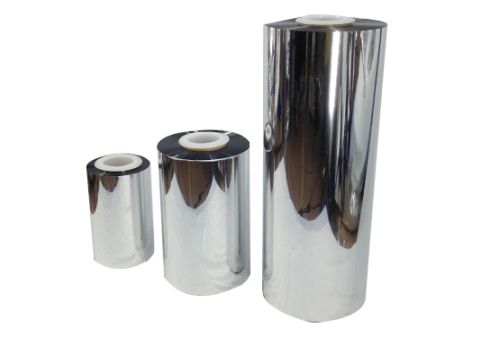
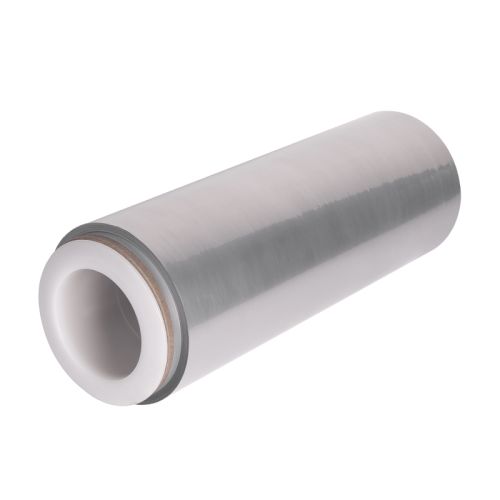
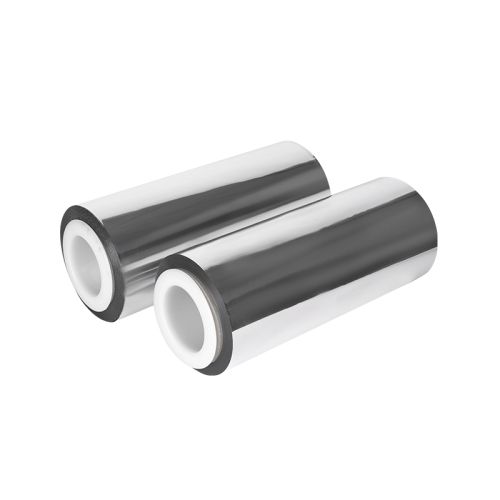
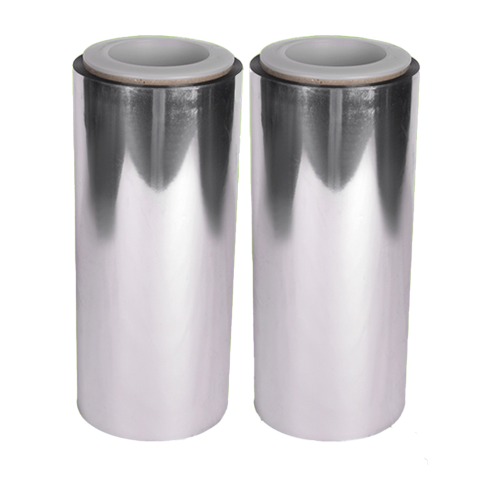
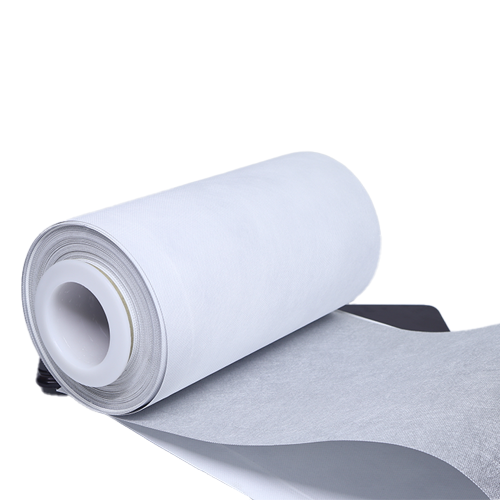
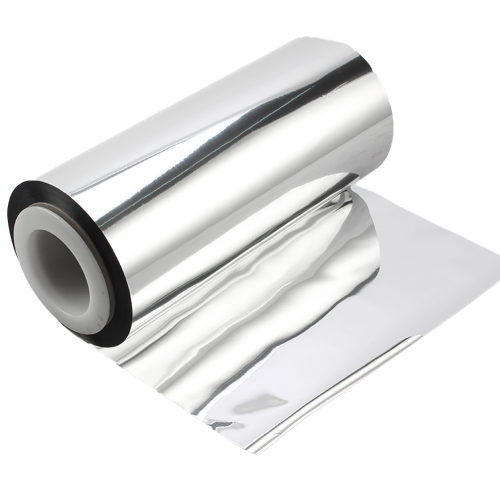
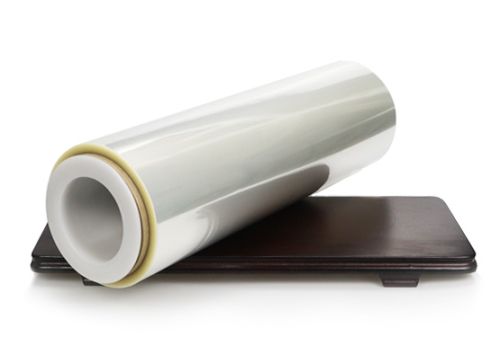
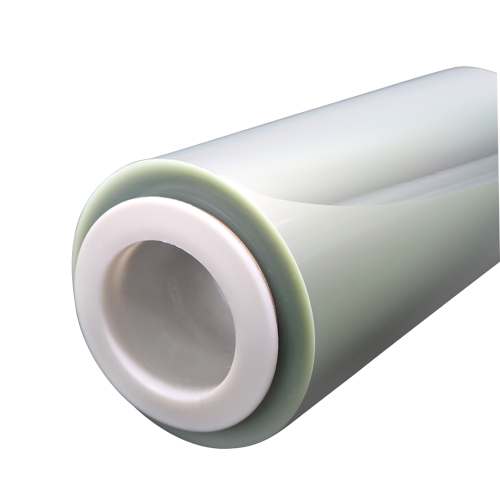
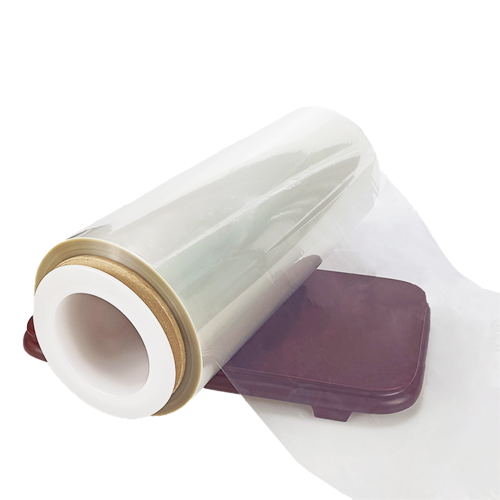
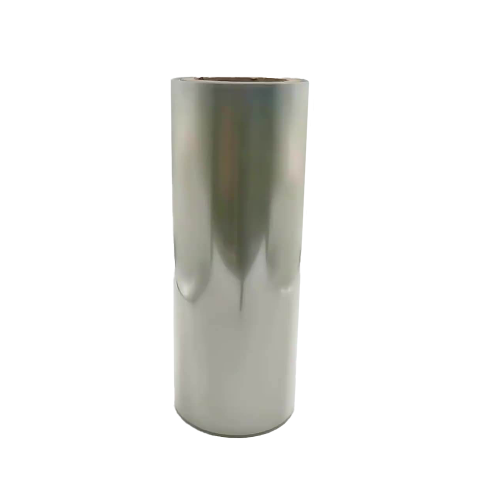
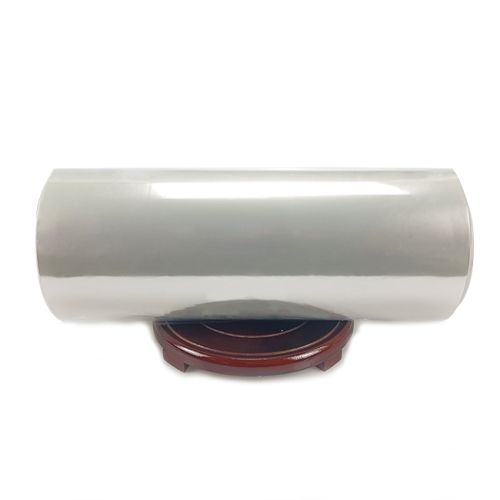
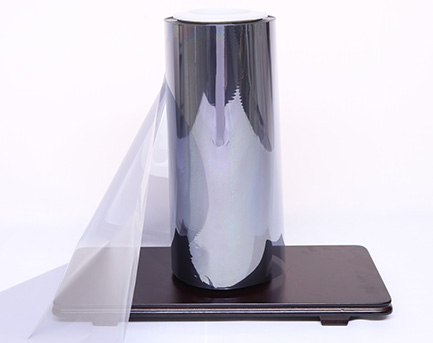
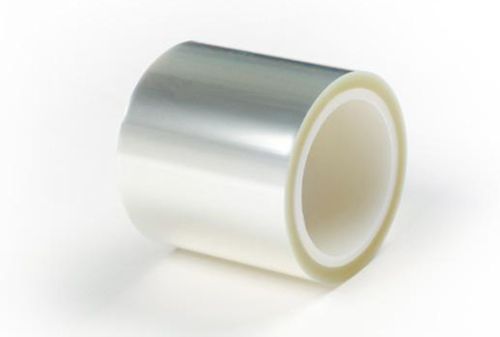
BOPP SiOx Film may enter a transparent retort-pouch project because the package needs both product visibility and oxygen protection. A different question arises when production considers running a pouch through a second cycle. A film described for one retort condition does not automatically qualify the complete package for repeated exposure, including the heating and cooling that occur between cycles.
Cailong's film portfolio lists a silicon-oxide-coated BOPP barrier film with a stated retort condition of 121°C for 30 minutes. Its recommended laminate is BOPP / BOPP-SiOx / RCPP. This provides a documented starting construction for evaluation. The available information does not establish an allowable number of repeated cycles or an approved reprocessing procedure for filled food packages.
Identify why another cycle is being considered
A planned second thermal treatment and an unexpected production interruption are different development cases. Describe the actual event before requesting material approval. Was the package fully heated and cooled, partially processed, or held between operations? Each sequence produces a different exposure history even when the maximum indicated temperature is unchanged.
For filled food, the responsible thermal-process and food-safety team must determine whether reprocessing is permissible and define the required process. Packaging material evidence addresses package performance within that decision. It cannot establish microbiological safety or authorize a factory to repeat a cycle that has not been approved.
Keep that process decision separate from a supplier's film description. A retort-capable barrier layer can be useful while a particular repeated-cycle proposal remains unqualified. This distinction allows the converter to investigate the material properly without implying that the packaging supplier controls the food-processing schedule.
Record the whole history rather than adding hold times
Two nominal holding periods should not simply be presented as one longer material rating. Heating ramps, cooling, intermediate storage and pressure changes also belong to the package history. Record the actual sequence applied to representative packages so later observations can be connected to a defined treatment.
Identify what happens between exposures. Packages may be handled, stacked or moved while their laminate and seals are in a different condition from fresh unprocessed pouches. If the trial includes intermediate handling, reproduce it deliberately. If it does not, do not imply that the resulting evidence covers uncontrolled factory movement.
Use measured process records for the trial. The machine program alone may not describe every package position or load condition. The process team should choose representative monitoring and sampling locations. Material comparison becomes more useful when the treatment is traceable rather than summarized only as retorted twice.
Follow the role of each laminate layer
In the documented structure, the outer BOPP supports the exterior web, the SiOx-coated BOPP contributes the barrier function, and RCPP provides the sealing layer. Adhesive interfaces connect these functions. Repeated exposure can therefore raise questions about the assembled laminate beyond whether the base BOPP film remains visibly intact.
Confirm the exact grade, gauge and adhesive combination used for the sample. The website and local TDS differ in their stated nominal gauge, so the ordered specification needs written confirmation. That discrepancy should not be hidden by selecting whichever thickness best suits the proposed design.
Do not transfer the repeated-cycle conclusion to another oxide grade or sealant after testing. The accepted object is the identified laminate. A visually similar transparent film, a different adhesive or a thinner sealant can change the construction being evaluated and may require a targeted comparison.
Compare packages at useful points in the sequence
Retain unprocessed controls, samples after the initial cycle and samples after the proposed additional exposure. This arrangement helps reveal whether a change first appears during the normal process or only later. Testing only the final sample can establish its condition but may leave the source of deterioration unclear.
Inspect appearance, laminate integrity and package dimensions at the agreed stages. Look for observations such as whitening, local separation, curling or seal distortion without assuming that these effects must occur. Record their locations. A defect around a fold may need a different investigation from a uniform change across a flat panel.
Bond evaluation should include the separated surfaces and failure location, not just a force reading. If the visible interface changes after the additional cycle, retain specimens for the adhesive and film suppliers. The evidence should distinguish a coating-related separation from an adhesive or sealant issue where practical.
Measure protection after conversion and processing
Assess oxygen and moisture transmission using defined specimen preparation, conditioning and test conditions. Measurements on the incoming web do not establish the condition of a processed pouch. Agree how flat areas and mechanically stressed regions will be represented before interpreting a favorable average result.
Evaluate seals and overall package integrity separately from transmission through the laminate. A package can have an adequate barrier wall and still admit oxygen through a leak. Conversely, an apparently sound seal does not prove that the barrier layer has retained its intended function after an additional thermal history.
The protection requirement should come from the product and its distribution brief. Avoid assigning a universal acceptable percentage of barrier change or a shelf-life extension from the film description. If a second cycle is under consideration, the finished package must still satisfy the agreed requirement after that specific sequence.
Include the intended storage interval following processing. An immediate inspection and the condition at the end of distribution answer different questions. The study should connect package appearance and integrity with the observation periods chosen by the product team, rather than ending when the retort door opens.
A useful inquiry to Cailong includes the proposed layer construction, confirmed film specification, adhesive, sealant and complete exposure sequence. State explicitly whether the request concerns normal single-cycle qualification or a separately authorized repeated-cycle study. BOPP SiOx film offers a transparent barrier direction for PP-based retort structures, while the additional trial establishes the boundary of this particular package. That keeps material selection connected to the real processing decision instead of extending one published condition into an unsupported repeated-use claim.