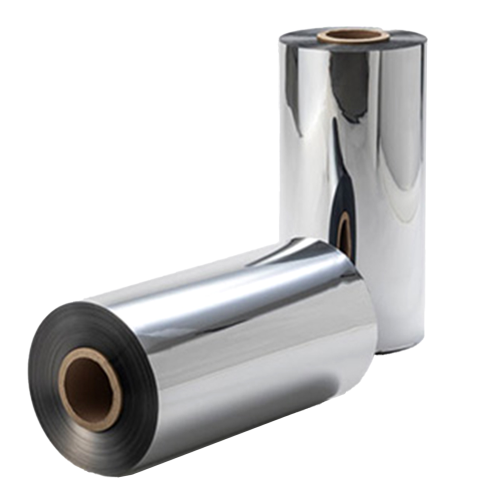
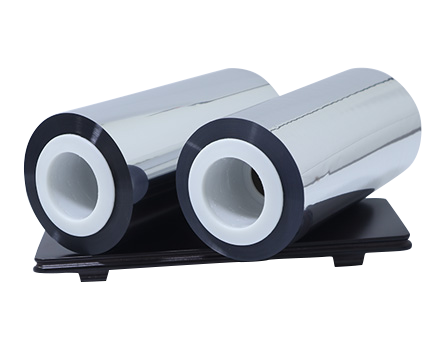
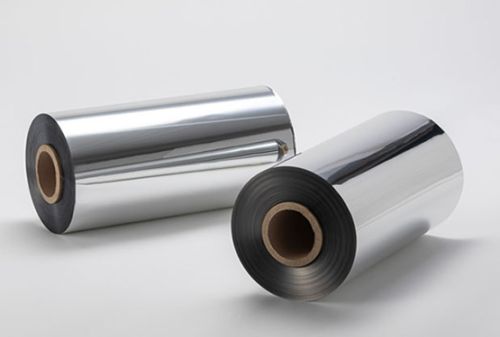
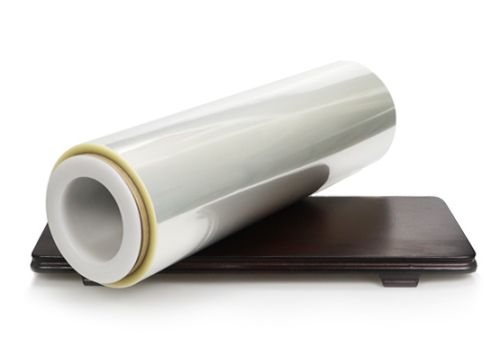
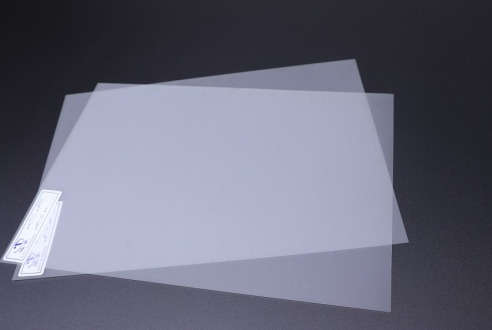
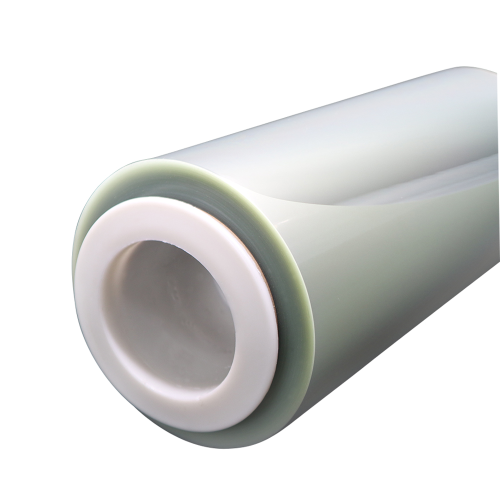
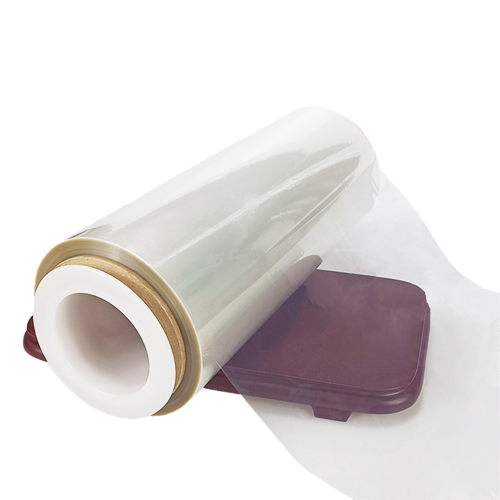
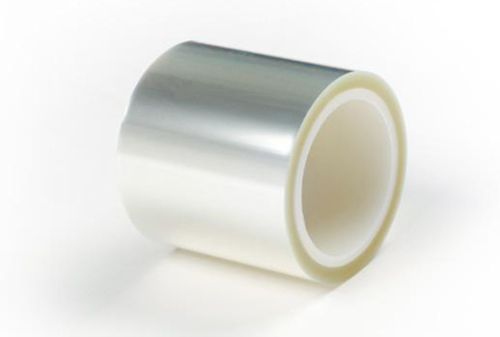
What Is Coated Polyester Metallized Film (Pre-Coated PET Metallized Film)?
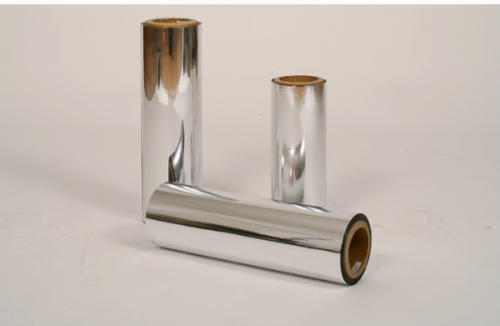
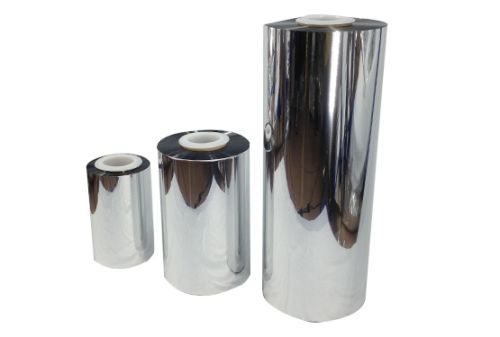
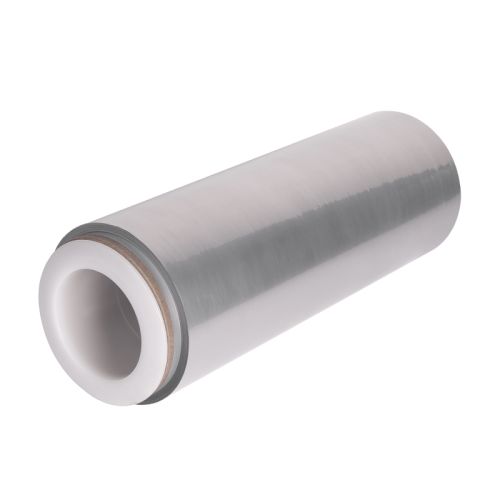
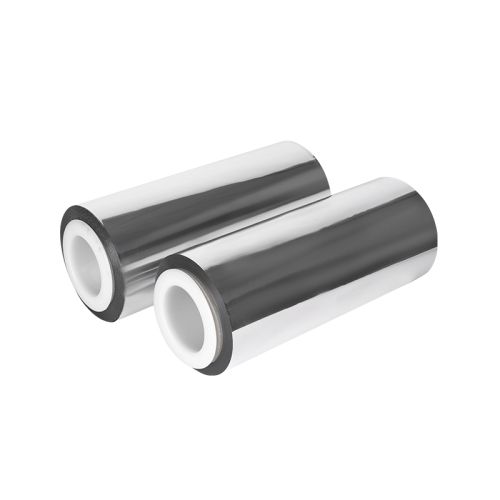
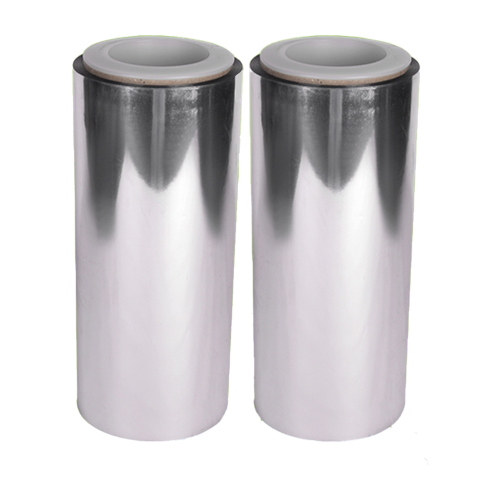
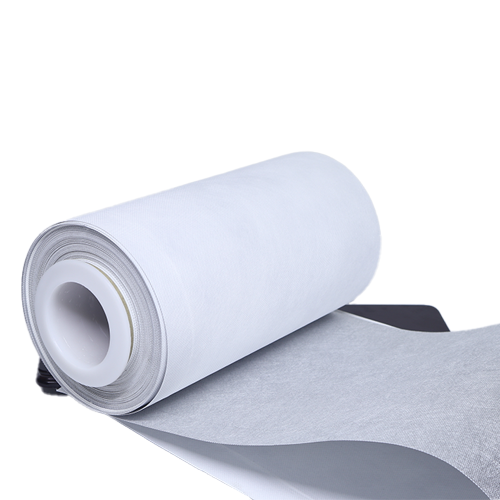
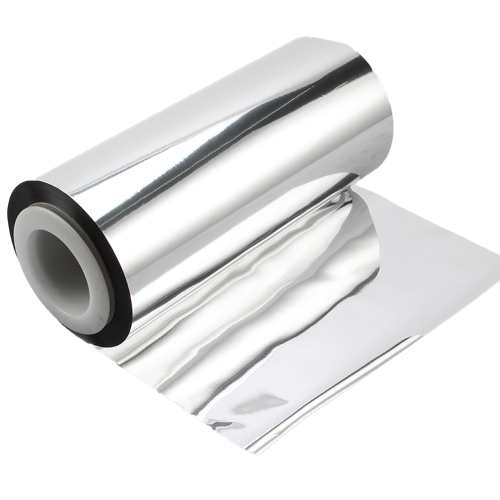
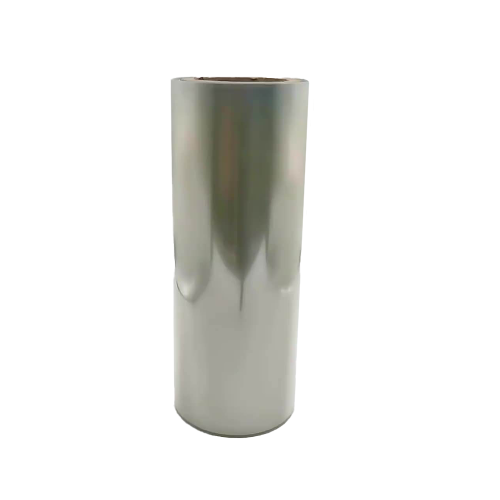
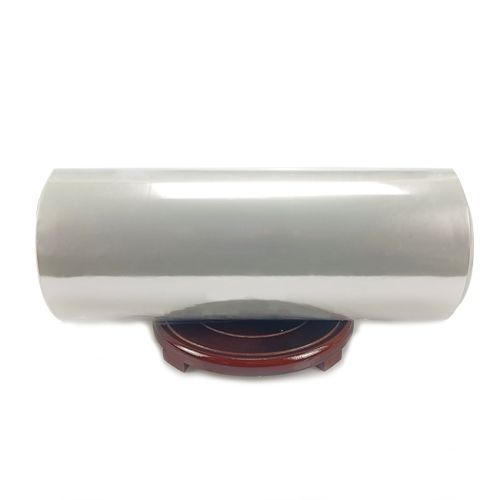
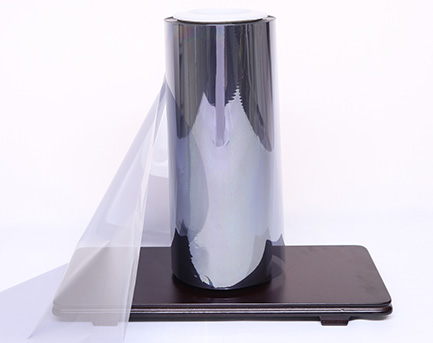
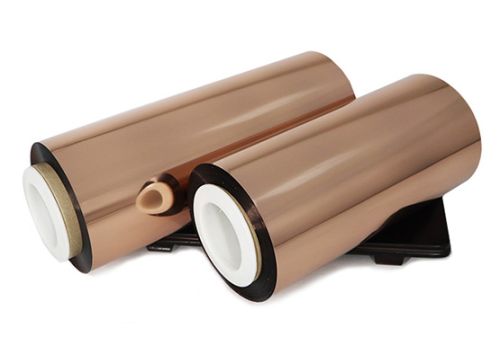
Coated polyester metallized film — also referred to as pre-coated PET metallized film or primer-coated metallized PET — starts with a transparent BOPET base film that undergoes vacuum metallization on one side, while the non-metallized surface receives a special surface treatment (coating) .
This coating serves a critical function: it dramatically improves lamination bond strength when the film is later combined with other substrates (PE, CPP, paper, aluminum foil). Without this treatment, the non-metallized PET surface can delaminate under stress or wet conditions.
Key distinction: Standard metallized PET has no treatment on the non-metal side. Pre-coated metallized PET has a functional coating on the non-metal side specifically engineered for stronger adhesion in multi-layer laminates.
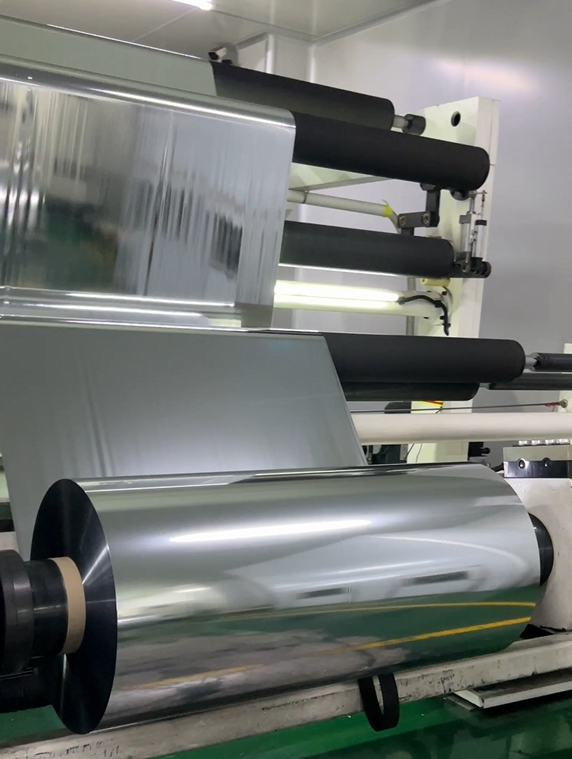
How It Differs from Standard Metallized PET
| Property | Standard Metallized PET | Pre-Coated (Coated) Metallized PET |
|---|
| Non-metal side treatment | None | Special surface coating |
| Lamination bond strength | Moderate | Significantly higher |
| Suitability for wet/oily contents | Limited | Excellent |
| Retort / boil-proof capability | Requires careful selection | Designed for demanding processes |
| Printability (non-metal side) | Poor without corona | Good to excellent |
| Typical applications | Dry snacks, simple labels | Liquid pouches, retort, electronics |
Key Properties
1. Superior Mechanical Performance
- Excellent flatness and stiffness — runs smoothly on high-speed packaging lines
- Good tensile strength and dimensional stability
- Resists curling and wrinkling during lamination and printing
2. Heat & Chemical Resistance
- Withstands temperatures encountered in heat-sealing and lamination processes
- Resists attack from oils, acids, and common solvents found in food and industrial environments
3. Outstanding Dimensional Stability
- Low thermal shrinkage ensures register accuracy in multi-color printing
- Maintains flatness across varying humidity conditions
4. Strong Metal Adhesion
- The vacuum-deposited aluminum layer bonds tightly to the PET base
- No flaking or peeling during converting (slitting, rewinding, bag-making)
5. High Barrier Performance
- Oxygen barrier: OTR typically ≤2 cc/m²·24h (can reach ≤0.5 with ultra-high-barrier grades)
- Moisture barrier: WVTR typically ≤2 g/m²·24h (can reach ≤0.5)
- Opaque to light — protects light-sensitive contents
6. Metallic Gloss Finish
- Attractive silver mirror-like appearance enhances shelf presence
- Compatible with reverse printing and over-lamination for branding
Applications
Food Packaging
- Coffee and tea pouches (oil resistance + barrier)
- Snack food bags (crisps, nuts, biscuits)
- Condiment sachets (ketchup, soy sauce, chili oil)
- Retort pouches (ready meals, soups, pet food) — when combined with appropriate sealant layer
Pharmaceutical Packaging
- Blister backing foil lidding
- Strip pack wrapping for tablets and capsules
- Moisture-sensitive nutraceutical packaging
Cosmetic & Personal Care
- Lotion sachets and sample packs
- Face mask packaging
- Perfume box inserts and decorative wraps
Electronic Components
- Phone reflector film — the metallic surface acts as a light reflector in backlight units and display modules
- EMI shielding layers
- Insulation spacers and die-cut parts in batteries and PCBs
Why phone reflector film? The combination of high reflectivity (from the aluminum layer), dimensional stability, and thin gauge makes pre-coated metallized PET ideal for directing light evenly across LCD/LED backlight assemblies.
Technical Specifications (Typical Range)
| Parameter | Value |
|---|
| Base film thickness | 12–50 µm |
| Aluminum layer thickness | 300–500 Å (standard); down to 40 Å (ultra-thin grade) |
| Optical density | 1.5–2.5 (depending on application) |
| Surface tension (non-metal side) | ≥44 mN/m (treated) |
| Coefficient of friction | 0.3–0.6 (adjustable) |
| Tensile strength (MD/TD) | ≥170 MPa |
| Elongation at break | ≥80% |
FAQ (SEO Snippet Target)
Q: What is pre-coated PET metallized film?
A: It is BOPET film that is vacuum-metallized on one side and has a special surface coating on the non-metallized side to improve lamination bond strength with other substrates.
Q: Can pre-coated metallized PET be used for retort packaging?
A: Yes. When combined with a suitable sealant film (such as CPP or RCPP), the pre-coated surface provides the adhesion needed to survive high-temperature retort processing.
Q: Is pre-coated metallized PET suitable for phone reflector film?
A: Yes. Its high reflectivity, dimensional stability, and thin gauge make it a preferred material for backlight reflectors in mobile phone displays.
Q: How does the coating improve lamination strength?
A: The coating increases surface energy and provides chemical bonding sites, allowing adhesives to anchor more effectively to the PET surface than untreated PET.
Q: Is this film printable on the non-metal side?
A: Yes. The special surface treatment enables good ink adhesion for reverse printing (commonly used in laminated packaging structures).
Conclusion
Coated (pre-coated) polyester metallized film bridges the gap between standard metallized PET and demanding packaging requirements. By treating the non-metallized surface, manufacturers achieve stronger laminations, better process reliability, and expanded application scope — from everyday snack pouches to precision electronic components like phone reflector films.