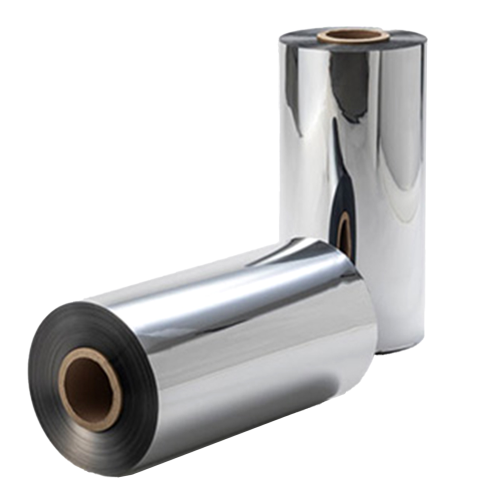
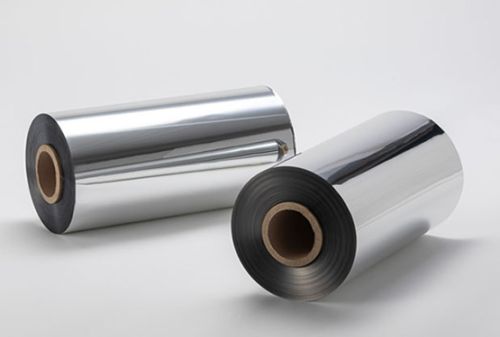
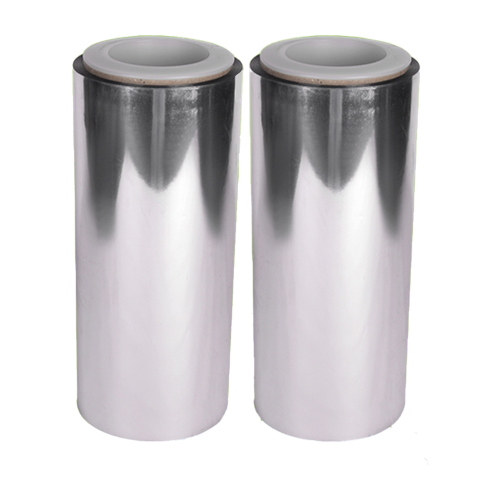
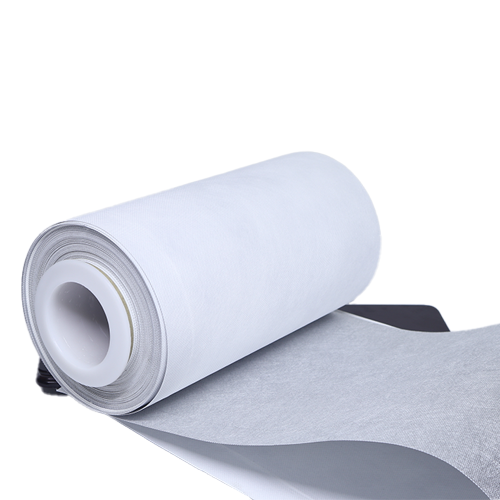
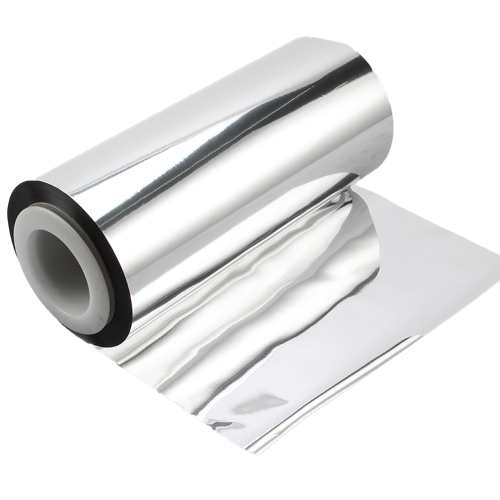
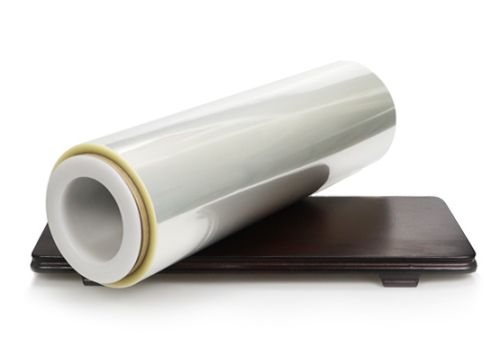
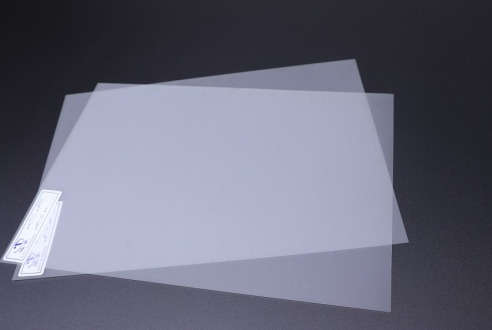
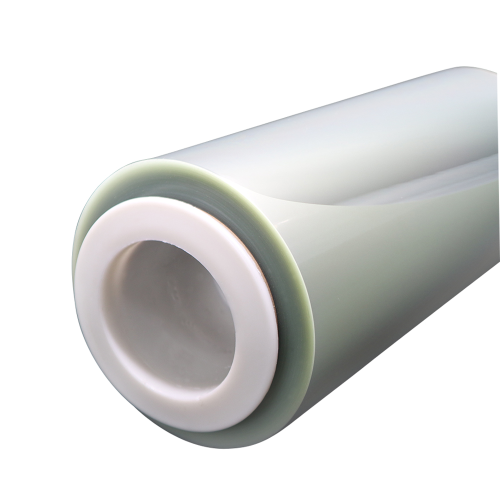
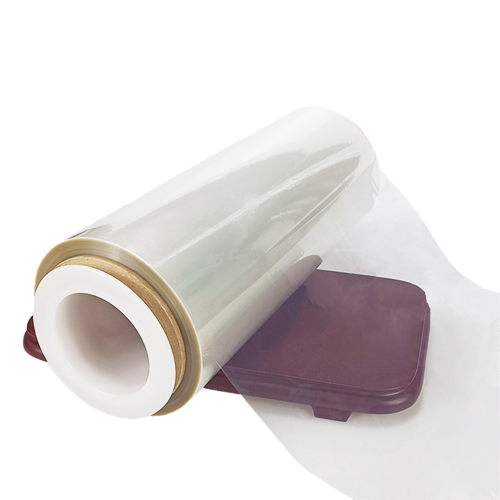
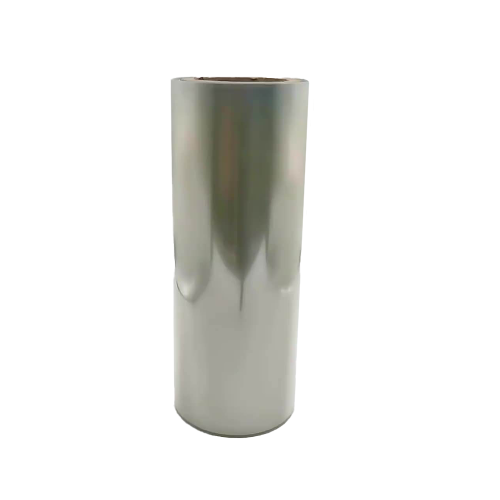
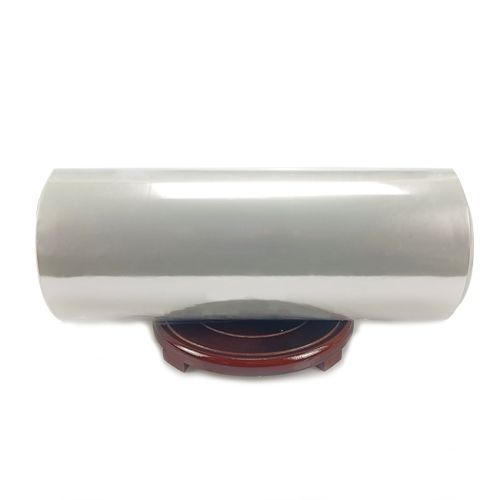
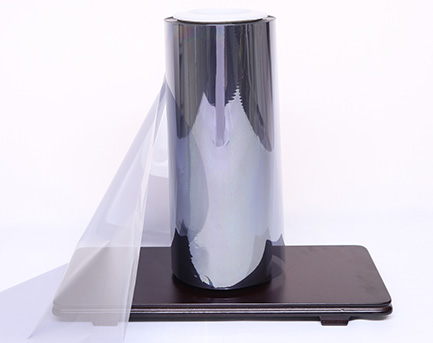
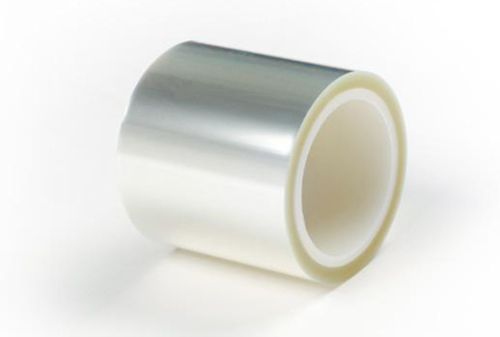
A microwave pouch can look clear and seal correctly at room temperature yet fail after heating because steam, pressure, flexing, adhesive softening, or local seal stress changes the structure. Buyers searching for BOPP AlOx Film for Microwave Packaging are therefore not asking only for transparent barrier. They need a PP-based barrier web that can be printed, laminated, sealed, heated, and handled without losing package integrity. BOPP aluminum oxide film may support that design, but microwave suitability belongs to the completed pouch and food system, not to the base film alone.
What Changes When a Pouch Enters a Microwave
Microwave heating creates a combination of temperature gradients, internal vapor pressure, product movement, and rapid dimensional change. Oil, salt, moisture, fill weight, headspace, vent design, pouch geometry, and heating time all affect the stress on the laminate. A film that performs in a dry barrier test may still wrinkle, whiten, delaminate, or open at a seal during use.
The first specification should define the food, fill temperature, storage period, microwave power, heating duration, venting method, pouch orientation, and expected consumer handling. Without this information, “microwave pouch material” is too broad to guide film selection.
Why a Transparent AlOx Layer Is Considered
A transparent barrier film for microwave packaging avoids the opaque aluminum layer used in foil or metallized structures. The AlOx coating supplies a barrier function while the BOPP substrate supports a PP-oriented construction. This can be relevant when product visibility and PP mono-material packaging are both development goals.
The coating is thin and can be sensitive to creasing or severe mechanical stress. It should be protected inside the laminate and processed with controlled tension, clean rollers, suitable adhesive, and an appropriate cure. The confirmed BOPP AlOx film product page describes the product as a transparent, recyclable high-barrier BOPP option. Grade-specific barrier values and heating suitability still require confirmation.
Place the Barrier Web Where It Can Be Protected
A development structure may use a printable BOPP outer web, BOPP AlOx as the protected barrier layer, and CPP as the sealant. Another design may use the AlOx-coated BOPP as the printing web when the grade and coating orientation allow it. The converter should confirm which surface is coated, treated, printed, and bonded before setting the unwind direction.
Ink, adhesive, and sealant are part of the microwave system. Adhesive selection must account for heat, moisture, product chemistry, cure time, and migration requirements. The sealant must provide the required seal initiation, hot tack, contamination tolerance, and pressure release behavior. A high barrier polypropylene film cannot compensate for an unsuitable seal or vent.
Test Barrier After Heating, Not Only Before
Measure the incoming film as a process-control reference, but base approval on the laminate and finished pouch. Check OTR and WVTR under agreed conditions before conversion, after lamination, after pouch making, and after representative microwave exposure when shelf life depends on retained barrier. Inspect corners, folds, vent zones, and seals rather than testing only a flat central specimen.
Heating trials should record pouch temperature, pressure release, distortion, leakage, delamination, odor, ink change, seal movement, and product-contact observations. Repeat the test across the intended heating range and after storage. If the pack is sold frozen or chilled, include the transition from storage temperature to microwave heating.
Buyer Approval Should Follow the Complete Use Cycle
Request the exact grade, thickness, width, coating side, treated side, recommended adhesive, storage guidance, and current technical data sheet. Confirm whether quoted values are typical or guaranteed and whether they refer to flat film or laminate. Ask for production-width material because narrow laboratory samples do not reveal roll profile, wrinkles, static, or tension behavior.
Approval should reproduce printing, lamination, curing, slitting, pouch making, filling, storage, transport, microwave heating, and opening. A PP-oriented structure should also be assessed against the applicable recycling-design guideline; polymer family alone does not establish recyclability.
Compare the Trial with a Non-Microwave Control
Run the same laminate through storage and distribution without microwave exposure, then compare it with heated samples. This separates conversion or shelf-life defects from heating-related damage. Use identical pouch lots, fill weights, storage conditions, and test methods.
If only heated pouches lose barrier or bond, examine steam paths, venting, local temperature, adhesive softening, and seal pressure. If both groups decline, the main cause may be coating handling, lamination, cure, or pouch conversion rather than microwave use.
FAQ
Can BOPP AlOx film be placed directly against food?
That depends on the selected grade, market, and complete compliance documentation. Most developments protect the functional coating inside a laminate; confirm the intended contact side with the supplier.
Does microwave use guarantee that a metal-free pouch is safe?
No. Metal-free construction removes one concern, but seal behavior, venting, temperature, food chemistry, adhesive, ink, and package geometry still require validation.
Should barrier be measured after microwave heating?
Yes when the package must protect unused product after heating or when heating can damage the coating. The test sequence should match the real use case.
Can BOPP AlOx make the pouch mono-material?
It can support a PP-oriented design, but inks, adhesives, sealants, closures, labels, and local recycling rules must be considered together.
BOPP AlOx Film for Microwave Packaging: Approval Focus
BOPP AlOx Film for Microwave Packaging should be approved as part of a heated food-packaging system. Define the food and heating cycle first, protect the oxide layer in the laminate, and compare barrier, seals, appearance, and pouch integrity before and after microwave exposure.
Related resource: BOPP AlOx guide