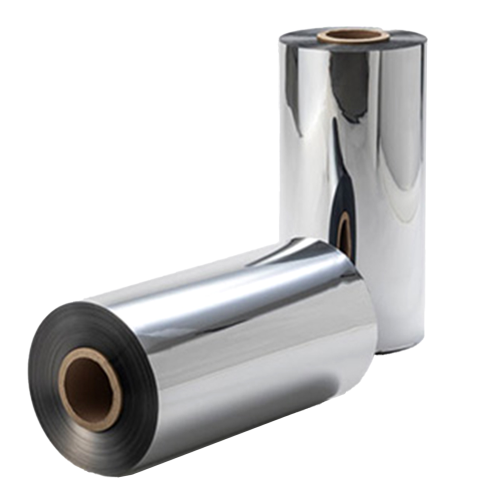
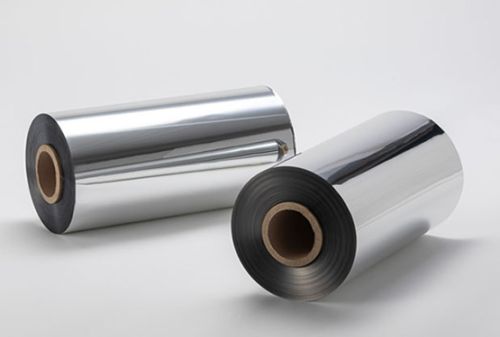
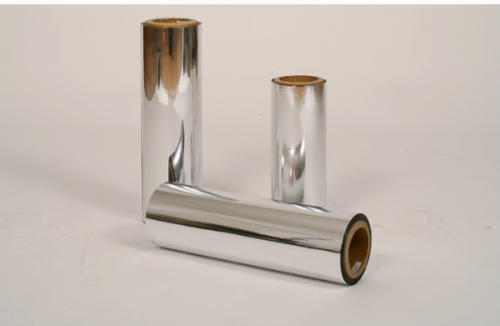
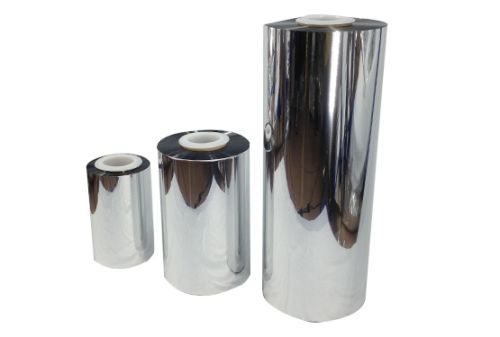
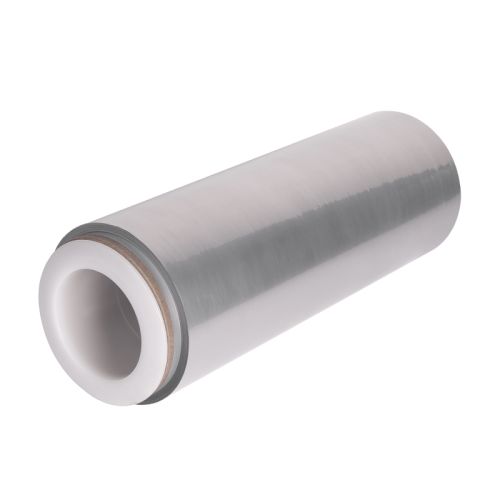
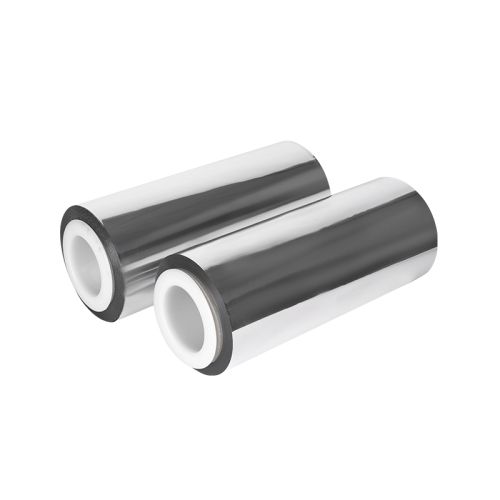
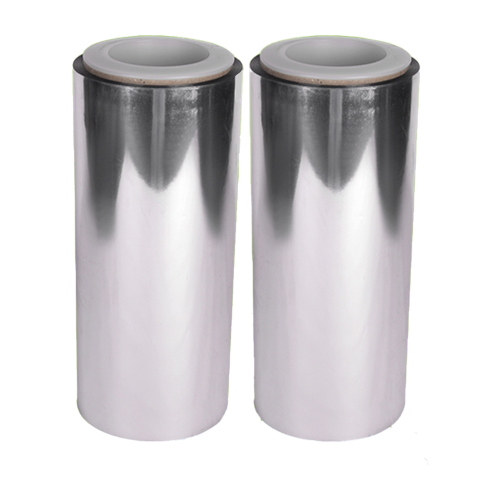
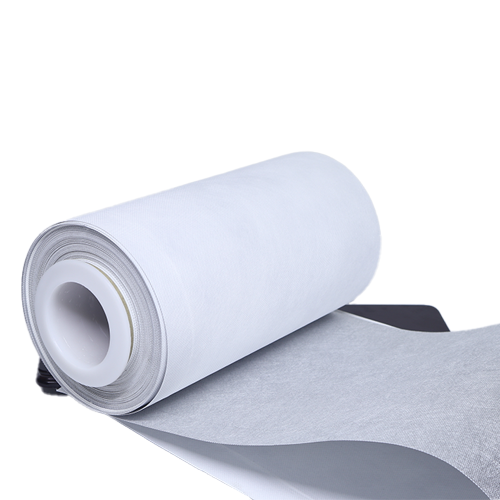
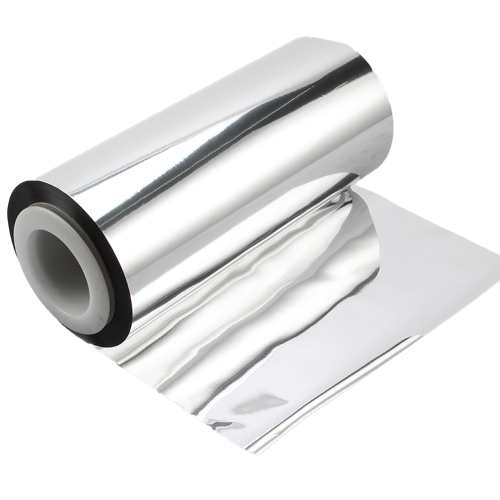
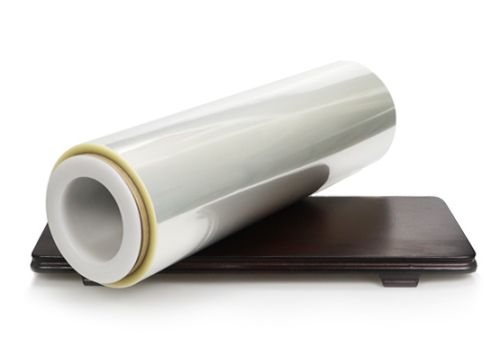
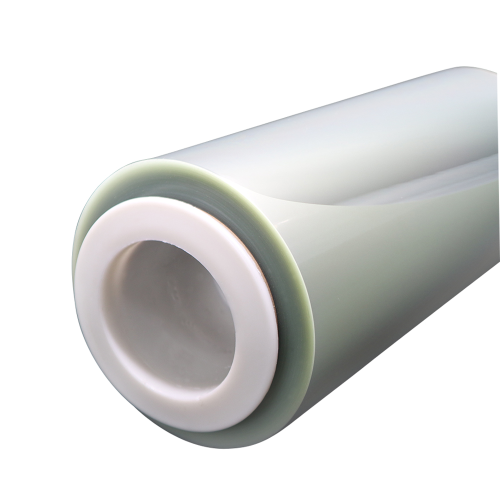
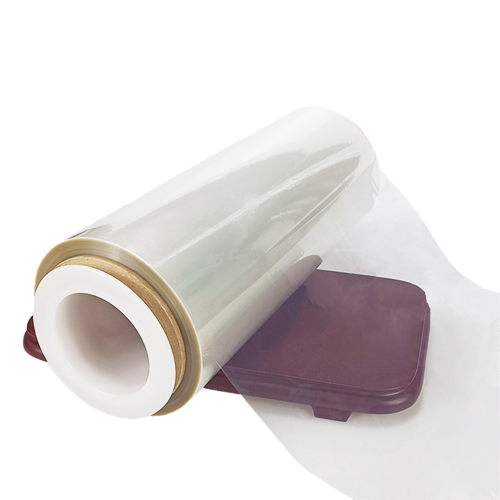
Ink adhesion on PE film can pass an initial tape check and still fail after lamination, slitting, pouch making, or storage. Coated MDOPE Film Printing Adhesion is a specific process question because the printed structure may contain a PE substrate, water-based functional coating, surface treatment, ink, adhesive, and sealant. Any interface can become the weak point. Increasing corona treatment or changing ink without identifying the released layer can create a second problem while leaving the original cause untouched.
Read the Peeled Surfaces Before Changing Materials
Start with failed and acceptable samples from the same production period. Peel the laminate slowly and inspect both sides under controlled lighting. Determine whether the ink released from the coating, the coating separated from MDOPE, the adhesive split internally, or the adhesive released from the sealant. Printed and unprinted areas may fail differently.
Record whether the defect is uniform, edge-related, cross-web, roll-length dependent, or concentrated under heavy ink coverage. Photograph the surfaces and retain samples. A clear interface map is more useful than a general statement such as “poor adhesion.”
Treatment Level Is Only One Part of Ink Wetting
MDOPE printing film needs a surface condition compatible with the selected ink. Treatment can decay during storage, and contamination, slip additives, dust, moisture, or contact with rollers can reduce wetting. However, a higher dyne reading does not prove that the ink chemistry and coating are compatible.
Confirm the printable side, coating side, treatment date, storage condition, and test method. Measure across the web and through the roll rather than at one convenient point. The water-based coated MDOPE film page confirms the product route, but buyers should request grade-specific surface and processing guidance.
Ink Drying and Cure Can Create Delayed Failure
A printed web may feel dry while retaining solvent or water in heavy coverage. Residual material can interfere with adhesive cure, produce odor, increase blocking, or weaken the ink layer after winding. Review ink viscosity, deposit, dryer balance, line speed, web temperature, exhaust, and rewind condition.
Use the real artwork in the trial. Dense colors, white ink, overprint varnish, and reverse-print constructions expose different risks from clear laboratory strips. Test adhesion immediately, after conditioning, after lamination cure, and after the intended aging period. If heat accelerates the failure, separate thermal shrinkage stress from chemical incompatibility.
Mono-PE Packaging Adds a Heat-Window Challenge
Mono-PE packaging printing often replaces a stiffer PET outer web with an oriented PE web. The change affects modulus, heat resistance, tension response, registration, and winding. Printing settings developed for PET should not be transferred automatically. Excessive heat can distort the web; insufficient drying can leave a weak ink or adhesive interface.
A coated PE film for lamination must be evaluated with the actual sealant, adhesive, ink, and machine. Track web tension, nip, curl, wrinkles, print registration, coat weight, cure, and final pouch appearance. The objective is stable converted yield, not only a strong hand peel.
Create a Controlled Root-Cause Matrix
Change one variable at a time where possible: film lot, treatment, cleaning, ink system, primer, deposit, drying, adhesive, coat weight, cure, or aging. Include an approved control film and process condition. Test multiple positions across width and roll length.
For supplier review, request the product code, coating and treatment orientation, storage and shelf-life guidance, thickness and width tolerances, roll construction, and change-control process. Define the adhesion test and acceptance stage in the specification. “Pass after printing” is insufficient if the commercial failure appears only after lamination or aging.
Distinguish Blocking from True Adhesion Failure
Blocking can pull ink or coating from the opposite web surface during unwind and may be mistaken for weak printing adhesion. Review rewind temperature, residual solvent or water, roll pressure, storage time, and slip behavior. Inspect whether transfer matches the opposing surface and whether the defect increases toward the roll core.
Use controlled rewind and aging trials to separate blocking, ink cohesion, coating adhesion, and laminate peel. A lower winding pressure may reduce transfer but create telescoping or poor roll build, so the commercial solution must balance unwind quality and adhesion.
Define an Approval Test that Production Can Repeat
A useful acceptance method needs the same tape, peel angle, dwell, conditioning, printed coverage, and evaluation scale. Quality teams should not compare supplier and converter results generated with different backing films or sample preparation.
Agree on incoming, post-print, post-lamination, and aged checkpoints. The specification should identify which checkpoint controls release and what failure interface is unacceptable.
FAQ
Can additional corona treatment solve coated MDOPE ink release?
It may improve wetting when treatment is low, but it will not correct incompatible ink, contamination, poor drying, coating separation, or adhesive cure.
Why does the printed film pass tape testing but fail after lamination?
Lamination adds adhesive chemistry, nip stress, cure heat, winding pressure, and aging. The weak interface may also move from ink-to-film to ink-to-adhesive.
Should adhesion be tested in printed and clear areas?
Yes. Heavy ink coverage and clear areas represent different interfaces and can produce different peel results.
What information should accompany a complaint sample?
Provide film and ink lots, artwork position, machine settings, drying and cure records, storage history, peel photographs, and retained acceptable material.
Coated MDOPE Film Printing Adhesion: Approval Focus
Coated MDOPE Film Printing Adhesion improves when the converter identifies the released interface, controls surface condition and drying, and judges the material after the full mono-PE printing and lamination process. Supplier and converter should agree on the test stage that represents commercial use.
Related resource: MDOPE mono-PE conversion guide