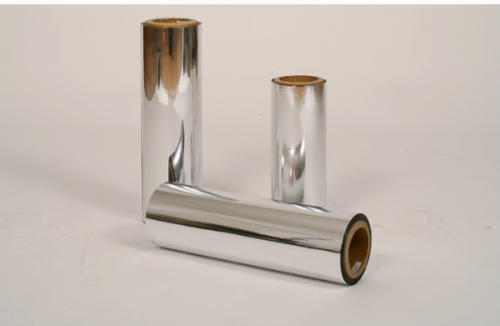
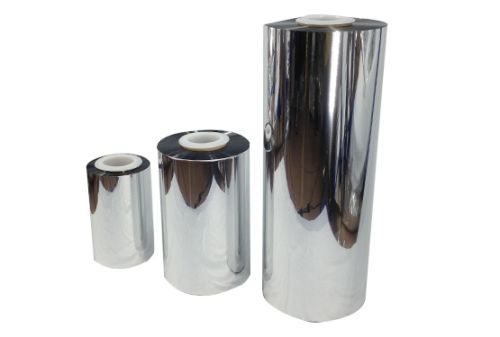
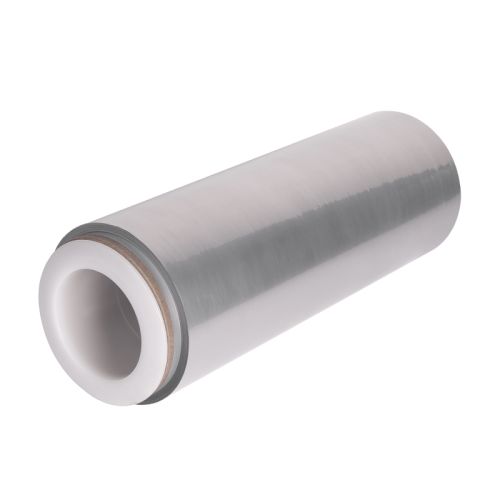
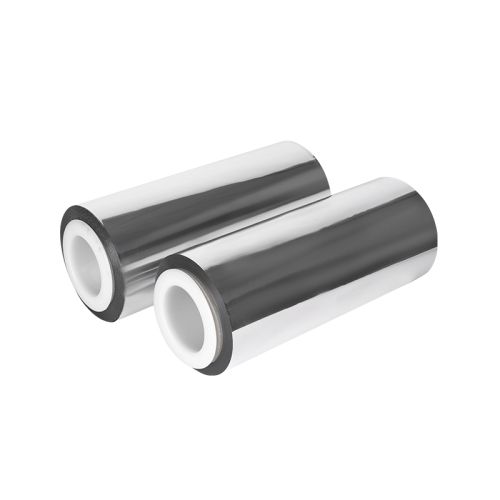
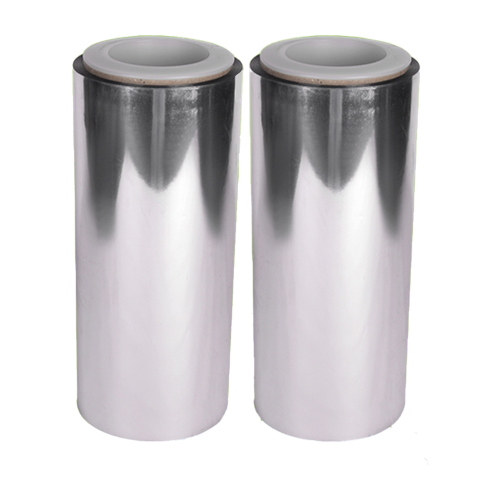
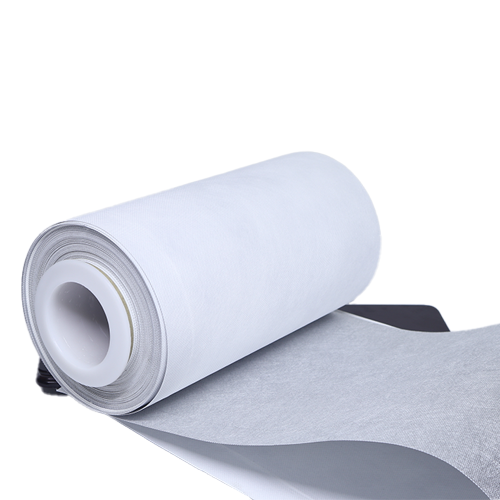
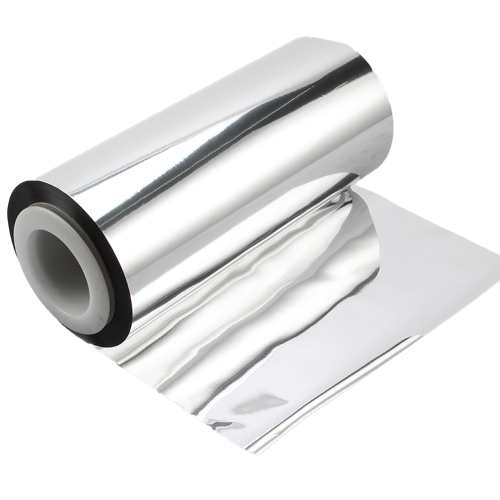
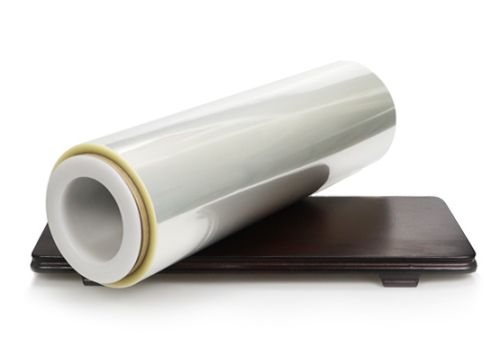
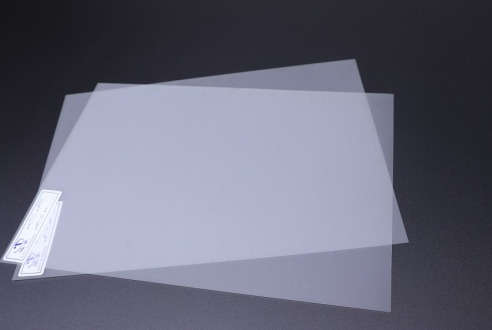
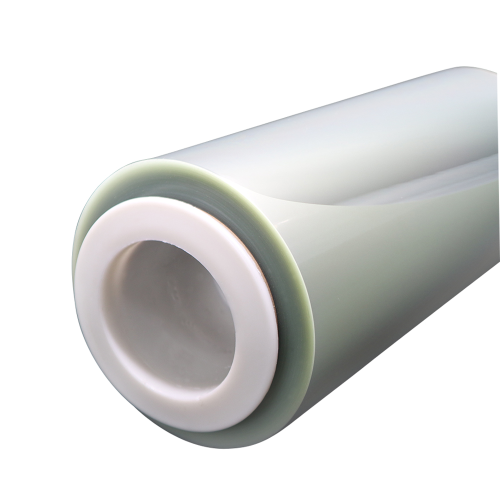
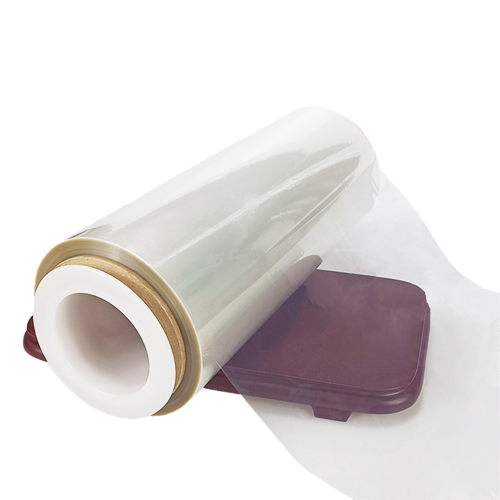
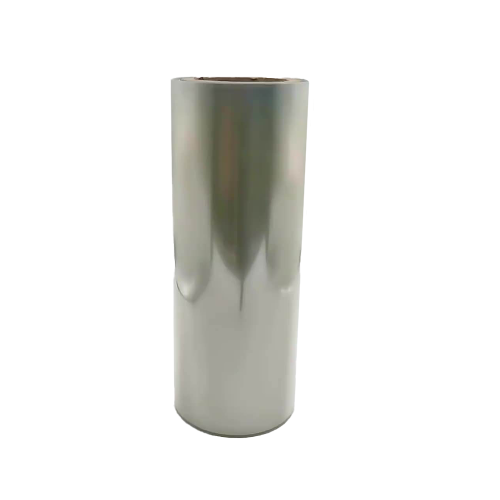
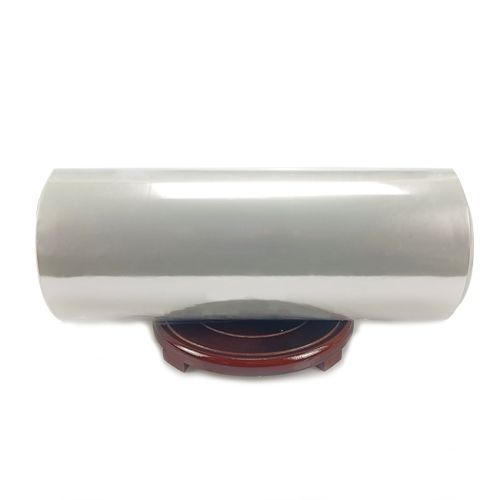
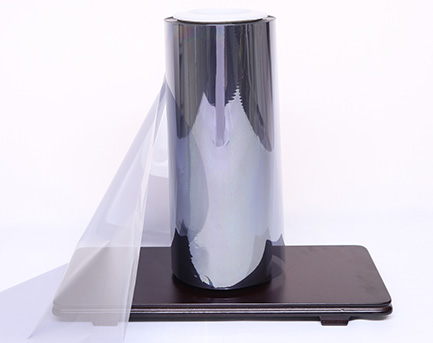
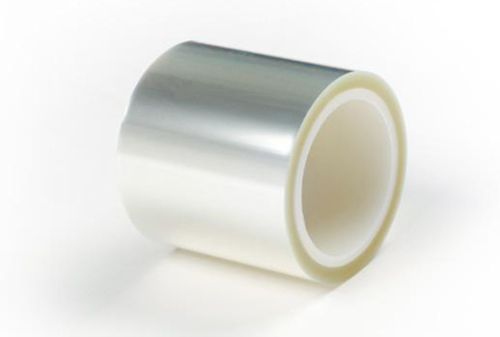
A transparent oxide-coated web may meet its incoming barrier target and still deliver a different result after adhesive coating, nip pressure, curing, slitting and pouch making. PET AlOx Film Barrier After Lamination is therefore a conversion-control question, not simply a film-property question. The buyer’s task is to connect material data with the failure mode that matters in commercial use.
Why Incoming Barrier Is Only a Baseline
The deposited oxide layer is extremely thin. Its continuity provides transparency and barrier, while the PET base supplies dimensional stability and handling. Incoming OTR and WVTR help qualify a roll, but they do not include the mechanical and chemical history of conversion.
How PET AlOx Film Barrier After Lamination Can Change
AlOx film lamination adds tension, roller contact, adhesive wetting, heat and cure shrinkage. Wrinkles, particles, hard nips or sharp bends can create local damage that is not obvious under ordinary lighting. A transparent high barrier laminate should be checked after the stages most likely to change it.
Protect the Oxide Layer During Unwind and Coating
Confirm the coated side, treated side and unwind direction before the roll reaches the machine. Keep rollers clean, avoid unnecessary wrap angles and control tension from start-up through splice and rewind. Protect the functional surface inside the laminate whenever the intended construction allows.
Separate Adhesive Stress from Coating Damage
Adhesive stress on barrier film may develop while the bond cures. Coat weight, solvent or water removal, nip, winding hardness and cure temperature all affect stress transfer. A barrier decline after cure but before pouch making points toward a different cause than damage appearing only after folding.
Measure OTR After Lamination at Defined Stages
OTR after lamination must be measured under agreed temperature, humidity and conditioning. Compare incoming film, cured laminate and converted pouch material using the same method. Record whether specimens came from the center, edge, splice area or a visible defect zone.
Inspect Pouch Folds and Seal Areas
Gussets, corners, zipper zones and tight folds concentrate mechanical strain. Test flat laminate as a process reference, then examine representative pouches after filling, drop, vibration or compression where relevant. Separate seal leakage from transmission through the laminate.
Build a Buyer Approval Sequence
Request the exact grade, thickness, roll width, coating orientation, surface treatment, storage guidance and current technical data. The official product page identifies the transparent AlOx PET route; grade-specific guarantees must remain tied to the supplier document and test conditions.
When to Escalate a Barrier Change
Quarantine related material when results move outside the approved pattern. Verify the method, retest retained specimens and compare adjacent roll positions before assigning cause. Share conversion records and peeled or damaged samples with the supplier rather than relying on one headline number.
Turn the Failure into a Controlled Comparison
Prepare an approved control and the candidate PET AlOx Film under the same conditions. Use material from representative cross-web lanes and more than one roll position. Keep the other films, ink, adhesive, sealant or assembly components constant. Record start-up separately from steady production because tension, temperature and winding can change during stabilization. If a defect appears, photograph its location and retain both sides of any peeled interface. Averages alone can hide a severe local weakness, so report the range and the worst relevant position as well as the mean.
Decision criteria should follow the commercial consequence of incoming transparent barrier film passes inspection, but oxygen protection declines after conversion. Define which result triggers adjustment, quarantine, supplier review or rejection before the trial begins. Repeat any unexpected measurement after checking calibration, conditioning and specimen preparation. When the candidate passes, retain converted samples and the processing record. This evidence makes a later change in film lot, adhesive, machine setting or package geometry easier to isolate and prevents a successful trial from becoming an undocumented one-time result.
Questions for the Supplier and Converter
Before approval, confirm the product identity on the PET AlOx Film product page, then request the current grade document. Agree on sampling, conditioning, units and test methods. Review an additional technical film resource only when it directly supports the selected application. Avoid mixing results from different thicknesses or unreported conditions.
The trial report should state the customer problem—incoming transparent barrier film passes inspection, but oxygen protection declines after conversion. It should also explain the chosen angle: trace barrier loss through handling, adhesive stress, cure and pouch manufacture. This makes the decision useful to purchasing, engineering, quality and the film supplier.
Frequently Asked Questions
Can PET AlOx Film be approved from a supplier datasheet alone?
No. Datasheet values help screening, but approval should use the exact grade, stated methods and the converted structure under representative service conditions.
Should buyers test PET AlOx Film before or after conversion?
Both are useful. Incoming tests establish a baseline; converted-part and finished-package tests reveal damage, interfaces and geometry that flat film data cannot show.
How should typical values be used in a purchase specification?
Treat them as reference information unless the supplier explicitly agrees to a guaranteed limit, test method, conditioning and sampling plan for the exact grade.
What should accompany a production trial?
Record film lot, thickness, roll position, storage, machine settings, other materials, conditioning and the exact acceptance method so results can be reproduced.
Final Selection Focus
PET AlOx Film Barrier After Lamination should be approved through evidence from the real structure and process. Establish an incoming baseline, reproduce conversion and service stresses, investigate local defects, and set limits only where the method and business risk are clear. That approach turns a film comparison into a controlled material decision.