A pouch may pass barrier tests yet fail when a filled pack hits the floor because film toughness, seals, laminate balance and pouch geometry interact.
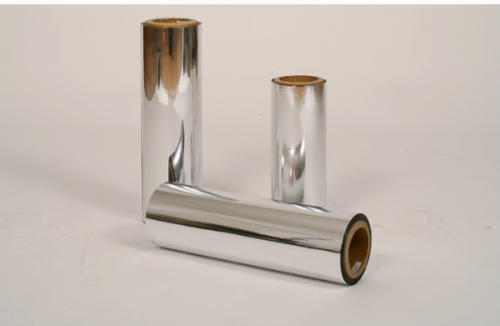
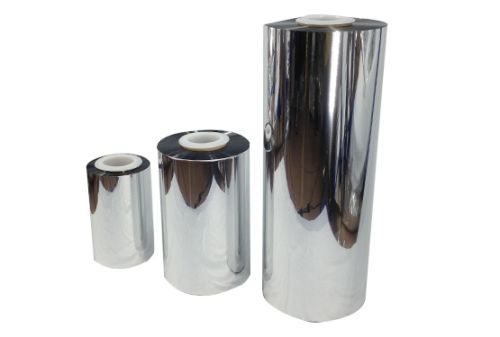
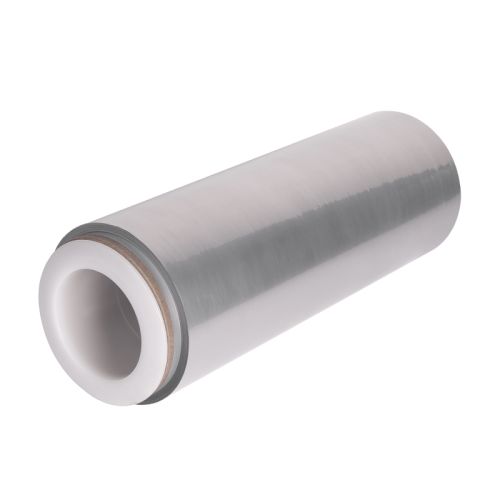
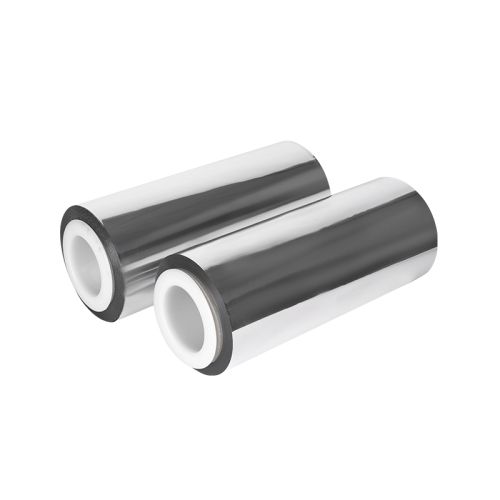
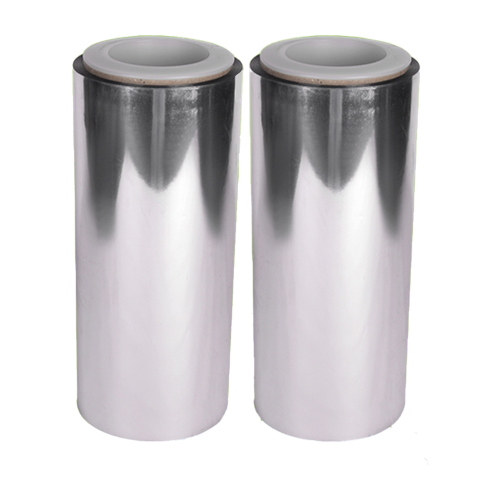
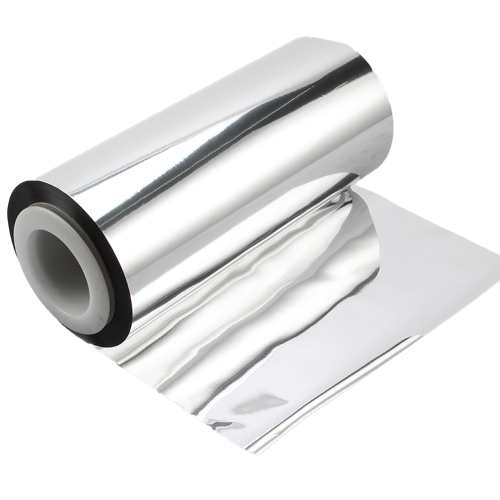
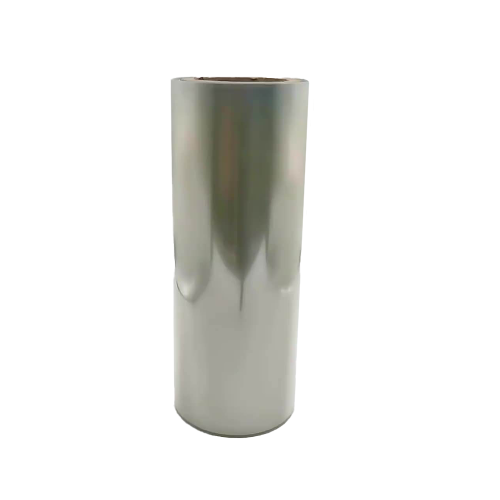
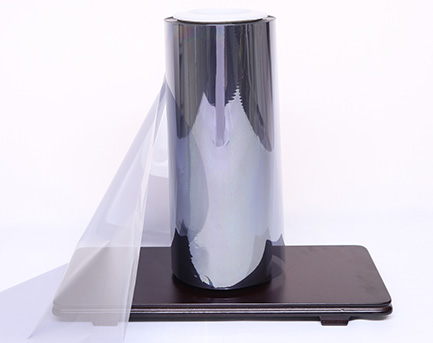
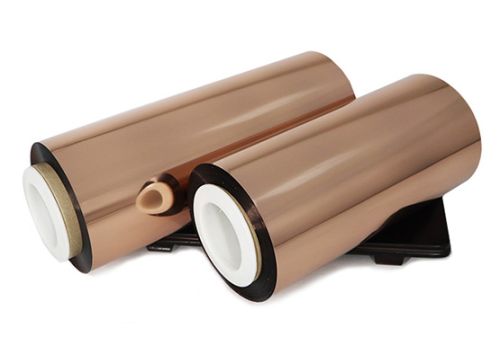
Review the BOPE Metallized Film page, explore the manufacturer website, and compare the related material range before fixing the trial specification.
Start with the exact failure location
Do not describe every failed pouch as weak film. Mark whether rupture began in the seal, folded corner, body panel, zipper area or a puncture from the product. Record drop height, orientation, fill weight, temperature and number of impacts. A seal-channel failure requires a different correction from a crack that starts in a stiff barrier web.
Why MDOPE-based structures can struggle
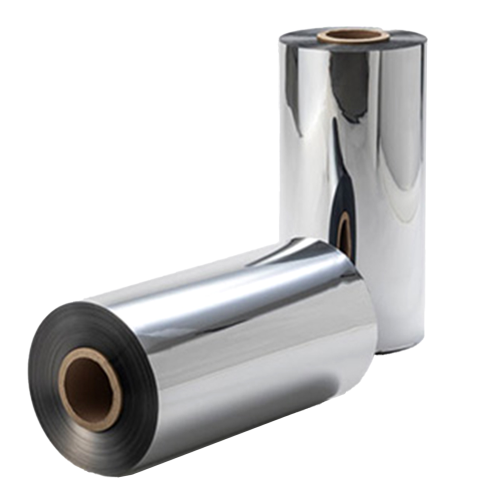
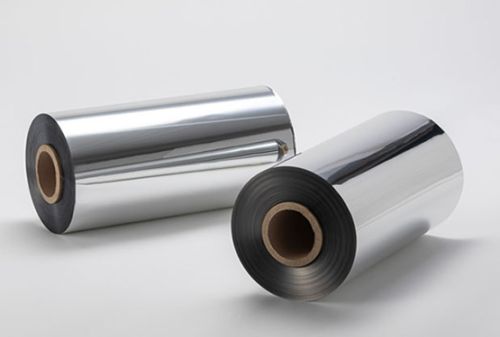
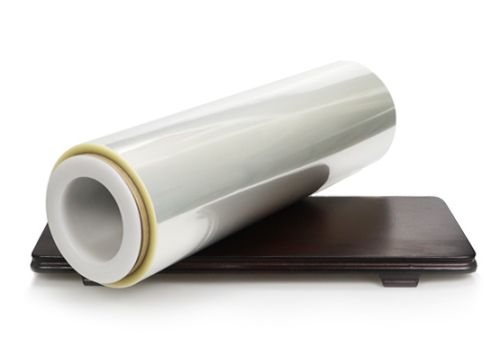
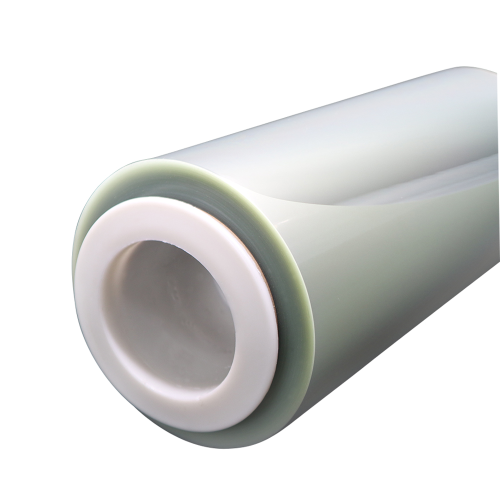
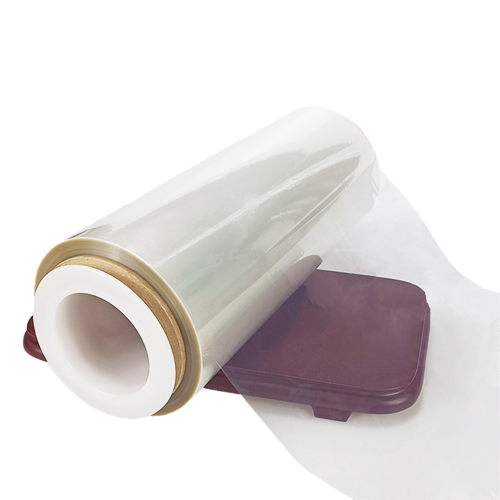
A stiff oriented PE web can support printing and downgauging, but some constructions lose impact tolerance when orientation, metallization, lamination and low-temperature handling combine. Adding thickness may not solve a poor stiffness balance. BOPE offers another PE-family option when the package needs better deformation and toughness while retaining a high-barrier layer.
Where BOPE fits
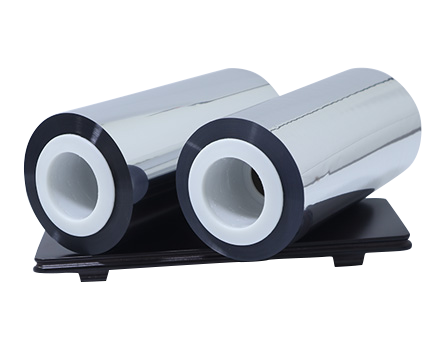
A development structure can use metallized BOPE as the barrier and mechanical web with a compatible PE sealant. The exact laminate depends on fill product, bag size, sealing system and required stiffness. Confirm metal-side orientation and adhesive compatibility. Do not call the package recyclable until the full structure and the target collection stream have been assessed.
Run a useful drop-test comparison
Prepare control and BOPE trial pouches on the same line. Match dimensions, seal settings, fill weight, conditioning and drop sequence. Inspect every failure origin rather than reporting only pass or fail. Add burst, puncture and seal-strength checks to explain the result. Repeat barrier testing after flexing if product shelf life depends on the metallized layer.
Information needed for a BOPE trial
Send the current structure, layer thicknesses, pouch drawing, fill weight, product type, storage temperature and failed-drop photos. State whether the priority is impact strength, mono-PE development, barrier retention or thickness reduction. This lets the supplier recommend a relevant sample instead of assuming that one BOPE grade fixes every package.
Evidence needed before approval
Define the test method, sample preparation, conditioning and acceptance limit before comparing materials. Ask whether each reported value comes from an untouched film, a converted laminate or a finished component. These are different evidence levels. Repeat the most important tests after the process steps that can damage or change the material. Include samples from the beginning, middle and end of a representative roll or production run. Record failures as well as averages, because an isolated weak location can matter more than a strong mean value in demanding applications.
Do not add unsupported specifications simply to make the purchasing document look complete. Use confirmed supplier data where available, and mark package-level or assembled-part requirements as customer validation. If a property such as barrier, dielectric behavior, adhesion or dimensional stability is critical, state the temperature, humidity, frequency, direction, thickness and other test conditions that affect interpretation. This makes quotations comparable and reduces disputes after the first production trial.
Keep a control made from the current approved material and process it beside the new candidate whenever possible. Label every sample with the material lot, machine, date and process settings. A side-by-side control shows whether a change comes from the new film or from ordinary production variation. Review the result with production, quality and purchasing teams before changing the specification. Record the final reason for selection, open risks and responsible owner for each remaining test. Preserve these detailed records for repeat orders, supplier reviews, future scale-up decisions and later process changes.
Before full production, confirm incoming inspection items and the response plan for an out-of-specification result. Define who reviews the evidence, whether material is quarantined and which retained sample will be used. Clear responsibilities prevent a technical concern from becoming an uncontrolled production delay and give both buyer and supplier a practical route for corrective action.
Commercial next step
Send the current material or structure, target thickness and width, annual demand, delivery destination, process conditions and test requirements. Include failed samples, photographs or drawings when troubleshooting. Ask for a project-specific sample and quotation rather than a general catalogue request.
Agree on the trial quantity, decision date, responsible test laboratory and production scale-up route. Keep lot identity and process records from sampling through approval. This gives the supplier enough information to support a real sourcing decision and helps the buyer compare total conversion risk, not only unit price.
Frequently asked questions
Can BOPE guarantee a drop-test pass?
No. Film selection can improve toughness, but seals, pouch geometry, filling, conditioning and test method also control the result.
Should the trial use thicker film?
Not automatically. Compare structures at the required total performance and isolate the effect of thickness from the effect of polymer orientation and laminate balance.
Why test barrier after dropping?
An intact-looking pouch can contain flex damage or metal-layer cracks that reduce protection during storage.
What should buyers include in an inquiry?
Provide the existing structure, package size, fill weight, drop protocol, failure location, annual demand and destination.
Discuss your project
Contact the technical sales team with your application, current problem and planned volume. A focused inquiry allows the supplier to recommend a relevant film grade, prepare sample dimensions and identify the validation work still required.