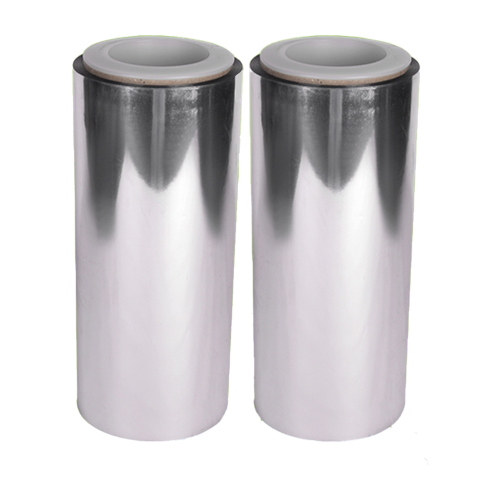
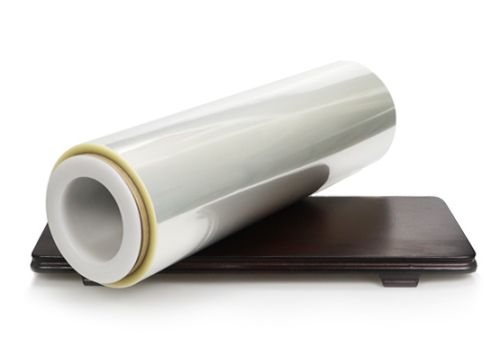
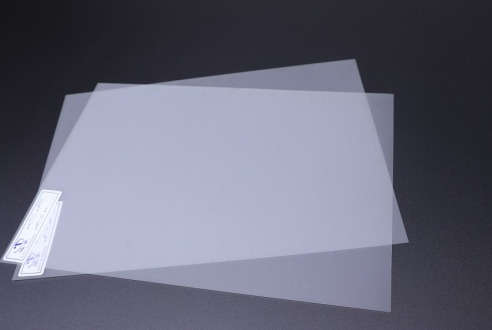
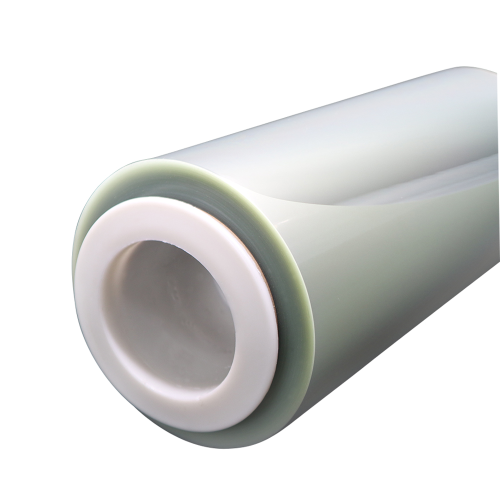
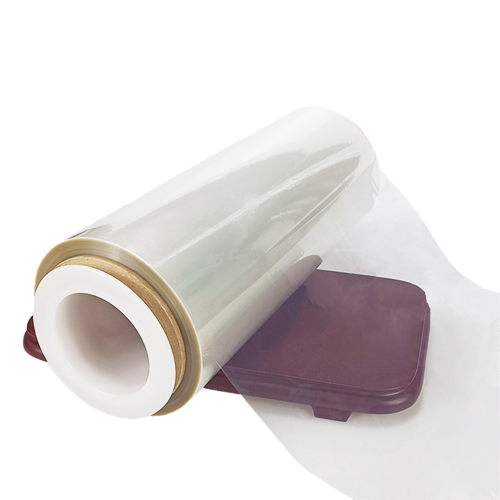
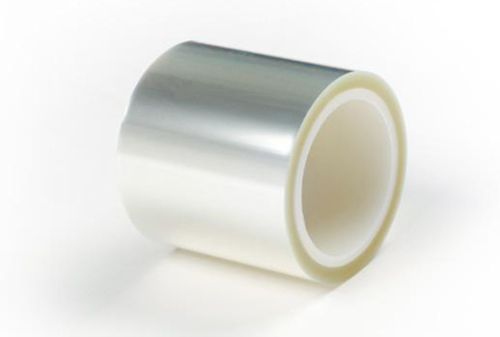
Mono-PE projects often need more barrier than ordinary PE provides, but transparent and metallized solutions solve different brand and product requirements.
Review the MDOPE Barrier Film page, explore the manufacturer website, and compare the related material range before fixing the trial specification.
Choose visibility or light exclusion first
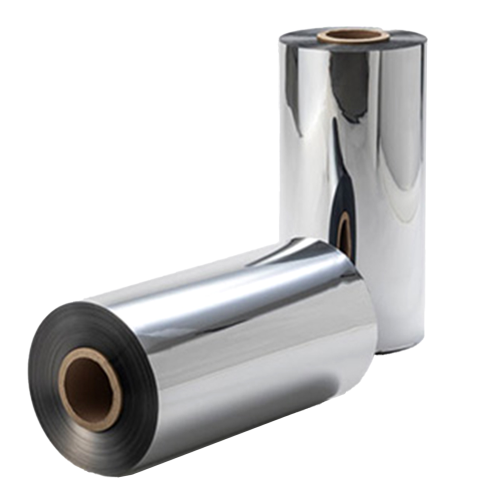
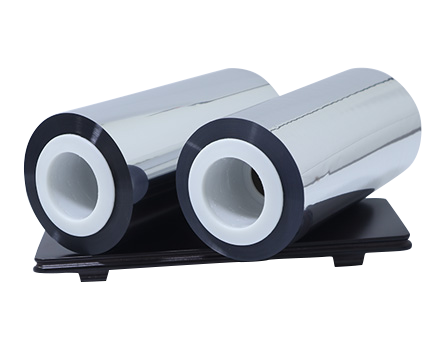
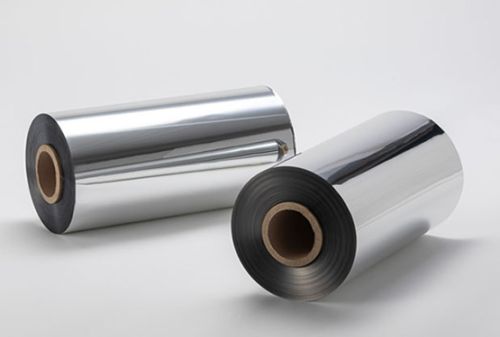
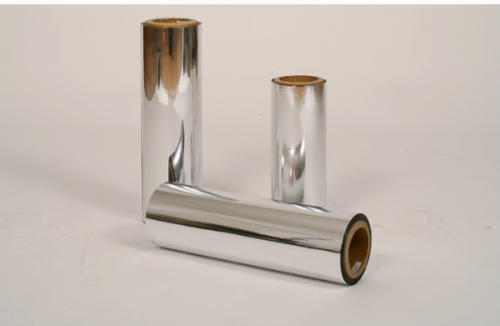
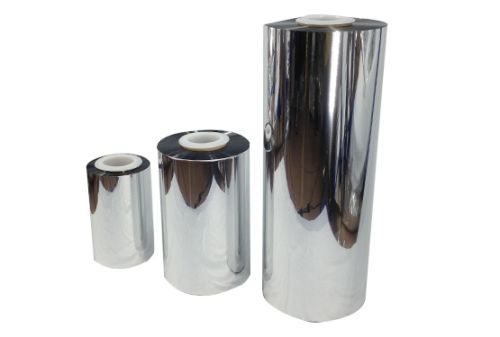
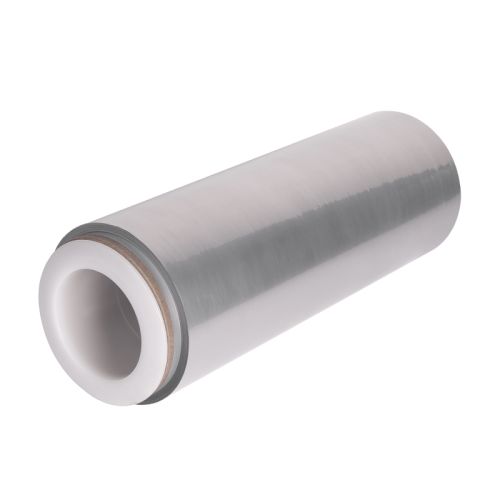
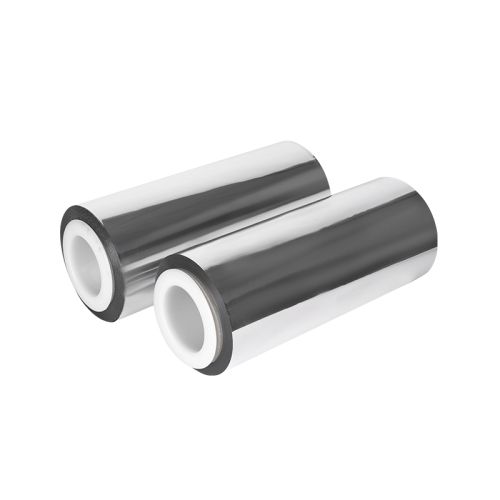
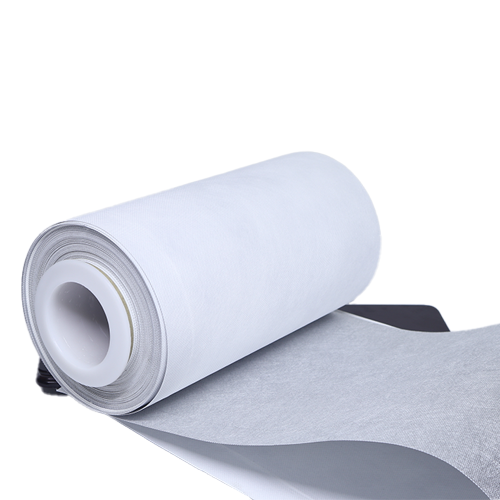
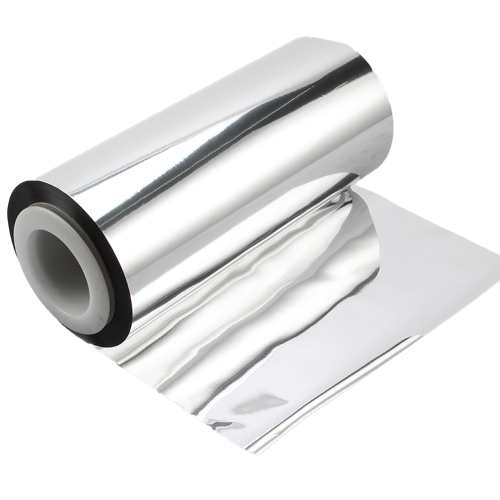
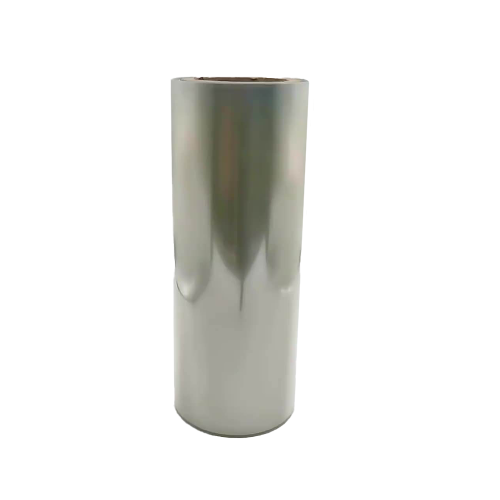
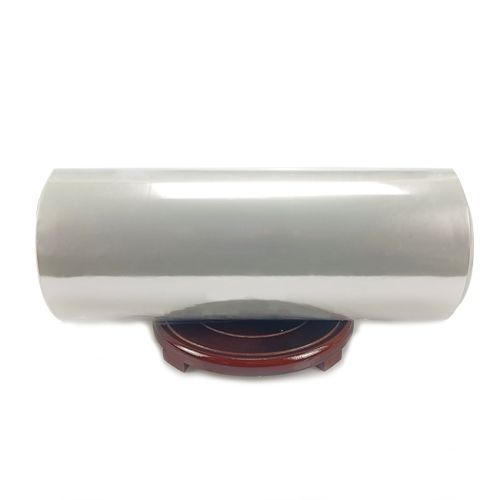
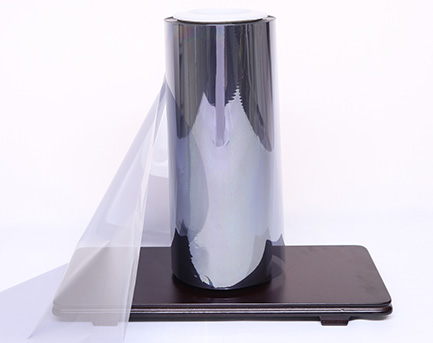
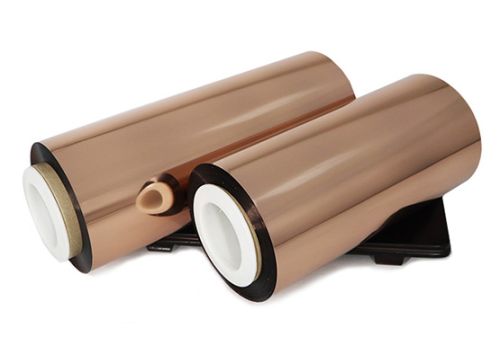
Transparent coated MDOPE can support a clear pack or inspection window. Metallized MDOPE blocks product visibility and may add light protection and a metallic appearance. This first decision often removes half the options. A brand that needs to show the contents should not specify metallized film only because its barrier headline looks stronger.
Compare barrier under realistic stress
Barrier values need test conditions, coating identity and sample history. Transparent coatings and thin metal layers can both be affected by folding, web contact, adhesive stress and pouch formation. Ask for confirmed film data, then test the laminate after the same conversion and flex sequence. A roll-level comparison cannot predict every package corner.
Printing and lamination are different projects
Coating side, metal side, treatment and ink or adhesive chemistry must be clear before the press trial. Transparent structures expose haze, streaks and registration more easily. Metallized structures may reveal metal pick-off or weak adhesion. Keep drying, coat weight, nip pressure and cure records so interface failures can be located.
Structure options for PE-oriented packaging
Both routes can be combined with PE sealants, but the number of layers depends on print protection, stiffness, sealing and mechanical risk. The phrase mono-PE describes polymer direction, not automatic recyclability. Adhesives, coatings, inks, valves and local recycling rules remain part of the final assessment.
A decision matrix for purchasing
Choose transparent coated MDOPE when product visibility and a clear appearance lead. Choose metallized MDOPE when opacity, light protection or metallic presentation matters. In both cases, compare barrier retention, seal window, drop performance, printing yield and total laminate cost. Request trial rolls only after these decision criteria are written.
Evidence needed before approval
Define the test method, sample preparation, conditioning and acceptance limit before comparing materials. Ask whether each reported value comes from an untouched film, a converted laminate or a finished component. These are different evidence levels. Repeat the most important tests after the process steps that can damage or change the material. Include samples from the beginning, middle and end of a representative roll or production run. Record failures as well as averages, because an isolated weak location can matter more than a strong mean value in demanding applications.
Do not add unsupported specifications simply to make the purchasing document look complete. Use confirmed supplier data where available, and mark package-level or assembled-part requirements as customer validation. If a property such as barrier, dielectric behavior, adhesion or dimensional stability is critical, state the temperature, humidity, frequency, direction, thickness and other test conditions that affect interpretation. This makes quotations comparable and reduces disputes after the first production trial.
Keep a control made from the current approved material and process it beside the new candidate whenever possible. Label every sample with the material lot, machine, date and process settings. A side-by-side control shows whether a change comes from the new film or from ordinary production variation. Review the result with production, quality and purchasing teams before changing the specification. Record the final reason for selection, open risks and responsible owner for each remaining test. Preserve these detailed records for repeat orders, supplier reviews, future scale-up decisions and later process changes.
Before full production, confirm incoming inspection items and the response plan for an out-of-specification result. Define who reviews the evidence, whether material is quarantined and which retained sample will be used. Clear responsibilities prevent a technical concern from becoming an uncontrolled production delay and give both buyer and supplier a practical route for corrective action.
Commercial next step
Send the current material or structure, target thickness and width, annual demand, delivery destination, process conditions and test requirements. Include failed samples, photographs or drawings when troubleshooting. Ask for a project-specific sample and quotation rather than a general catalogue request.
Agree on the trial quantity, decision date, responsible test laboratory and production scale-up route. Keep lot identity and process records from sampling through approval. This gives the supplier enough information to support a real sourcing decision and helps the buyer compare total conversion risk, not only unit price.
Frequently asked questions
Is coated MDOPE always transparent?
Confirm the exact coating and optical data for the offered grade. Transparency should be evaluated on the final laminate.
Does metallized MDOPE replace foil?
It may be evaluated as an alternative in some structures, but equivalence must be proven for barrier, flexing, light protection and shelf life.
Can either film make a pack recyclable?
No single film proves recyclability. Review the complete package against the applicable market guidance.
What is the best first trial?
Use one product, one pouch format and controlled structures that differ mainly in the selected barrier web.
Discuss your project
Contact the technical sales team with your application, current problem and planned volume. A focused inquiry allows the supplier to recommend a relevant film grade, prepare sample dimensions and identify the validation work still required.