Snack brands want shoppers to see the product, but clear packaging must still prevent oxidation, moisture-driven texture change and aroma loss.
Review the PET AlOx Film page, the manufacturer website and the related product range near the start of the project. These pages support selection, while the finished package or component must pass the customer’s own validation.
Why clear snack packs often underperform
Nuts, crackers, dried fruit and seasoned snacks do not fail for the same reason. Fat-rich products can oxidize, crisp products can absorb moisture, and strongly seasoned products can lose aroma or transfer odor. A clear pouch should therefore be selected from the product’s dominant shelf-life risk, not from appearance alone.
What PET AlOx changes
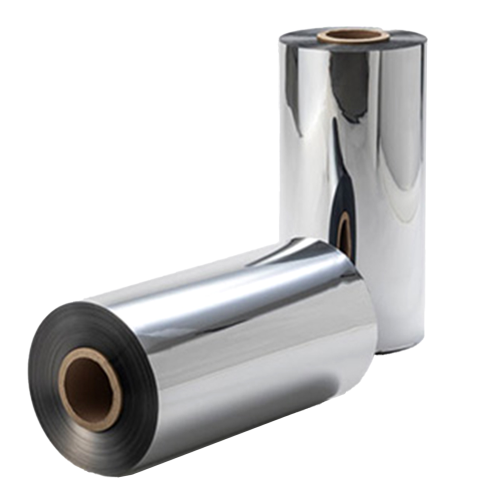
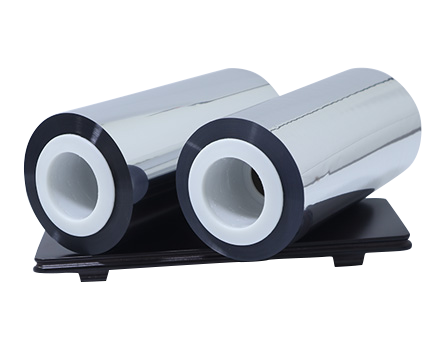
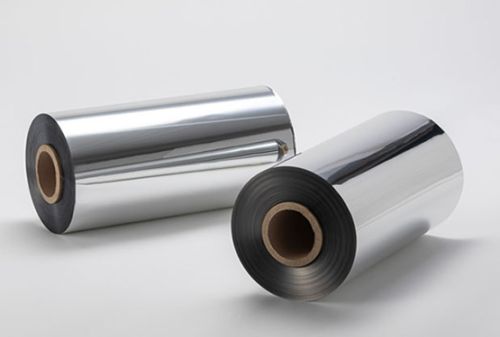
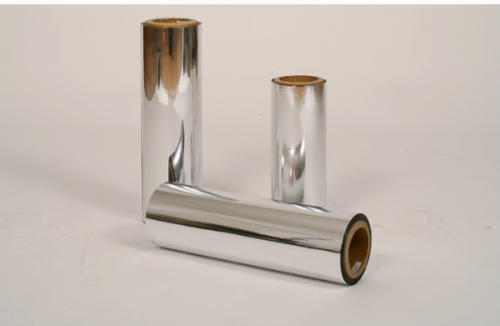
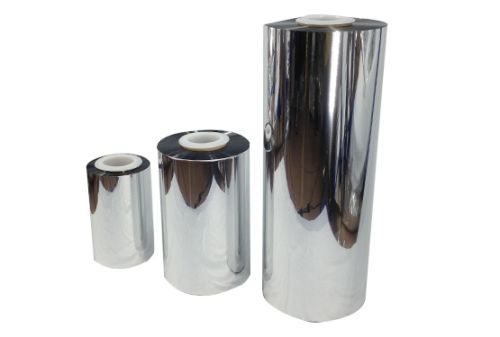
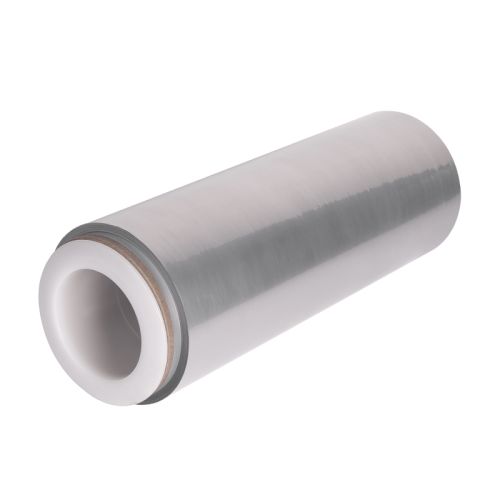
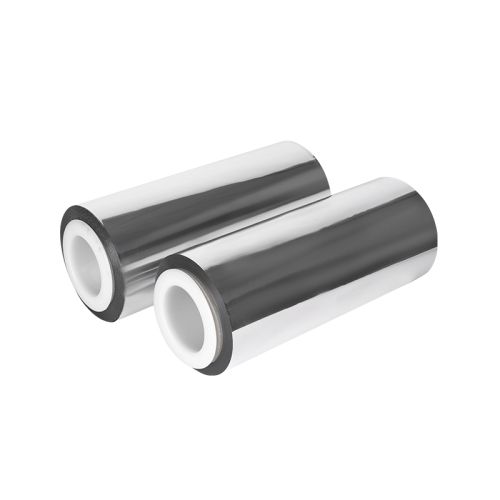
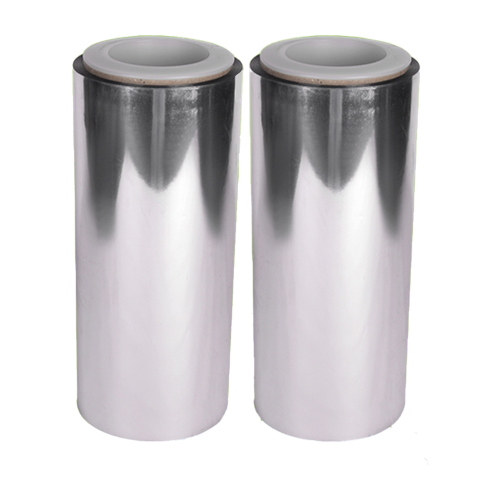
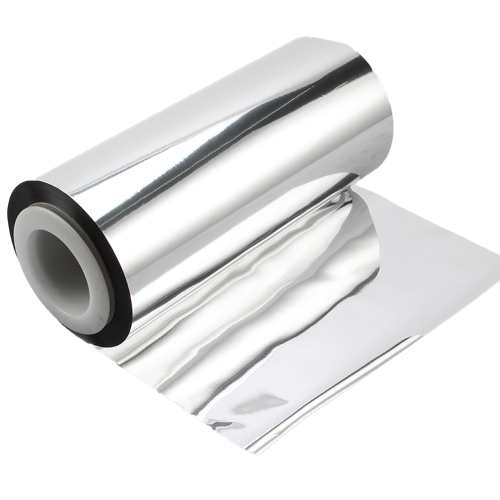
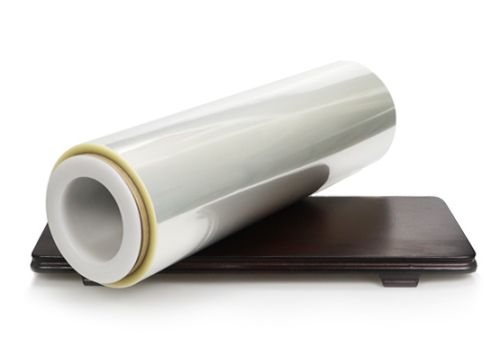
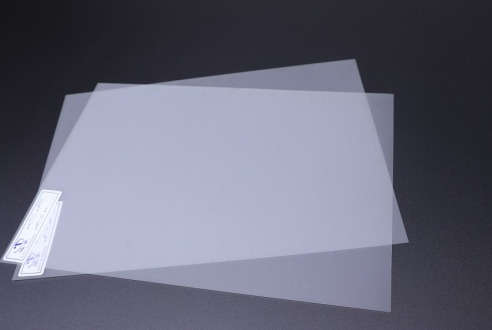
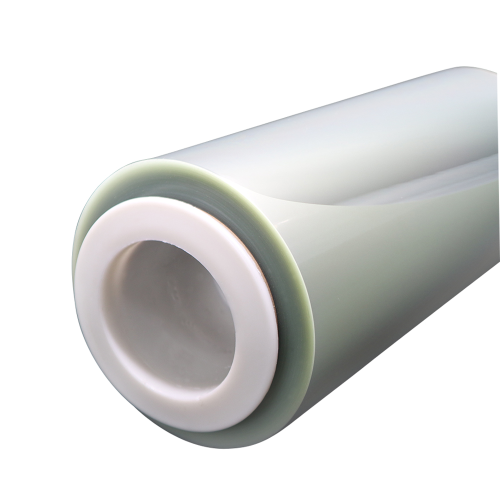
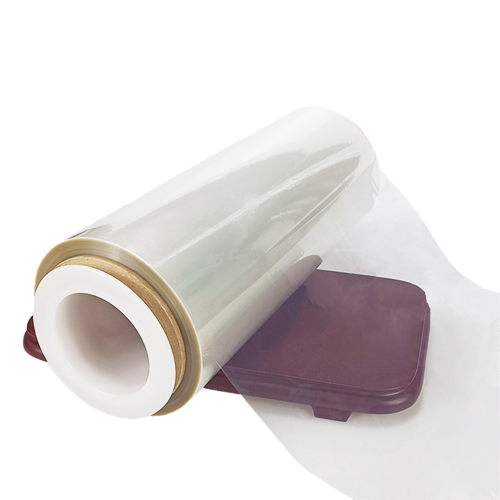
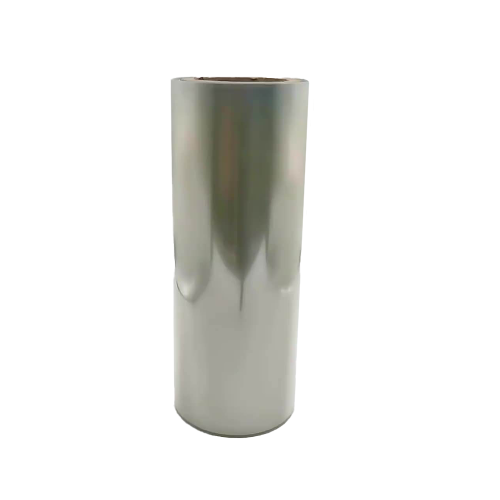
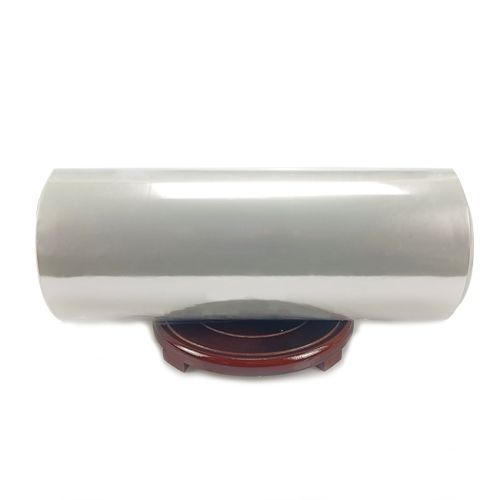
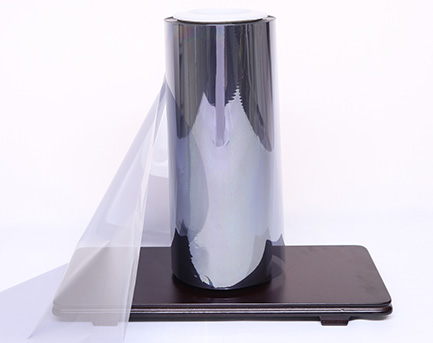
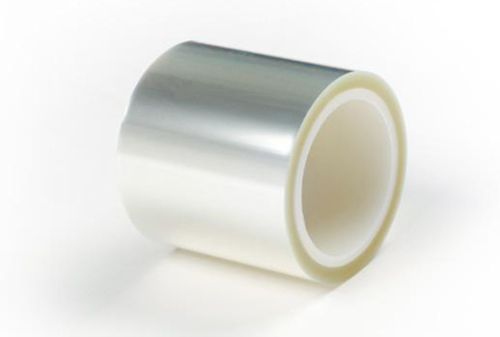
PET AlOx combines a transparent PET base with an oxide barrier layer. It can give brands a clear alternative to opaque foil or conventional metallized webs when visibility matters. The value is conditional: the coating must remain intact through printing, lamination, slitting and pouch making, and the sealant must match the snack and filling line.
Structure decisions for the packaging buyer
A common development route uses PET AlOx as the clear barrier web and a separate sealant layer for sealing and mechanical protection. The exact structure depends on pouch size, product edges, gas flushing, zipper design and distribution. Clear film does not remove the need for light protection if the snack is light-sensitive.
How a brand should test the pack
Compare the current package and trial package with the same product, fill weight, headspace and storage conditions. Measure relevant barrier properties after conversion, then monitor flavor, color, crispness, seal integrity and appearance during the brand’s shelf-life study. Include transport simulation and pouch flexing before storage.
What to send when requesting samples
Provide the snack type, current laminate, target shelf life, pouch size, sealing method, printing area, transparency requirement and annual demand. State whether the project is a new launch, a foil-replacement program or a response to complaints. This information allows a focused material recommendation and quotation.
Evidence before a purchase decision
Define test conditions, sample preparation and acceptance criteria before comparing suppliers. Distinguish base-film data from converted-structure and finished-product results. Repeat critical measurements after printing, lamination, forming, sealing, sterilization, metallization or assembly when those steps can change performance. Keep a current approved control beside the candidate material.
Record grade, thickness, lot, orientation, machine settings and sample location. Include failures and variation, not only the best result. Do not invent performance values, certifications or shelf-life improvements. Use confirmed supplier data and clearly assign final-product validation to the brand or equipment owner.
Approval gates for the customer team
Separate the project into material screening, conversion trial, finished-product testing and commercial approval. Engineering should confirm functional performance. Production should confirm the operating window and usable yield. Quality should define incoming checks, retained samples and nonconformance handling. Purchasing should confirm volume, lead time, packaging, logistics and change notification. Marketing or product management should approve appearance and any environmental claim. A project should not move to volume simply because one department likes the first sample.
Document the current approved construction as the control. Process it beside the candidate whenever possible and compare results under the same conditions. If the new material needs different machine settings, record the reason and prove that the adjusted window is stable. Keep samples from early, middle and later production. This approach reveals variation and makes the final decision easier to defend during customer audits, complaint investigations and repeat orders. Assign an owner and deadline to every open test so unresolved risks remain visible before the final production purchase order is released and scheduled. Review the remaining risks during the first production run and close them only when evidence from representative production output fully supports the documented sourcing decision.
Move from interest to a quotation
Send the application, current material, required dimensions, annual volume, destination, project schedule and test plan. State the business reason for changing material and attach drawings, failed samples or package structures when available. Ask for a project-specific sample, commercial terms and technical review.
Agree on pilot quantity, decision date, production scale-up and change-control expectations. Evaluate total usable yield, qualification effort, downtime and supply reliability alongside unit price. This turns a general product inquiry into a sourcing project that both sides can support.
Frequently asked questions
Can PET AlOx make every snack pouch transparent?
Only if the product can tolerate the resulting light exposure and the complete clear laminate meets barrier and shelf-life needs.
Is roll-level barrier data enough?
No. The converted laminate and finished pouch should be tested after realistic handling.
Can this film replace aluminum foil?
It can be evaluated for some projects, but equivalence must be proven for the specific product and package.
Who should approve shelf life?
The brand owner should approve shelf life using the actual product, structure and storage protocol.
Discuss your application
Contact the technical sales team with your project details and expected demand. The supplier can then recommend a relevant grade, sample width or sheet size and the validation information required before production approval.