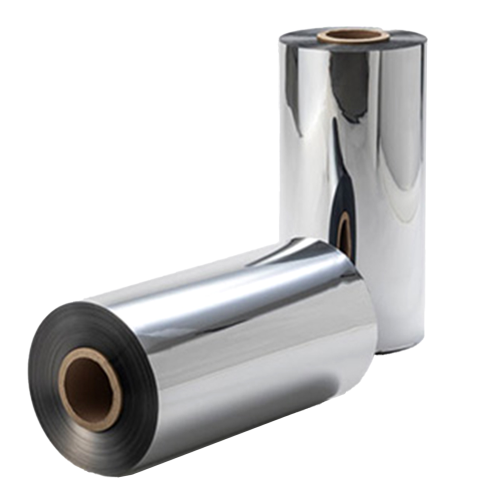
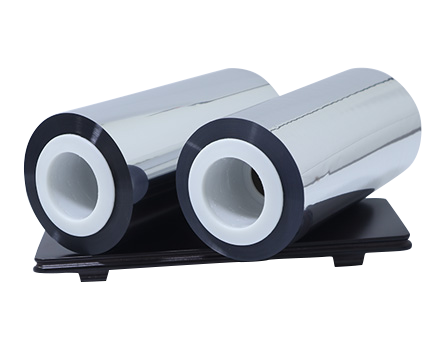
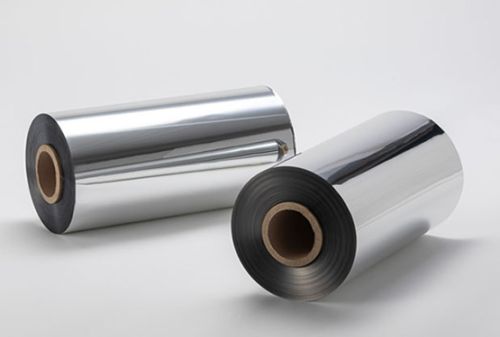
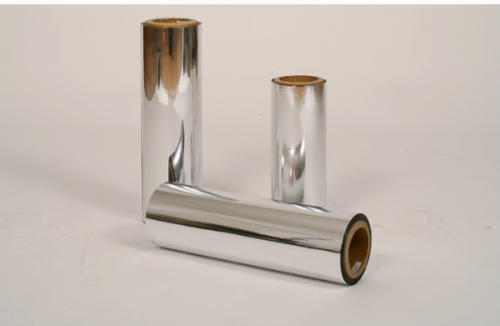
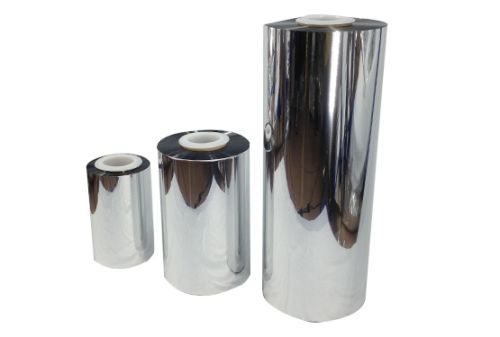
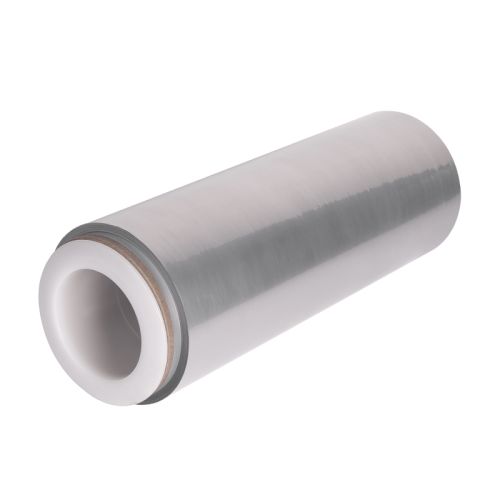
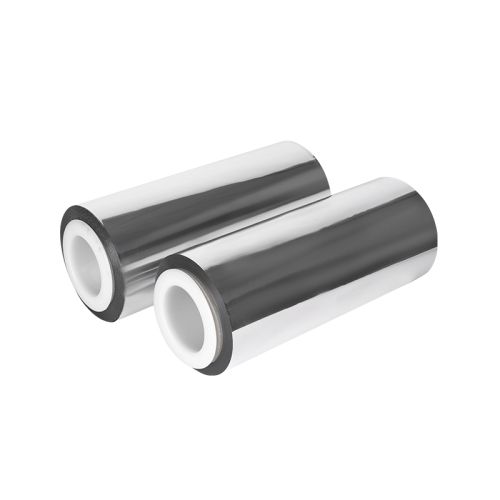
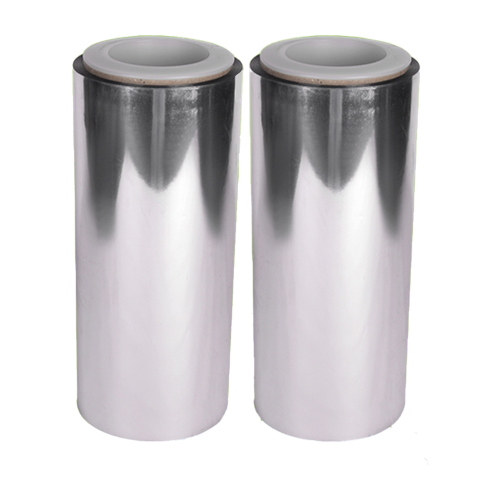
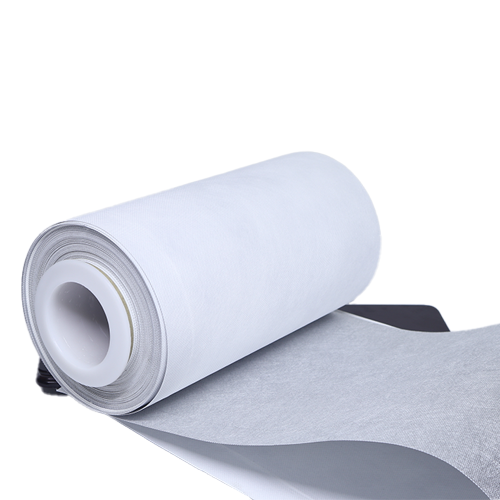
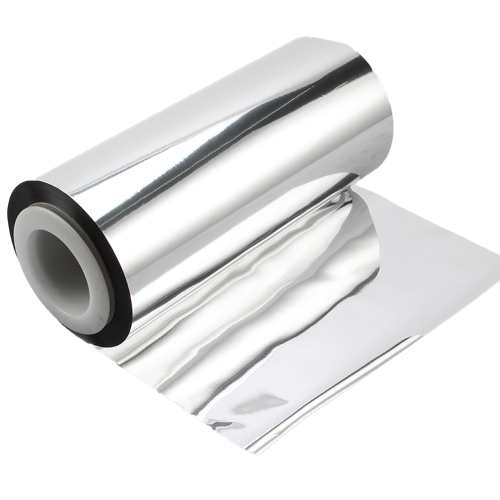
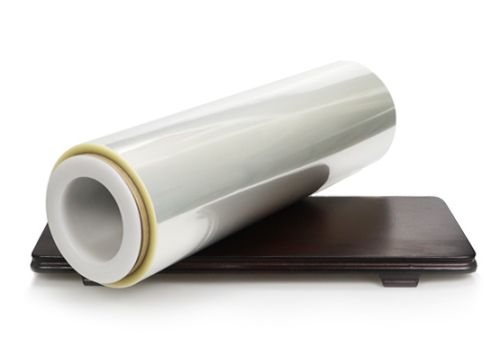
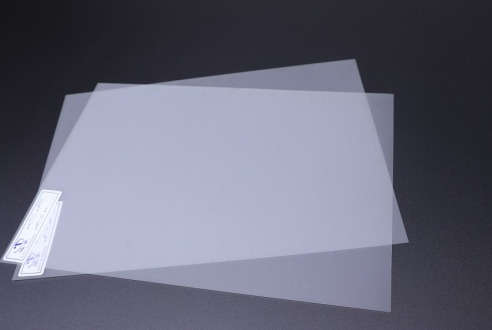
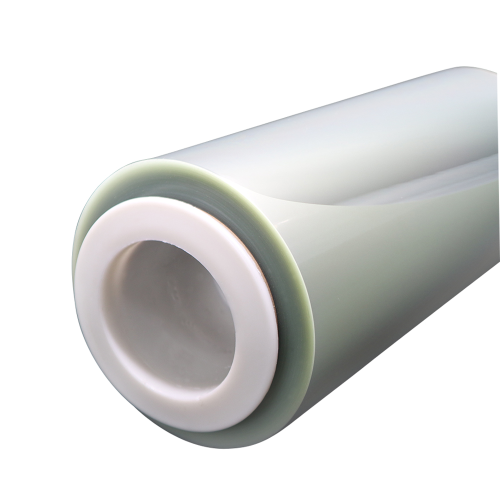
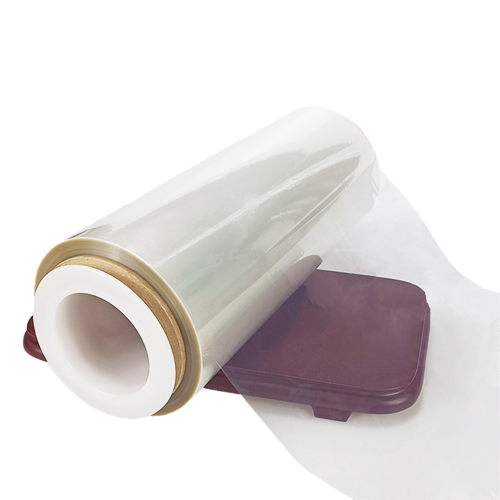
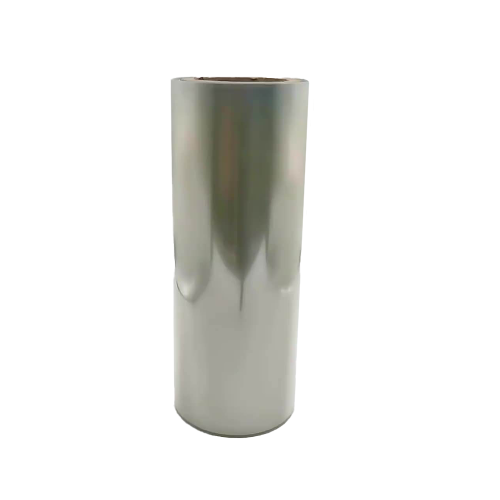
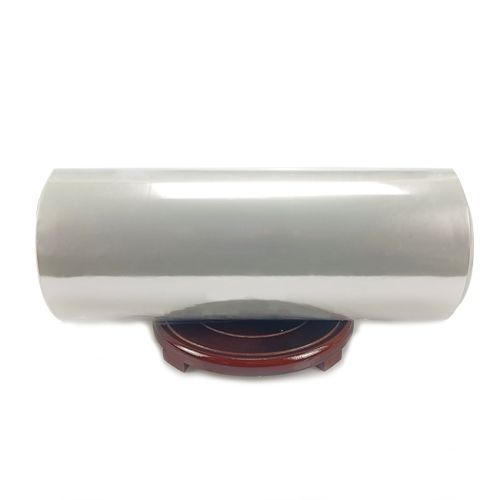
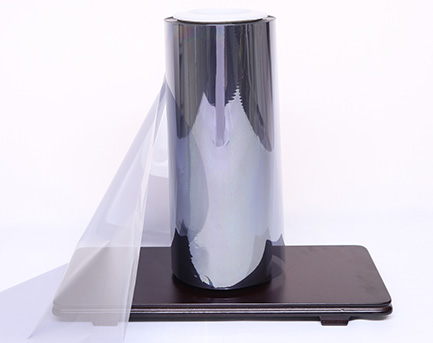
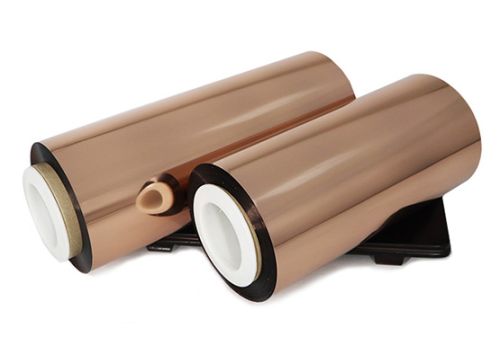
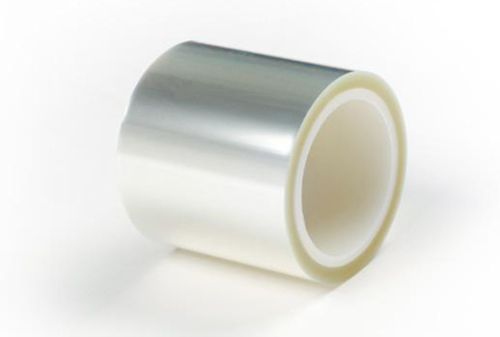
PET AlOx Film buyers often reach the wrong grade decision when they treat “coated” and “uncoated” as a simple price choice. The more useful question is what the oxide surface must survive: direct printing, adhesive contact, web handling, pasteurization, retort or repeated flexing inside the finished laminate.
An AlOx Film Supplier should receive the process sequence before recommending a grade. A transparent barrier web that performs well in a dry laminate may require a different surface design when it faces wet heat, aggressive contents or direct ink contact. The package structure therefore comes before the grade name.
What the Coating Changes
The transparent aluminum-oxide layer supplies the barrier function, but it is also a delicate interface. A top coating can be used to protect that interface or create a more suitable printing and laminating surface. An uncoated grade leaves the AlOx surface more directly exposed to the chosen ink, adhesive and mechanical handling conditions.
Cailong’s product range separates uncoated, top-coated and retort-coating series. That classification is useful because the converter can match the surface design to the actual exposure. It does not mean every coated grade is interchangeable or that a coating automatically approves the film for every heat process.
When an Uncoated PET AlOx Film May Fit
An uncoated film can enter evaluation when the oxide side will be protected promptly inside a well-controlled laminate and the process does not demand a special protective surface. The converter still needs to identify which side receives adhesive, how web tension is managed and whether rollers or guides contact the barrier surface.
One possible construction is PET AlOx / adhesive / PE or CPP, with the sealant selected around filling temperature, product contact and seal requirements. If the AlOx web is printed, ink adhesion, drying temperature and subsequent bond development need separate approval. A clear appearance on the day of lamination does not prove barrier retention after pouch making.
When a Coated Grade Deserves Testing
A coated PET AlOx film becomes relevant when the project needs a defined print surface, additional protection for the oxide layer or a grade designed for a specified wet-heat process. Cailong lists separate top-coated and retort-coating series, so the enquiry should state whether the package is ambient-filled, pasteurized, boiled or retorted.
Do not qualify the word “retortable” in isolation. Record temperature, time, pressure, product acidity, oil content, headspace, pouch size and cooling method. The adhesive, sealant, ink and pouch geometry may fail even when the barrier web itself was selected from a retort series.
Compare the Interface, Not Just Initial OTR
Incoming OTR and WVTR describe only the sample and test conditions reported. A useful comparison measures the same properties after printing, adhesive cure, pouch conversion and the intended thermal cycle. Bond strength should be checked at the actual film-to-adhesive interface, and the failure surface should be recorded instead of reporting only one peel value.
Also inspect haze, color, scratches, coating pick-off and visible lines. These observations can reveal whether the defect began during unwinding, printing, lamination or pouch forming. Seal-leak testing must remain separate because a channel leak can look like barrier-film failure during shelf-life work.
Build a Grade Decision from the Process
Send the current laminate, intended structure, printed side, adhesive system, cure schedule, heat treatment and required OTR/WVTR conditions with the sample request. State whether visibility, microwave use or metal detection is a project requirement. Cailong can then identify which uncoated, top-coated or retort-coating series is appropriate for a controlled trial rather than selecting by product-family name alone.