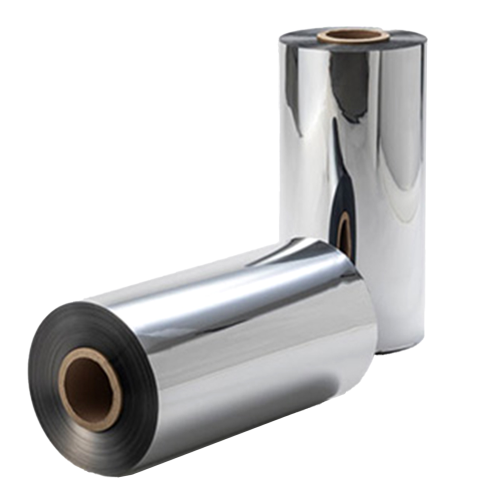
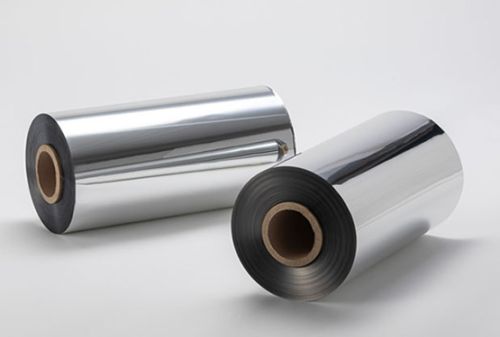
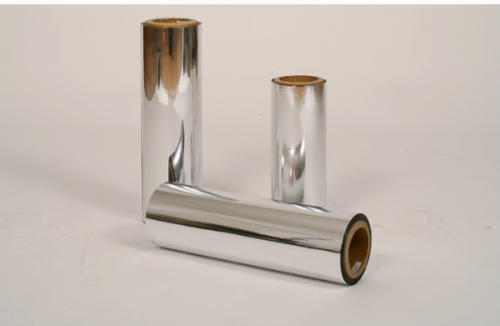
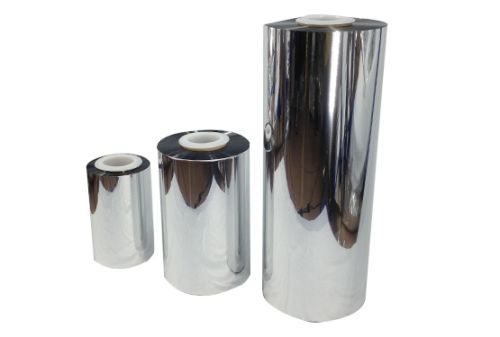
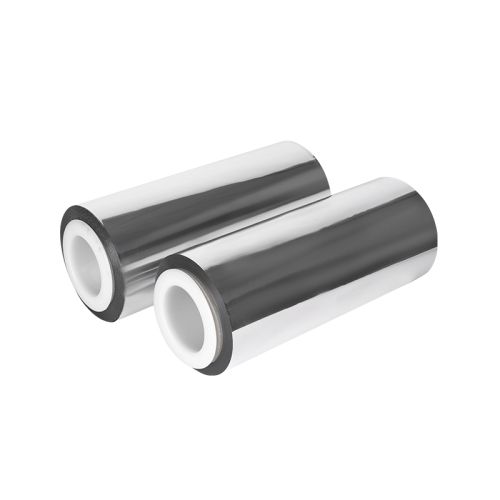
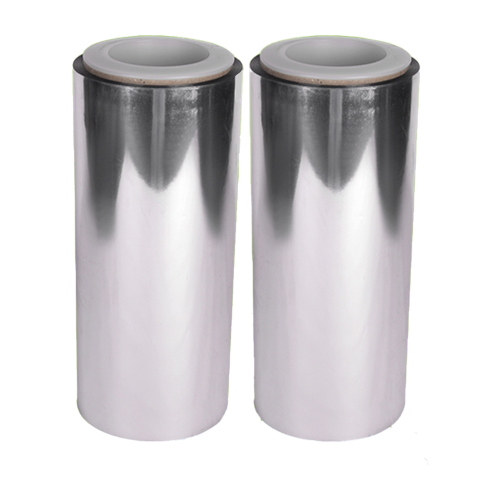
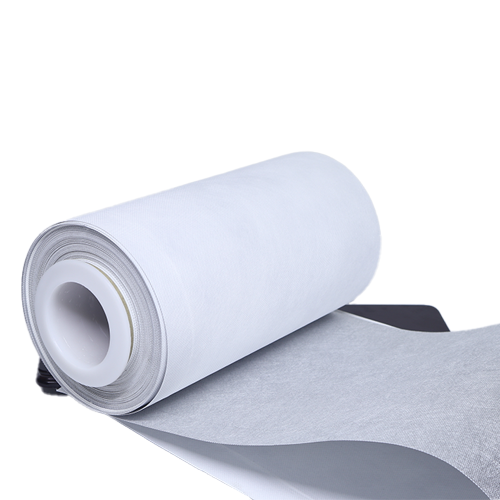
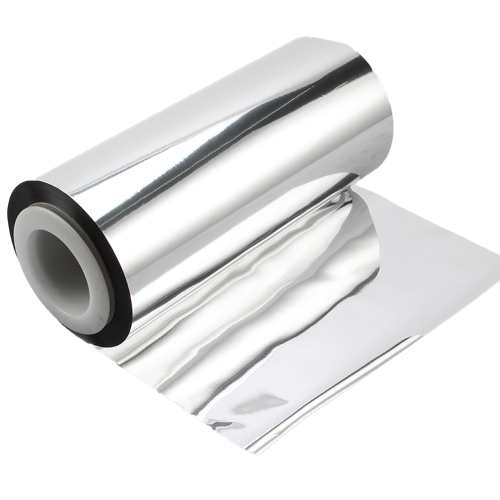
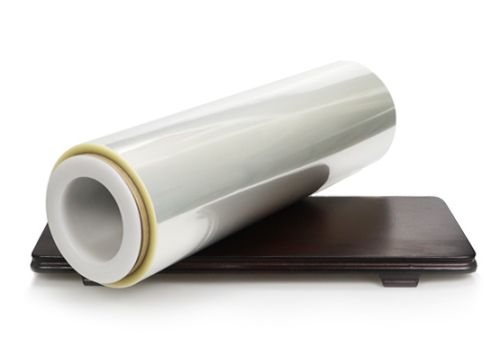
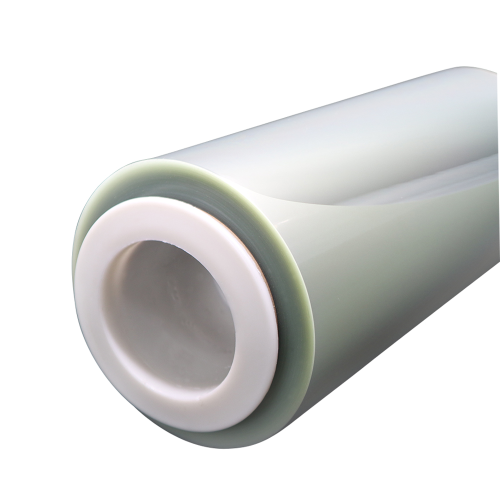
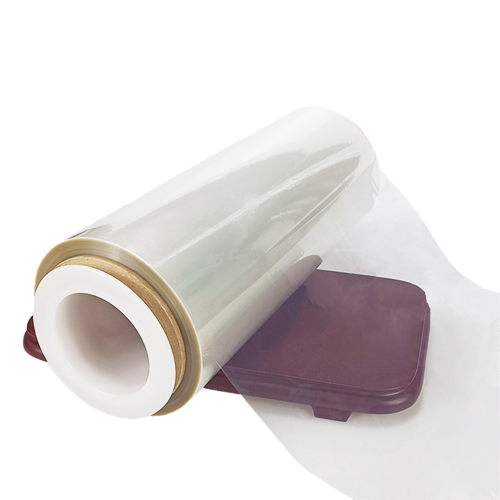
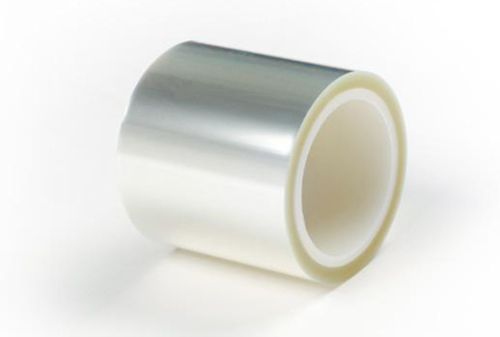
BOPP AlOx Film can enter a PP-oriented barrier structure with good incoming results and still disappoint after the pouch has been folded, filled, packed and transported. The investigation must determine whether oxygen or moisture entered through coating damage, a weak laminate interface, a seal channel or a puncture.
An AlOx Film Supplier needs converted samples, not only the original roll certificate, to help with this problem. BOPP-AlOx-GZ places a transparent aluminum-oxide layer on chemically coated BOPP. That construction supports transparent high-barrier and PP-based packaging development, but the final package remains a system.
Why Flexing Can Change Barrier
The oxide layer is thin and continuous. Creasing, high local tension, hard folds and repeated handling can create microscopic damage that is not obvious during visual inspection. Stress may be concentrated near gussets, zipper areas, valve holes, punched features or the pouch bottom. A flat laboratory specimen does not reproduce those locations.
Laminate stiffness also matters. A structure that is too rigid can form sharp fold lines, while a structure with poor layer support can allow the barrier web to distort. Increasing thickness in one layer does not automatically solve the problem; it may simply move stress to another interface.
Separate Film Damage from Seal Leakage
Whole-pouch barrier loss is often blamed on the coated film before seals are checked. Prepare controls with identical material but different seal settings, then test seal integrity and barrier independently. Powder, oil or product fragments in the seal can create a leak path that overwhelms the contribution of the barrier web.
Map the failure location. If barrier deterioration follows fold lines or gusset corners, mechanical stress deserves attention. If failures cluster at the seal, review contamination, jaw alignment, temperature, pressure and dwell time. If defects follow one lane across the web, inspect slitting, guide contact and roll handling.
Test BOPP AlOx Film at Four Stages
Start with the incoming film, then repeat the agreed OTR and WVTR methods after lamination, after controlled flexing and after finished-pouch conversion. Use the same temperature, relative humidity, units and specimen orientation for every comparison. Barrier results from different test conditions should not be ranked as if they were equivalent.
Add microscopy or strong transmitted-light inspection where available, but do not use appearance alone as approval. A pouch can look clear and still contain local defects. Conversely, a cosmetic mark may not be the main transmission path. The barrier test and location evidence need to support one another.
Design the PP-Oriented Structure Around Stress
One possible evaluation structure is printed BOPP / BOPP AlOx / CPP. The outer BOPP can carry graphics and handling loads, the AlOx-coated BOPP supplies the transparent barrier, and CPP provides the heat-seal layer. A two-layer BOPP AlOx / CPP construction may reduce interfaces, but it also changes printing, stiffness and protection of the oxide surface. Neither structure should be treated as pre-approved.
For a useful trial, provide pouch dimensions, layer gauges, web orientation, adhesive and cure conditions, sealing parameters, fill weight, distribution test and failure photographs. Ask for grade-specific barrier data, then agree on acceptable retention after the same flexing protocol. The decision should be based on the finished pouch, not the best value measured on untouched film.