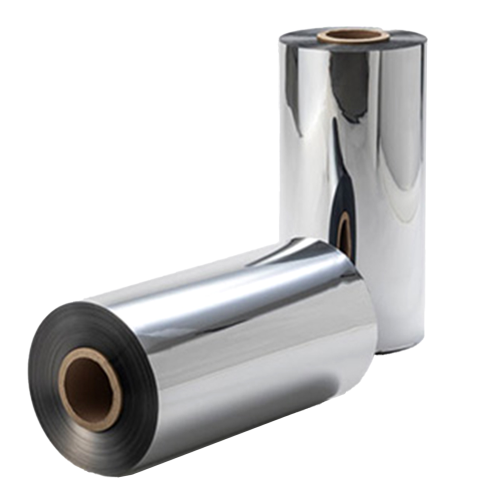
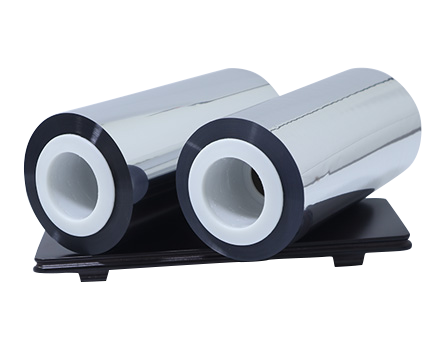
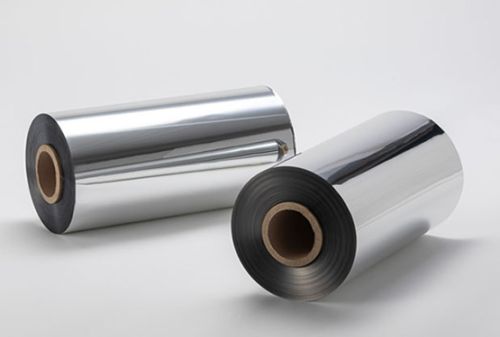
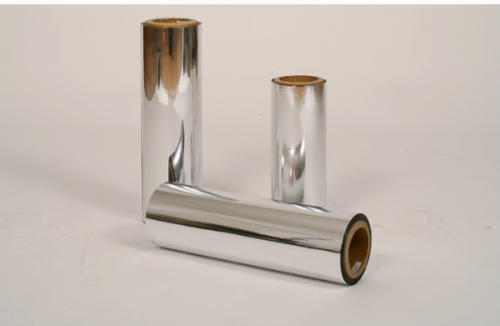
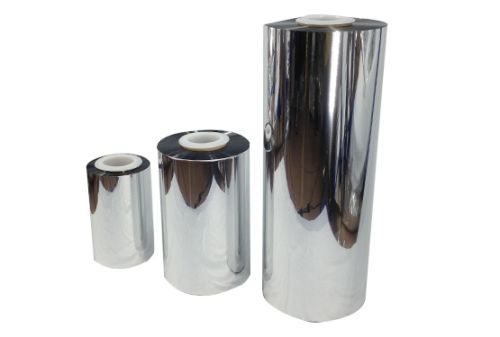
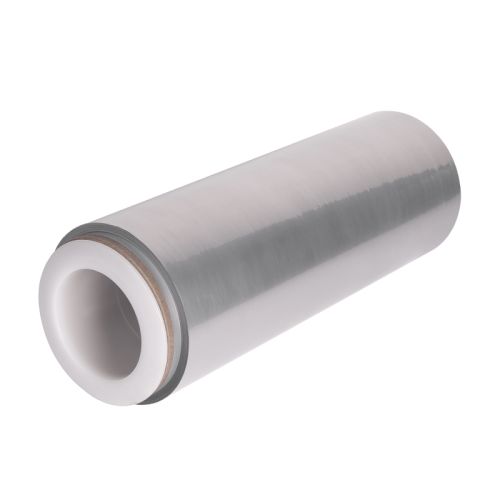
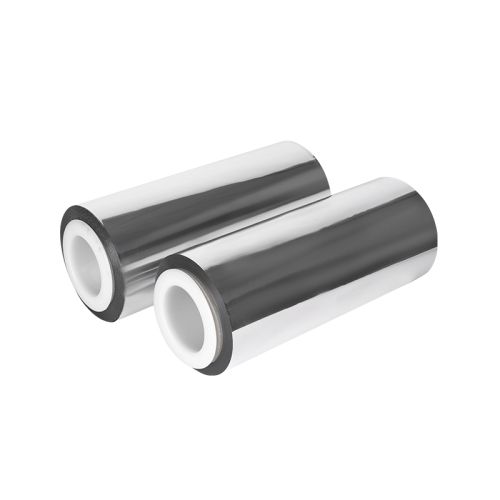
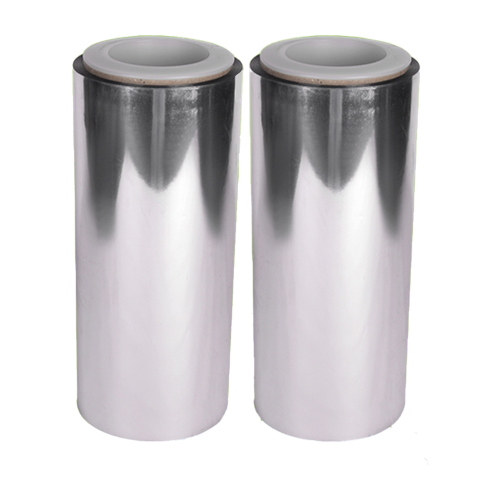
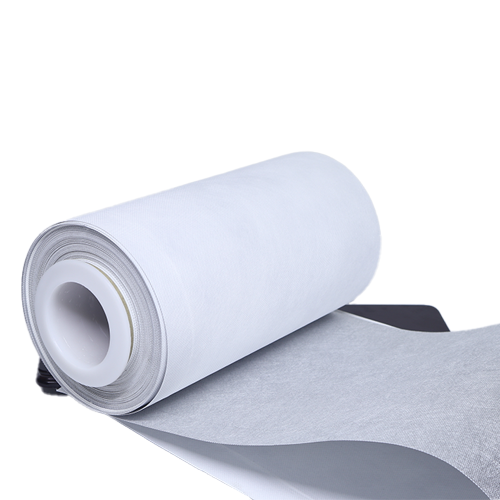
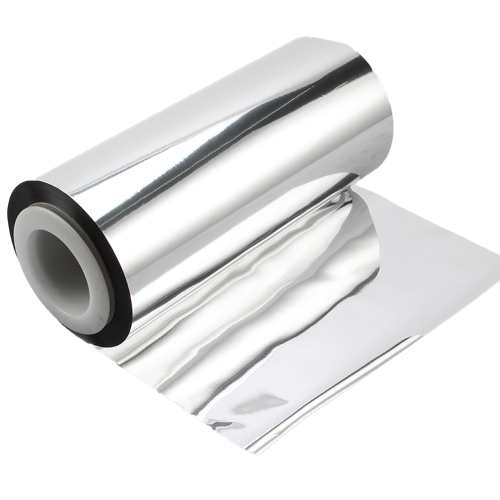
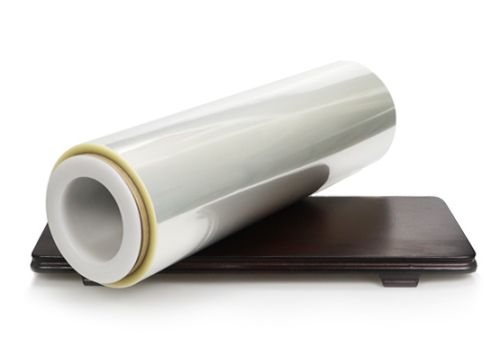
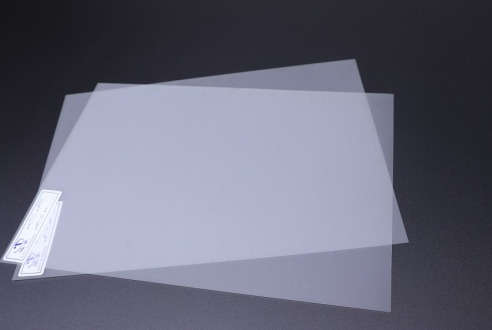
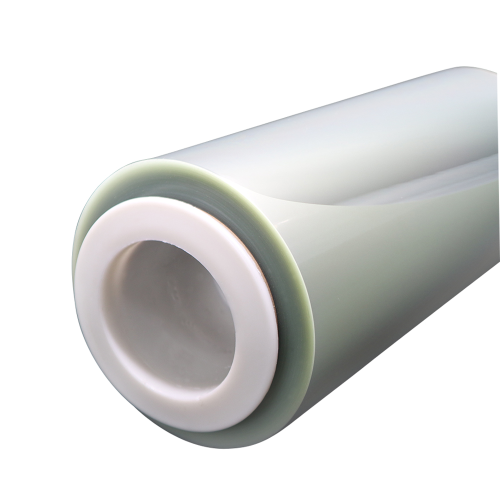
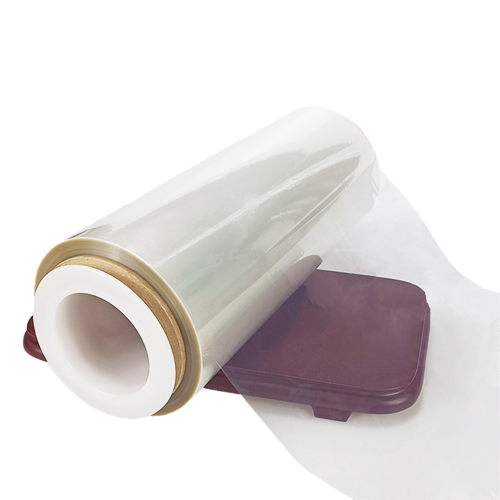
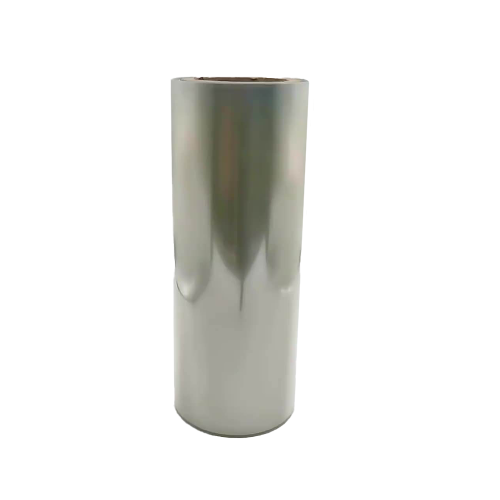
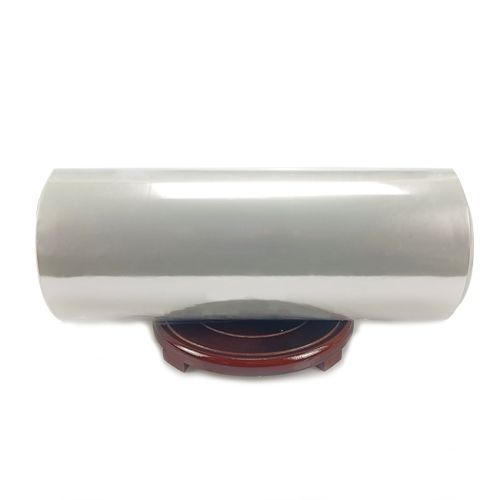
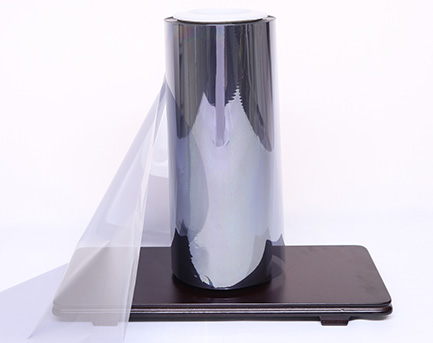
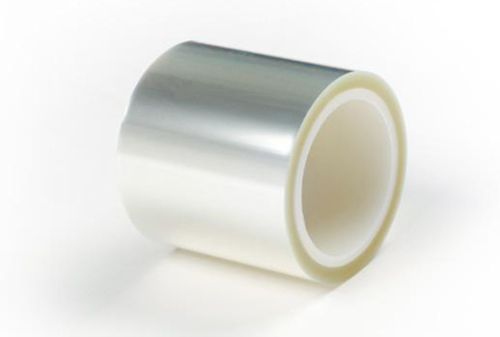
PET AlOx Film can enter the shortlist when a food pack needs transparent barrier performance and must run through a metal-detector line. The material change is not approved by transparency alone: the complete laminate, package geometry, product and detector settings must be tested together.
An AlOx Film Supplier should receive the current laminate, target OTR and WVTR, detector type, product characteristics and inspection speed. Cailong lists PET AlOx as a transparent aluminum-oxide-coated PET range and identifies metal-detector compatibility as an application feature, but the finished pack still needs line-specific validation.
Why the Existing Pack May Restrict Inspection
Foil and conventional metallized layers provide strong light and gas barriers, yet their continuous conductive layer can affect how a detector is set up. A converter therefore cannot treat the barrier web separately from the inspection requirement. Zippers, valves, closures and printed effects may also influence the result.
Start by documenting the present pack, the contaminant sizes that must be detected and the reject threshold used in production. This establishes whether the material change is intended to improve inspection stability, product visibility, barrier performance, or several objectives at once.
Keep the Barrier Function in the Structure
One possible structure for evaluation is PET AlOx / adhesive / PE, with the PET AlOx layer supplying transparency and barrier and the PE layer supplying sealing. A printed PET / PET AlOx / PE structure may be considered when graphics and barrier are separated. The final construction must be confirmed with the converter and adhesive supplier.
Do not assume that a clear laminate automatically matches the shelf life of the former foil structure. Compare OTR and WVTR under matched conditions, then repeat relevant measurements after printing, lamination, pouch making and any folding that represents actual distribution.
Validate on the Real Detection Line
Run empty packs, filled packs and controlled test pieces through the production detector. Test the package in different orientations because seal bands and closures can change the signal. Record line speed, aperture, product temperature and detector program so the trial can be reproduced.
A successful detector trial does not replace package-integrity work. Check seals, puncture risk, transparency, bond condition and barrier after conversion. For grade selection, send Cailong the current structure, product sensitivity, inspection method, processing route and failed samples.