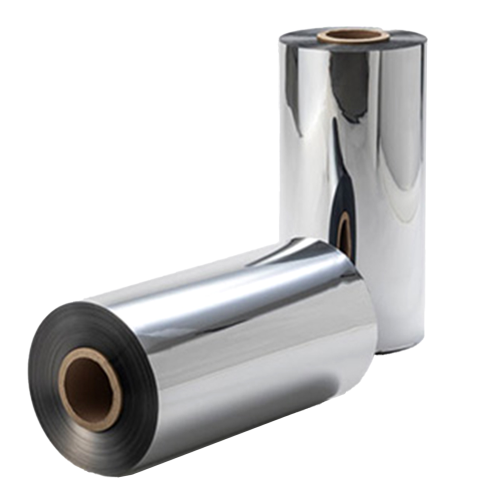
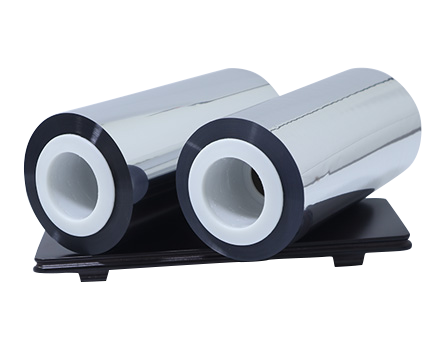
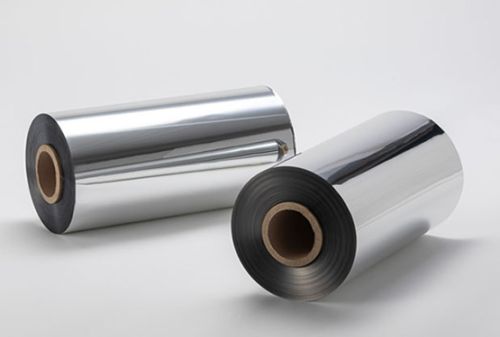
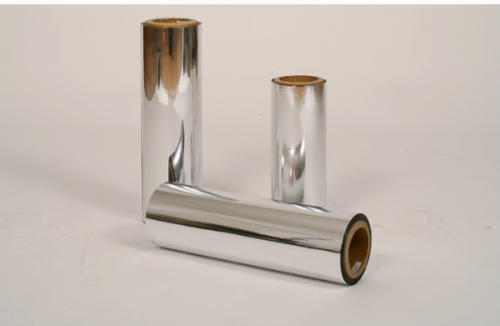
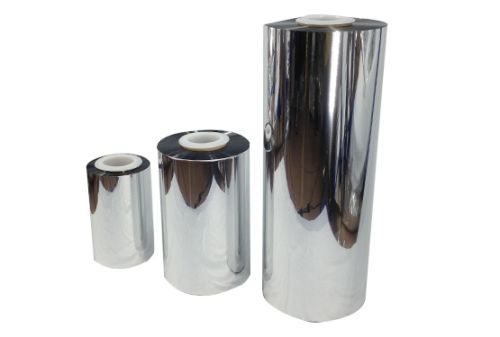
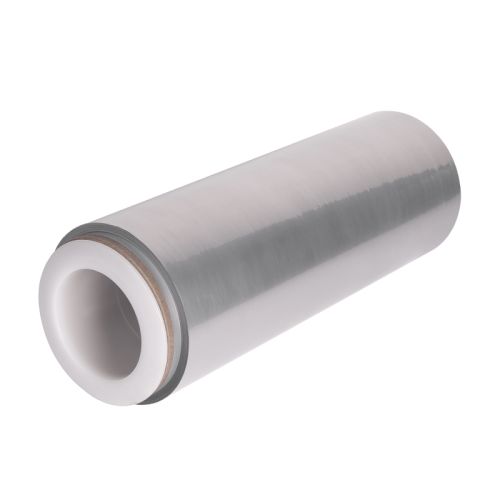
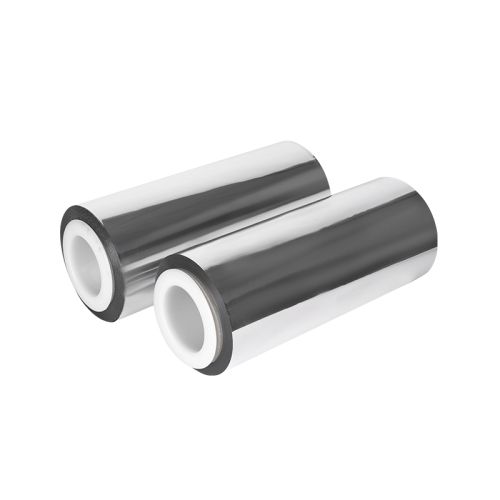
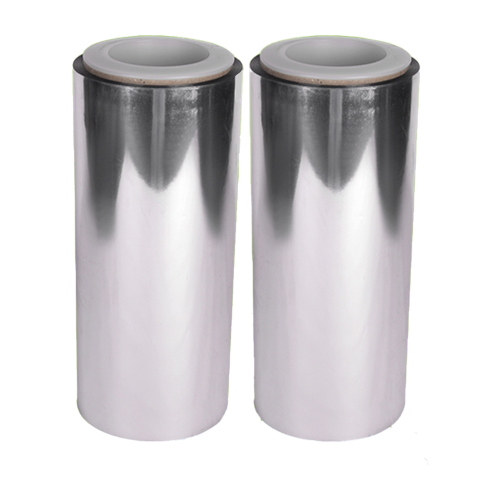
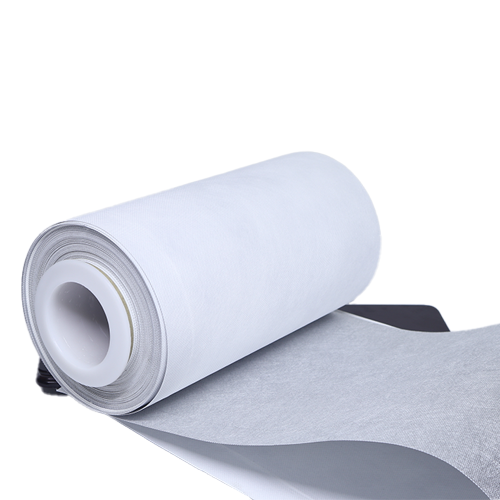
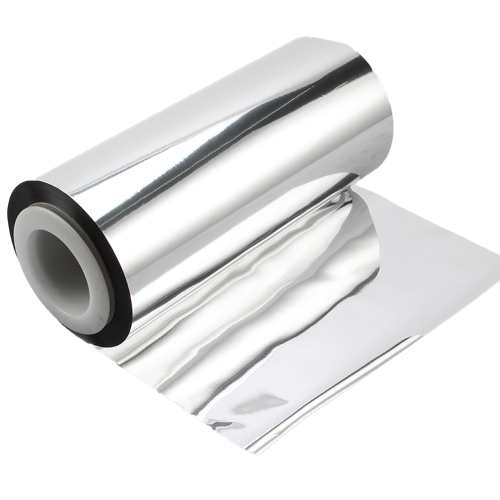
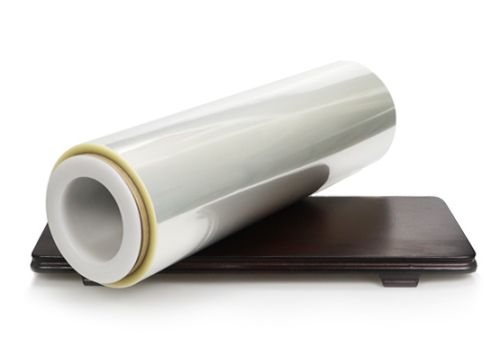
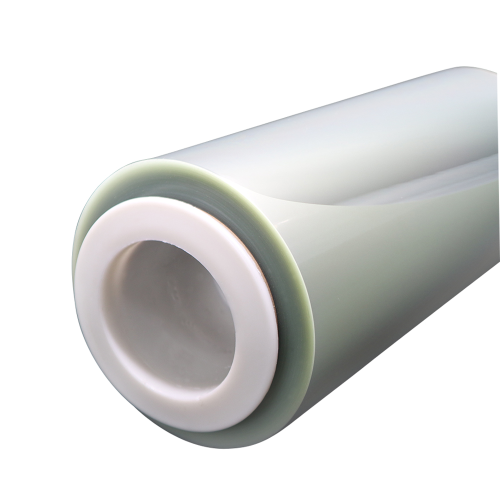
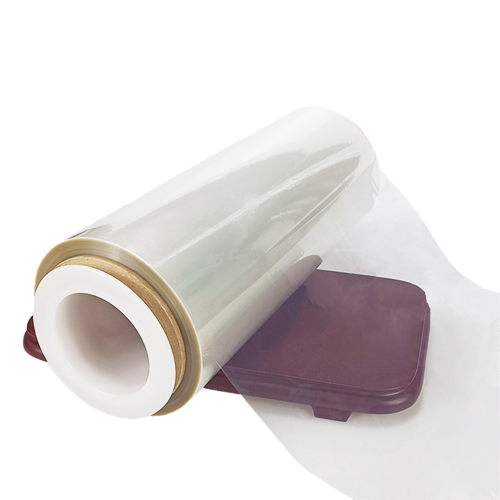
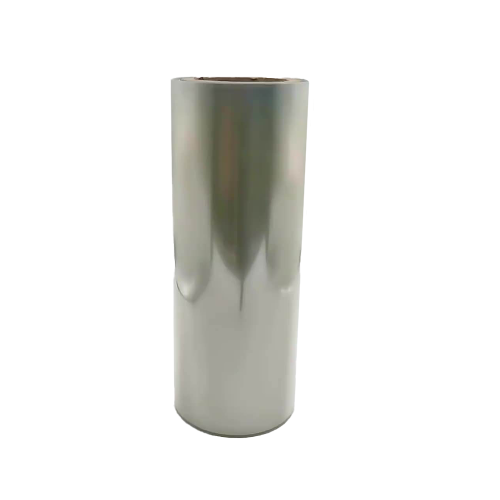
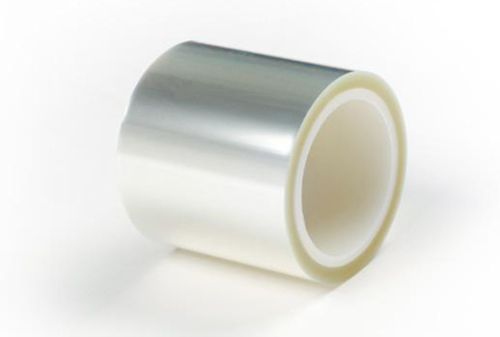
BOPP AlOx Film can provide a transparent barrier layer, but the sealant decides whether the pouch closes reliably on the intended line. CPP and PE do not create the same polymer structure, stiffness, hot-tack response or recycling discussion, so the choice must begin with the package requirement.
An AlOx Film Supplier needs to know whether the project is targeting a PP-oriented laminate or simply evaluating a high-barrier pouch. Cailong’s BOPP-AlOx-GZ uses a BOPP substrate with an aluminum-oxide barrier layer and is positioned for PP-based packaging development. The remaining layers still determine the final construction.
CPP Supports a PP-Oriented Structure
CPP keeps the sealant within the polypropylene family. A possible structure is printed BOPP / BOPP AlOx / CPP. The outer BOPP carries graphics and handling loads, the middle BOPP AlOx supplies barrier, and CPP provides the product-contact and heat-seal layer.
This route may be relevant when material-family compatibility is part of the design brief. It does not make the package automatically recyclable. Inks, adhesives, coatings, valves, zippers and local collection systems still need review. The package also has to meet seal, impact and distribution requirements.
PE May Offer a Different Sealing Route
PE can be considered when the converter’s existing equipment, contamination tolerance or pouch feel favors a polyethylene sealant. A structure such as BOPP AlOx / PE or printed BOPP / BOPP AlOx / PE combines a PP barrier substrate with a different sealant family. That may be acceptable when package performance is the priority, but it should not be described as a mono-PP construction.
The exact PE grade matters. LLDPE, metallocene-based sealants and coextruded PE webs can have different sealing windows, stiffness and product-contact behavior. These differences should be confirmed with the sealant supplier rather than assigned to the AlOx film.
Compare the Seal Window on the Real Line
Record sealing temperature, pressure, dwell time, jaw condition and line speed for CPP and PE trials. Measure seal initiation, hot tack and final seal strength using the customer’s method. Add product contamination where powder, oil, crumbs or liquid may reach the sealing area.
A wide laboratory seal window can narrow on a high-speed line. Gussets, zippers and thick junctions may need more heat than a flat seal, while excessive heat can distort the BOPP-based laminate. Inspect the complete perimeter instead of relying on one straight test strip.
Check Barrier after Sealing and Flexing
The sealant can change the mechanical support around the barrier web. Compare OTR and WVTR after lamination, controlled flexing and pouch making under identical conditions. If performance declines, determine whether the path is through the panel, a fold or the seal.
CPP and PE structures may also differ in stiffness and drop response. Fill production-size pouches and run the required compression, drop and distribution sequence. A thin two-layer design should not be approved only because it uses fewer materials.
Select from the Full Packaging Brief
Use CPP when a PP-oriented structure and its sealing behavior fit the project. Use PE when the required seal performance or established converting route justifies a mixed-polymer laminate. Neither choice is universal, and neither compensates for an unsuitable adhesive or damaged barrier surface.
For a useful recommendation, send Cailong the proposed layer structure, sealant grade, pouch geometry, filling product, line speed, seal settings, barrier target and recycling objective. Trial both candidates with the same BOPP AlOx grade and test the finished pouch before fixing the commercial structure.