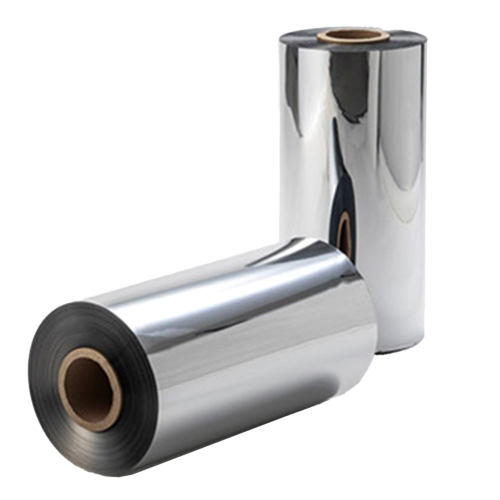
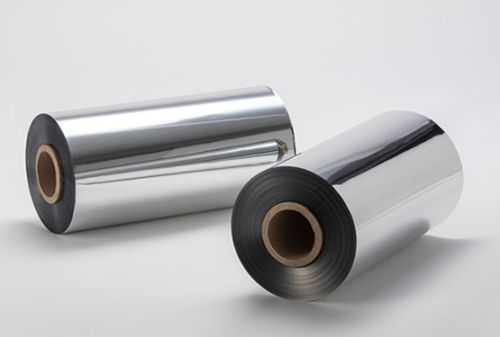
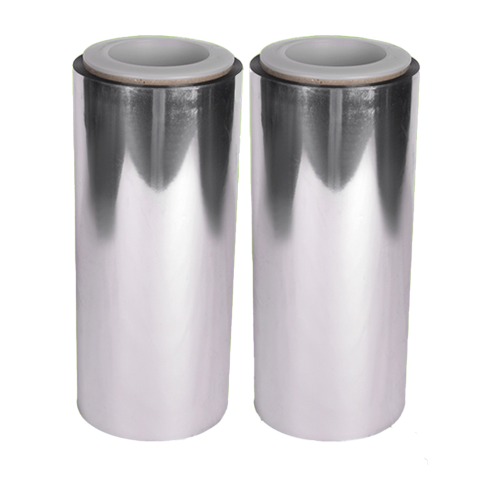
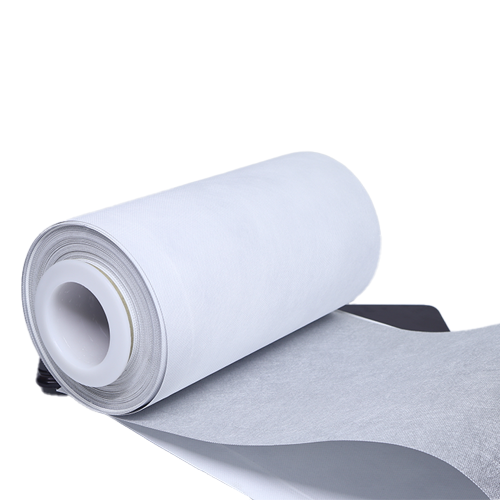
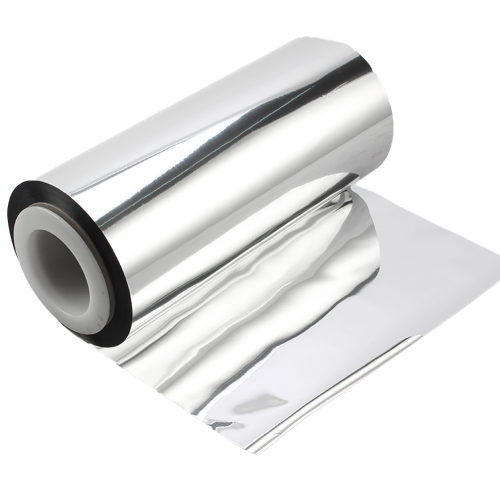
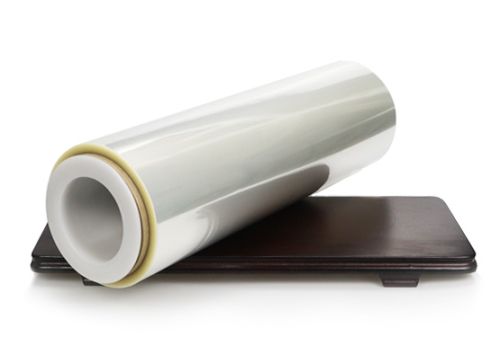
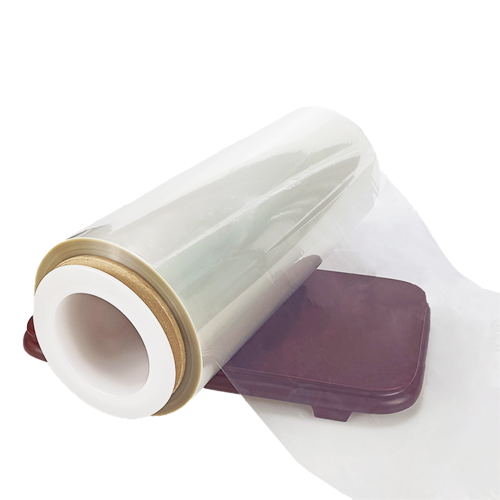
Metallized PET Film should not be selected for a damaged pouch using a single mechanical-strength description. A pack that punctures when pressed against a sharp product needs a different assessment from one that tears rapidly after a small edge cut. When both failures are reported as “weak film,” a proposed change can improve one behavior while leaving the customer's actual rupture mechanism unresolved.
Cailong, a Metallized Film Supplier, lists the VMPET-GZ range for oxygen, moisture and light protection and for evaluating alternatives to aluminum foil. Those barrier functions make it a candidate in suitable laminate projects. They do not establish a puncture result or a tear-propagation ranking against the customer's foil structure. Mechanical selection requires evidence from the intended construction.
Ask how the first opening is created
Find the origin on failed packs before performing a broad material comparison. A pointed content pressing against a panel, a snag at an external corner and a notch created during conversion are different starting conditions. Photograph the origin and follow the rupture path. If the failure begins at a seal channel or a tooling cut, changing the barrier web may not address the initiating defect.
Keep the contents and pack condition with the failed sample. A flexible item and a rigid sharp item load the wall differently, even at the same fill mass. The location of contact can also change with headspace and packing pressure. Reproducing the actual first opening is more useful than selecting an arbitrary probe or tear specimen simply because that test is already available in the laboratory.
Puncture resistance concerns penetration
A puncture comparison assesses how the specimen responds when a localized contact pushes through it under the chosen conditions. The contact shape, speed and specimen support matter. A film stretched tightly across a support differs from a loose pouch panel that can move around the product. Record those details with the result, and distinguish a slowly applied load from an impact event.
Evaluate the laminate that will contain the product. The outer web, metallized barrier layer, adhesive and sealant can share or redirect the applied load. A bare-film result may help screen candidates but cannot represent that combined response automatically. Compare the proposed metallized structure with the existing foil laminate using equivalent specimen preparation and a test selected for the customer's contact.
Tear resistance concerns a growing opening
Once a cut or puncture exists, the way it extends through the construction becomes another question. Record whether the tear follows a preferred direction, branches or stops at an interface. Separate the effort required to start a tear from the effort required to continue it. A specimen designed around a notch answers a different question from an intact panel subjected to a localized push.
Maintain machine and transverse identification during specimen cutting. Also mark those directions on the finished pouch drawing. A favorable tear path along a test strip may be unfavorable when aligned with the product cavity or sealing boundary. The material decision should reflect where a crack travels in the actual package, not only which direction gives the largest result on the report.
Foil replacement changes more than the barrier layer
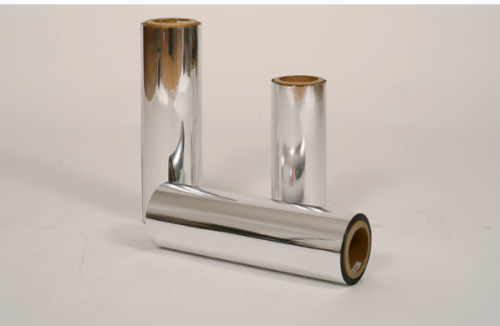
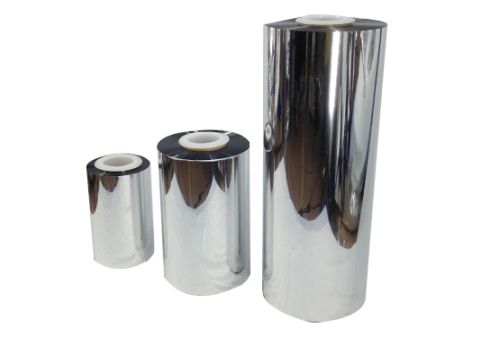
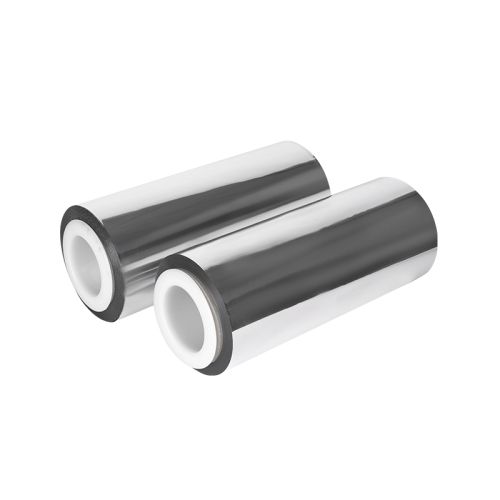
When VMPET-GZ is considered instead of foil, keep the complete old and proposed structures visible. The metallized PET web is a polymer substrate carrying deposited metal, whereas foil is a metal layer within the existing laminate. Replacing one with the other changes how the structure deforms and distributes load. Equivalent panel barrier does not establish equivalent mechanical behavior or opening performance.
A candidate printed PET / adhesive / metallized PET / adhesive / PE construction can be evaluated against the present foil pack. The printed outer web supports decoration, the metallized PET supplies the intended barrier, and PE forms the inside sealing surface. Individual gauges and adhesive choices still need confirmation. Do not present this example as a qualified replacement or claim that the PET layer is superior under every rupture mode.
Keep deliberate opening separate from accidental failure
A pouch may need resistance to transport damage while remaining easy to open at a controlled feature. Stronger resistance everywhere is not necessarily the customer's objective. Identify the opening location and the area that must remain protected. Test whether a tear begun at the intended notch follows the desired route without making the pack vulnerable to an unintended snag elsewhere.
Do not use a successful consumer-opening demonstration as evidence that the pouch resists puncture. Likewise, a high puncture result does not establish comfortable opening. These acceptance criteria concern different events. Keeping them separate allows the converter to adjust the structure or opening feature without turning a handling correction into a usability complaint.
Link laboratory results with the failure location
After screening, make filled pouches with the actual product and reproduce the contact associated with the complaint. Inspect where damage begins and compare that origin with the laboratory specimen. If the laboratory ranking does not follow the filled-pack result, review support, contact geometry and laminate preparation. The mismatch is useful evidence that the screening test may not represent the controlling mechanism.
Also confirm the required barrier on the selected structure after relevant handling. A laminate can remain closed while the barrier layer is locally damaged, so absence of a visible leak is not the only protection check. Conversely, a torn sample should not be used to describe the undamaged film's intrinsic OTR. Report mechanical rupture and barrier retention as separate outcomes with clearly identified specimens.
To assess a VMPET-GZ candidate with Cailong, provide the present foil laminate, proposed layer gauges, failed-pack origin and the contact that produces it. Include directional tear observations, puncture-test details and the intended opening feature. This lets material selection address penetration, crack growth and protection individually instead of treating them as one interchangeable strength requirement.