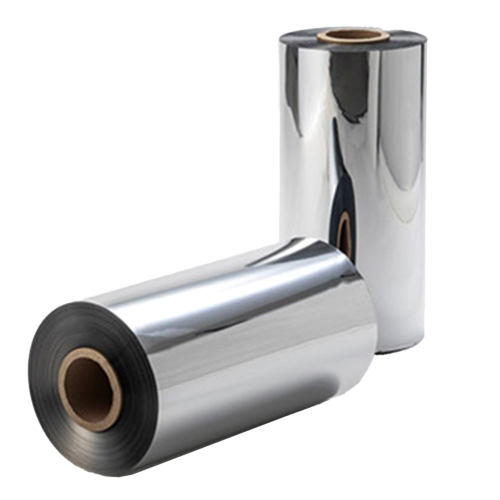
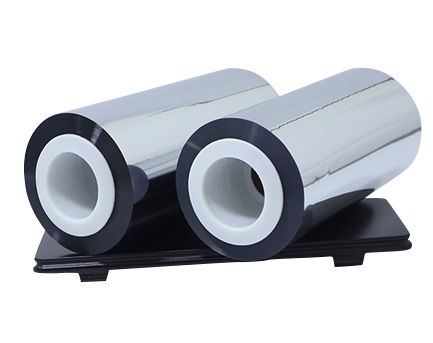
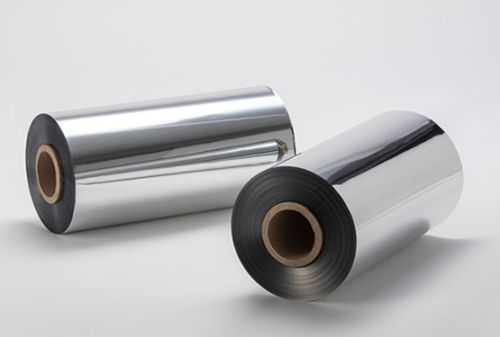
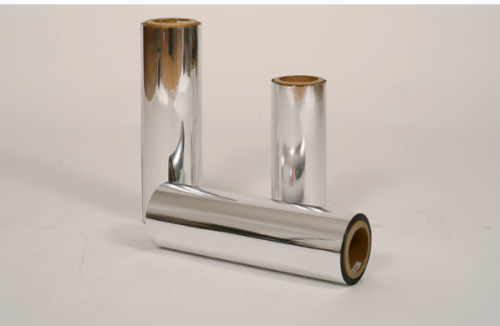
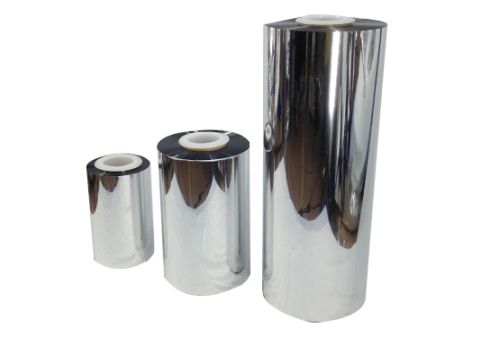
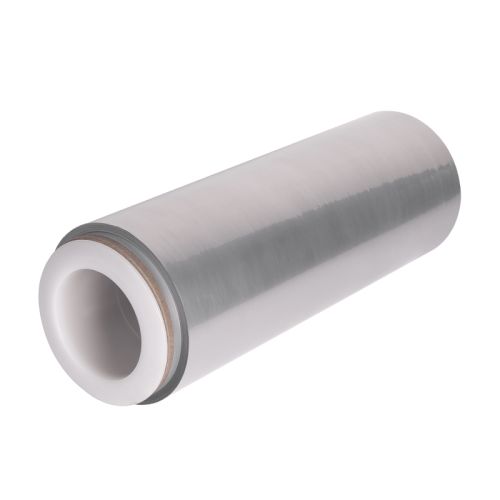
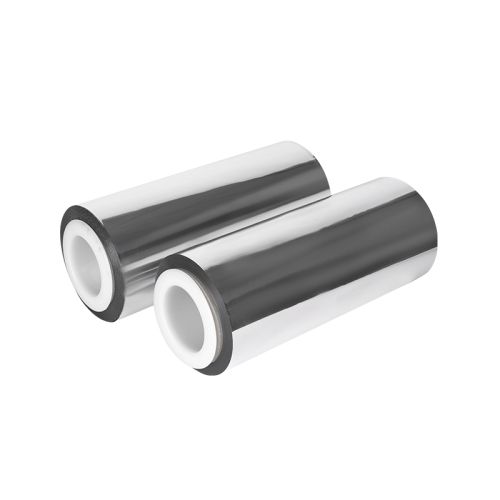
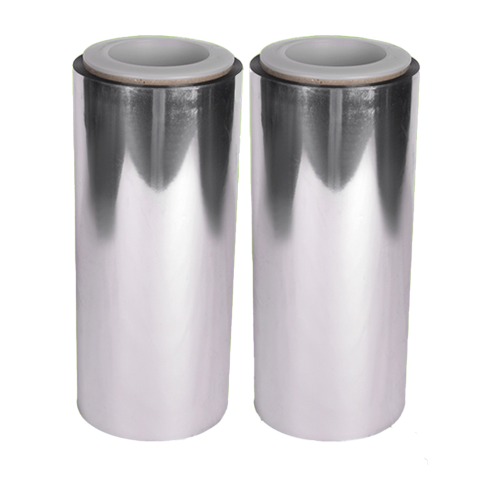
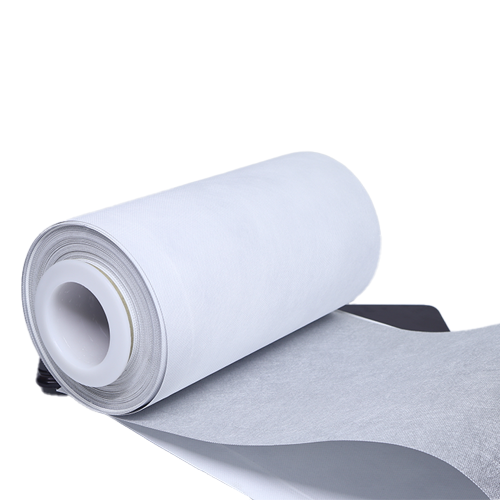
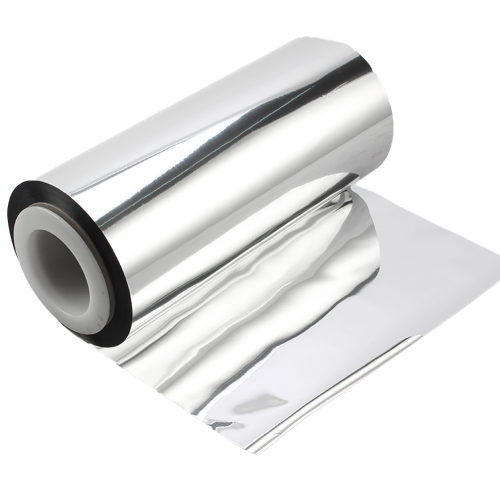
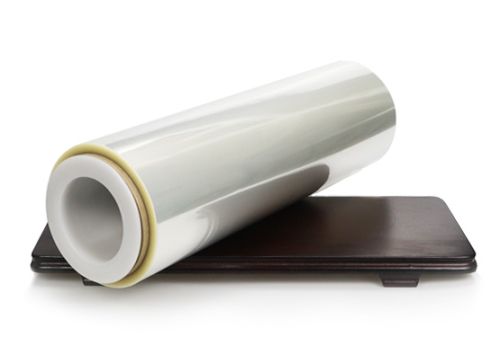
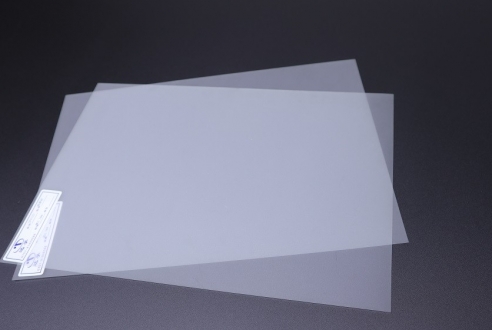
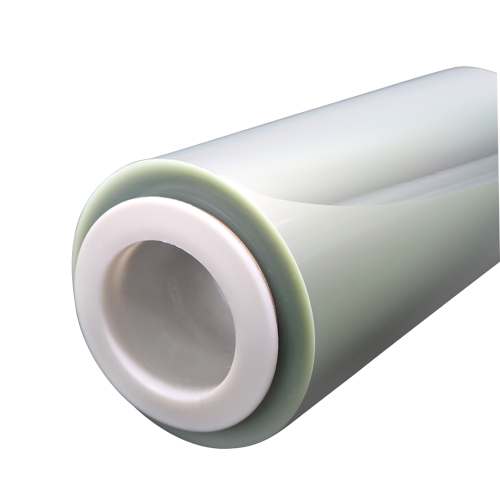
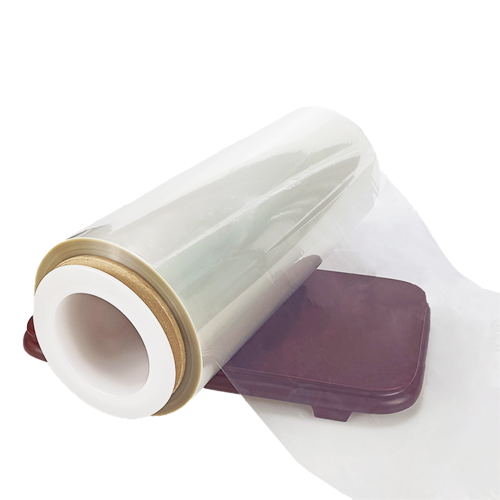
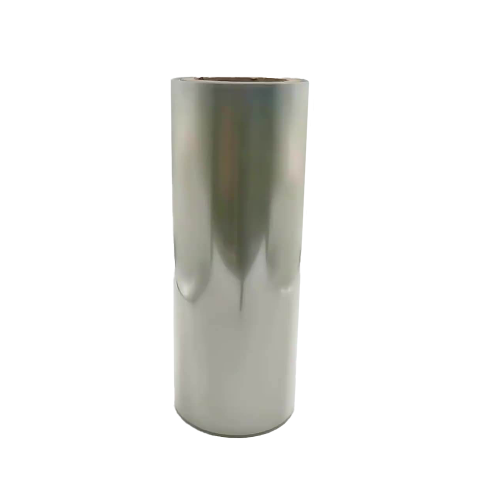
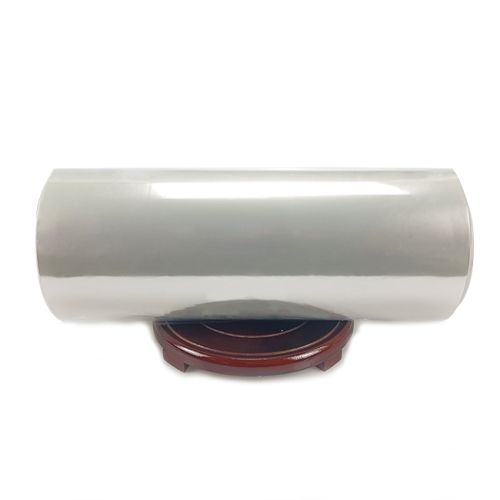
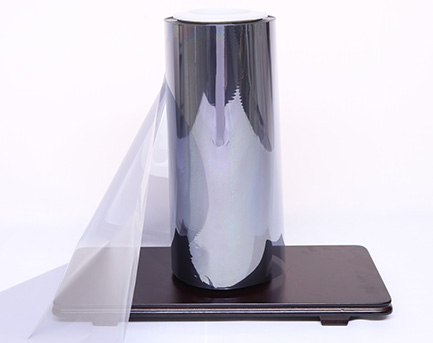
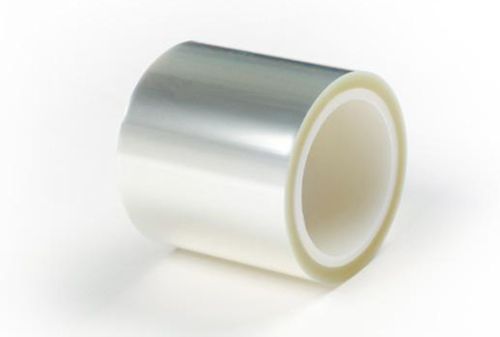
BOPP AlOx Film is a candidate for crispy seaweed packs when a brand wants customers to see the sheets without accepting rapid texture loss. Roasted seaweed needs a package that manages moisture entry while protecting a fragile product during filling and distribution. If oil or seasoning is added, the brief also needs to address aroma and oxidation. A transparent window therefore changes more than the shelf appearance of the bag.
Cailong, an AlOx Film Supplier, lists BOPP-AlOx-GZ for transparent PP-based barrier packaging, including dehydrated foods. The grade uses an oxide barrier on a BOPP substrate. It can enter the material shortlist for this application, but the seaweed recipe, laminate and filling route determine the required performance. The product description is not a shelf-life approval for a particular roasted snack.
Keep the crispness requirement tied to the seaweed
The main complaint may be a sheet that bends instead of breaking cleanly, even though the pouch still looks sealed. Define the acceptable texture with the brand's actual product rather than assigning a generic moisture target. Plain roasted sheets, heavily seasoned sheets and thicker snack clusters should not automatically share the same package specification. Their acceptable texture and handling conditions may differ.
Retain product from the same production batch in the current opaque pack and the transparent candidate. Compare texture at the agreed storage intervals and record the package condition. This establishes whether the change preserves the experience the brand intends to sell. A favorable WVTR report is useful material evidence, but the customer's texture assessment must remain connected to the filled seaweed pack.
Transparency adds a light-exposure decision
A transparent AlOx layer is not an opaque light shield. If the current pack uses foil or a metallized layer, moving to a visible product changes the light path. Discuss whether the entire front panel needs to be clear or whether a smaller viewing area is sufficient. For oil-seasoned seaweed, assess the customer's relevant aroma and appearance criteria under the intended retail exposure.
Do not attribute every change in aroma to oxygen entering through the film. Product history, headspace and light exposure are separate inputs to the comparison. Keep them controlled when screening the transparent laminate. Where the brand requires strong light protection, retain that requirement instead of treating a clearer pack as an equivalent replacement solely because its gas-barrier data are acceptable.
Where BOPP AlOx Film Fits in the Seaweed Pack
One possible structure for evaluation is printed BOPP / adhesive / BOPP-AlOx / adhesive / CPP. The outer BOPP carries the artwork, BOPP-AlOx supplies the transparent barrier contribution, and CPP provides the inside sealing surface. Confirm the actual gauges, coated-face orientation and adhesive compatibility with the converter. This proposed construction is not presented as an already qualified Cailong seaweed package.
The inside surface should be selected for the filling and closure conditions, not simply to keep every named polymer within the PP family. Review contact with the seaweed's seasoning and oil, together with the necessary food-contact documentation for the final construction. A PP-oriented layer list supports a material-design direction; it does not by itself establish a verified recycling claim for the finished snack pack.
Prevent breakage without turning the film into a cushion
Thin seaweed sheets can break when they are folded or compressed against a tight pouch wall. Consider the product stack, available headspace and any proposed tray or support as part of the packaging brief. Film toughness alone cannot establish how much intact product reaches the consumer. A more flexible laminate may need a different packing arrangement from a stiff existing pouch.
Inspect filled packs after the handling that the brand expects: cartoning, stacking and the selected distribution route. Separate sheet breakage from pouch damage in the inspection record. If the contents crumble while the laminate remains intact, the next correction may concern packing geometry rather than a higher barrier grade. If a sharp broken fragment damages the wall, inspect that contact and the complete laminate response.
Keep seasoning away from the closure
Loose seasoning and small seaweed fragments can reach the seal area during filling. Check the top closure on made packs, especially where a lightweight product is carried toward the seal by air movement. Establish whether the filling method leaves clean sealing surfaces and whether the selected CPP and machine settings create a continuous closure. The barrier web cannot compensate for a channel through the seal.
If nitrogen flushing is part of the customer's process, qualify it with the actual pouch and product load. Do not assume that a low incoming oxygen reading proves the pack will retain protection through distribution. Inspect seal integrity and representative panel barrier after conversion. Keep the gas-filling record with the product comparison so that a material result is not confused with a different initial headspace condition.
Choose the trial that answers the brand's complaint
A useful first comparison keeps recipe, fill quantity and pouch size unchanged while assessing the proposed clear construction against the current pack. Measure OTR and WVTR under the required conditions on identified laminate specimens. Combine those results with seaweed texture, aroma, visible product condition and closure observations. Each addresses a different part of the application rather than repeating a general barrier-film approval.
For multi-sheet portions, also check how the consumer removes the contents after opening. A viewing window is commercially useful only if the snack can be handled without unnecessary breakage. Keep opening convenience distinct from unopened-package protection. A tear feature that improves access must not create damage or leakage before the bag is used.
To evaluate BOPP-AlOx-GZ with Cailong for crispy seaweed, send the recipe type, present laminate, sheet or cluster dimensions, filling method and target viewing area. Include the storage environment, texture acceptance and any oil, seasoning or flushing requirement. This defines a material trial around the snack's crispness and physical protection, not simply a request for transparent film.