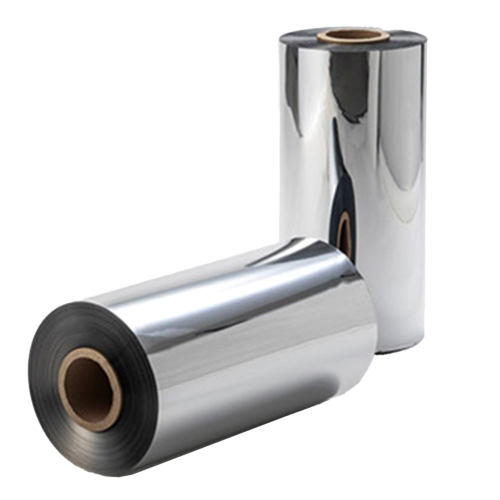
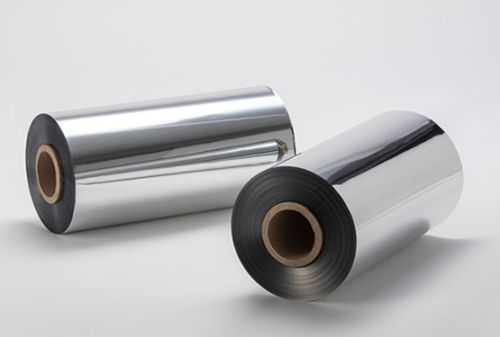
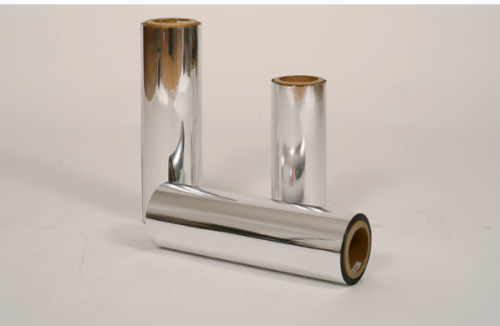
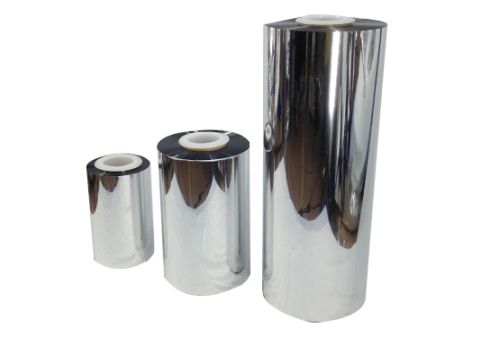
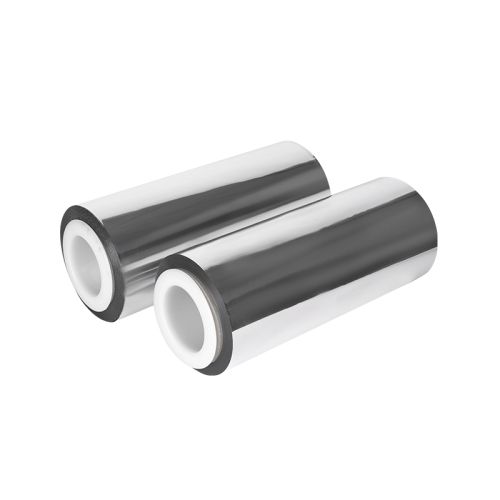
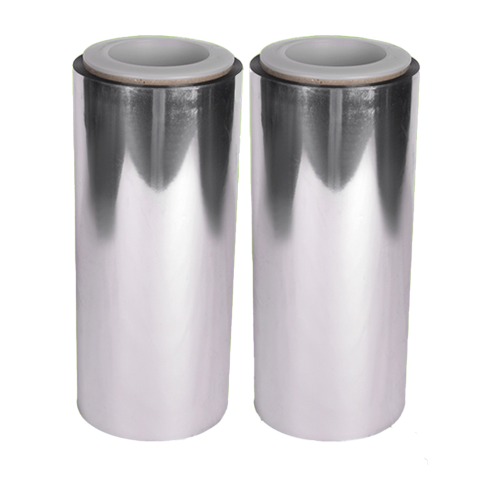
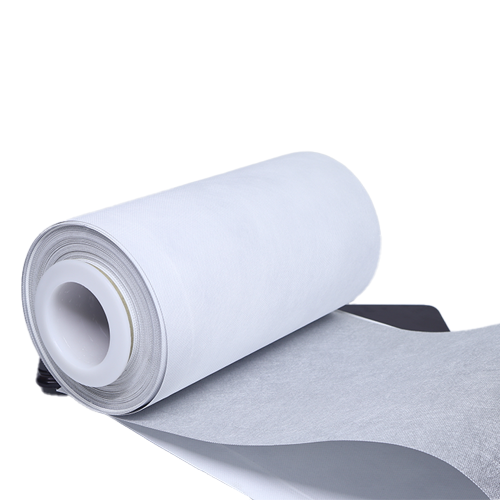
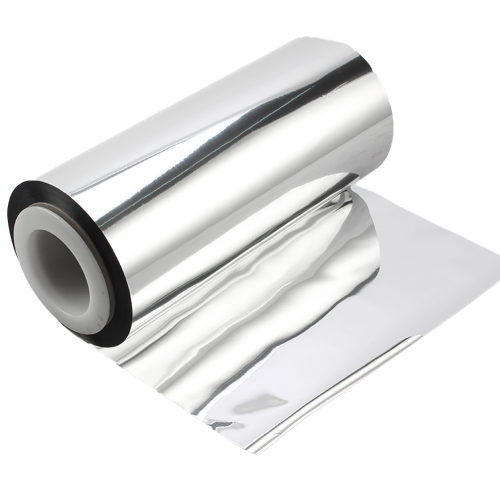
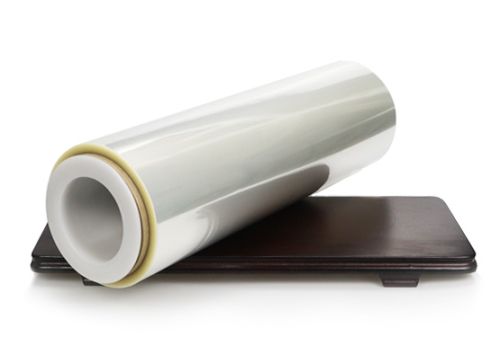
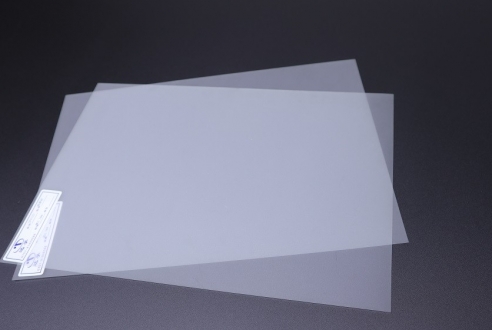
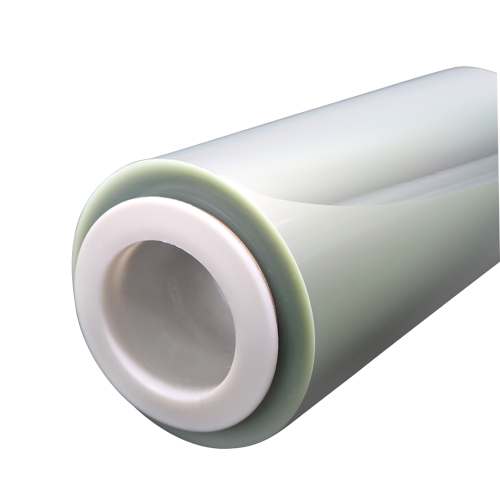
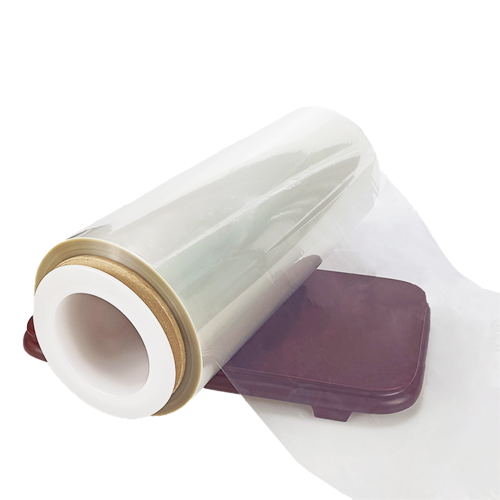
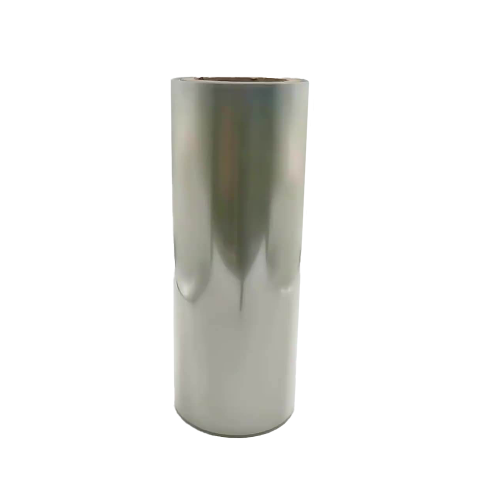
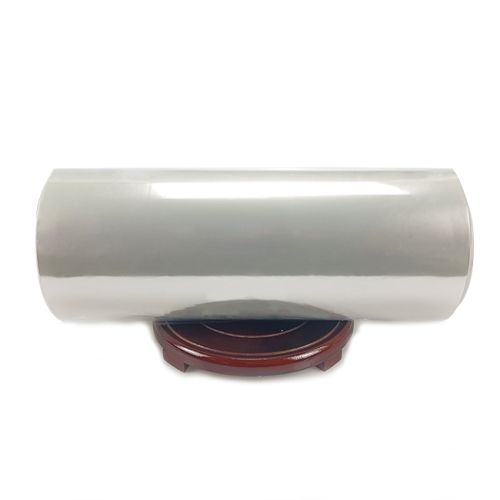
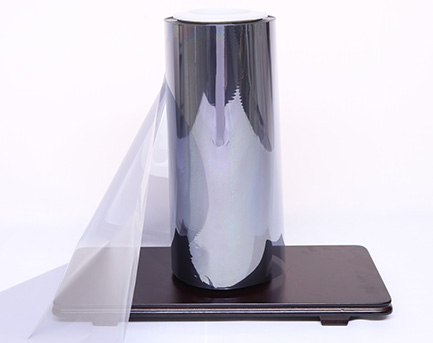
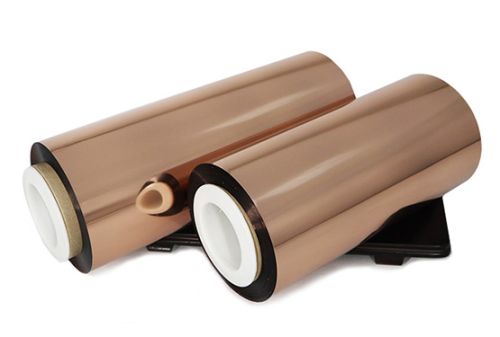
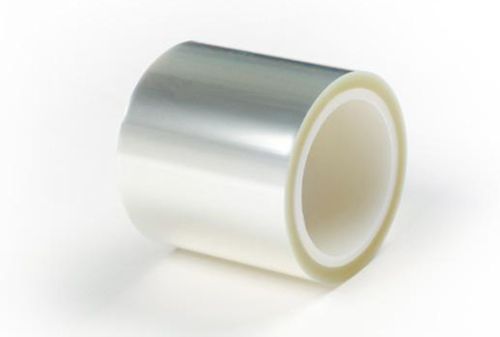
Metallized PET Film can be considered for a bulk cocoa powder bag when the buyer needs a barrier layer inside a construction that also survives filling, stacking and industrial dispensing. A laminate that protects a small retail pouch cannot automatically be scaled into a heavier bag without reviewing seams, folds and handling support.
Cailong's VMPET-GZ product family is described for oxygen and moisture protection with light blocking, including chocolate and dehydrated-food applications. A Metallized Film Supplier should receive the proposed bulk format before recommending a grade. This cocoa application is a candidate evaluation, not evidence of an already approved bag or a guaranteed shelf-life result.
Identify whether the bag is a liner or the outer package
A bag supported inside a box, sack or drum has a different role from a stand-alone flexible bag. Identify the surrounding package and how loads reach the laminate. If the outer container carries stacking forces, the liner may mainly need closure and contact protection. If the film bag carries those forces itself, its mechanical construction needs a different assessment.
Record the fill weight, bag geometry and handling route from filling to the customer's process. Include how the bag is lifted, palletized and opened. A request for barrier film with only a nominal bag size does not show which areas receive strain. The converter needs the actual format to separate protection requirements from load-bearing requirements.
Clarify the existing problem. Powder leakage, clumping and altered product condition are not interchangeable observations. A leaking seam calls for a closure investigation, while powder changes inside an intact retained sample require the product owner's assessment. Do not assume that selecting a higher barrier grade resolves every complaint associated with a bulk bag.
Assign Metallized PET Film a defined laminate role
A possible structure is an outer print or support web / VMPET-GZ / PE product-contact sealant. The middle layer provides the proposed barrier and light-protection function; the other layers must be designed around bag support and closure. The complete material combination is for evaluation and should be confirmed with the converter and adhesive supplier.
Cailong lists more than one grade in the GZ family. Ask which grade and gauge are proposed rather than applying the most favorable published value to every option. For OTR and WVTR, request the measurement temperature, humidity and specimen construction. Grade-specific information is more useful than an unqualified description of ultra-high barrier.
If the present structure contains aluminum foil, define the reason for considering metallized PET. Processing, flexibility or a different laminate route may motivate the change. Foil and a deposited metal layer should not be presumed equivalent under creasing and repeated handling. Keep the existing bulk bag as the performance reference throughout qualification.
Powder filling and air removal affect closing
Observe how the powder enters the bag and how displaced air leaves. The filling route can influence dust at the bag mouth and the condition under the sealing jaws. A clean, empty seal coupon does not represent a powder-loaded production bag. Collect samples from the normal filling sequence before adjusting the laminate specification.
Identify whether the process uses a vent, temporary opening or another air-management feature. Any permanent opening changes the package's protection route and must be considered separately from film barrier. A strong barrier layer cannot compensate for an intentionally open path. The equipment and product teams should define how filling air is managed and how the final package is closed.
Inspect the closing region for trapped powder and inconsistent presentation. A larger bag mouth can introduce folds that are absent in a small pouch. Review closure across the complete width and around multilayer regions. Record where leakage starts instead of attributing it to the metallized layer without evidence.
Bulk handling concentrates stress at folds and seams
Review the bag in the actual secondary container, if one is used. A liner can be pinched at a corner or trapped by a closure operation even when the outer container appears undamaged. For unsupported bags, inspect how the filled product loads the bottom and side seams. The relevant contact pattern depends on the complete format.
Compare the candidate laminate after the intended stacking and movement sequence. Inspect folds, local abrasion and the closing region, then relate defects to the load path. Increasing the outer web's strength may not prevent damage at an unsuitable container edge. Changes to film and secondary packaging should be recorded separately.
Use representative filled bags rather than reducing the mechanical trial to a small hand-made pouch. The powder distribution, headspace and supporting container influence how the bag deforms. A trial that changes all these conditions cannot establish equivalence with the customer's current package.
Opening and dispensing are part of the industrial use
Ask how the customer empties the powder into its process. A liner that must be cut open has different needs from a bag designed for a controlled pouring opening. The chosen opening route should avoid uncontrolled tearing and unwanted packaging fragments. The film supplier should receive that requirement before recommending a laminate.
If the bag is not emptied at once, identify the intended closure after partial use. Incoming-film barrier data describes transmission through a specimen, not protection while a bag mouth remains open. The product owner needs to define the permitted handling and storage of remaining powder. Do not extend unopened-package claims to an undefined dispensing situation.
Compare product condition under the agreed storage assessment without inventing moisture limits or shelf-life improvements. Retain the existing package as a control and keep lot, filling condition and exposure history traceable. Link any observed change to package integrity and the product team's measurements rather than judging the outcome from the laminate name.
For a cocoa powder bag discussion with Cailong, provide the current laminate, fill weight, liner or outer-bag role, filling-air route and dispensing method. Include the secondary container and the locations of leaks or mechanical damage. These details let a GZ grade proposal address the complete bulk application rather than a generic request for stronger barrier.