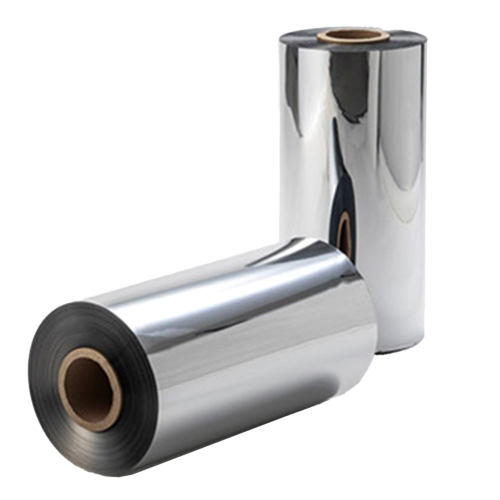
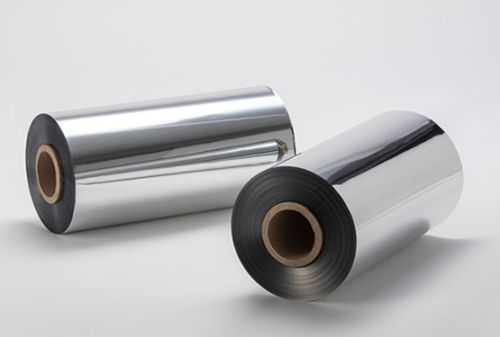
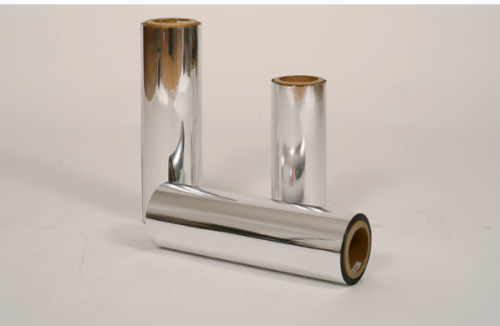
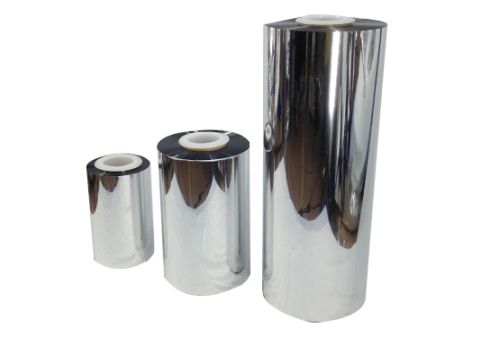
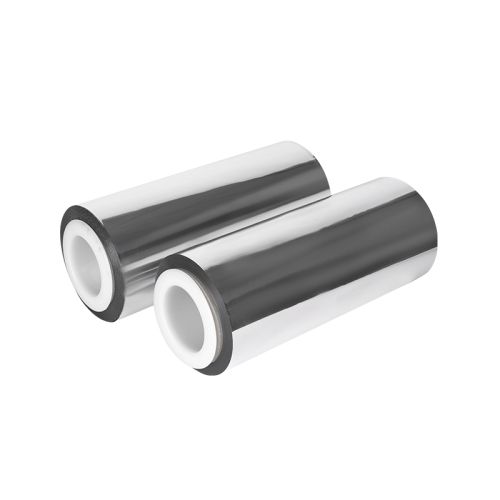
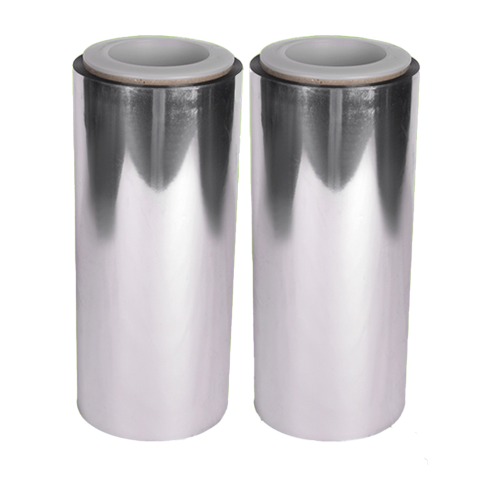
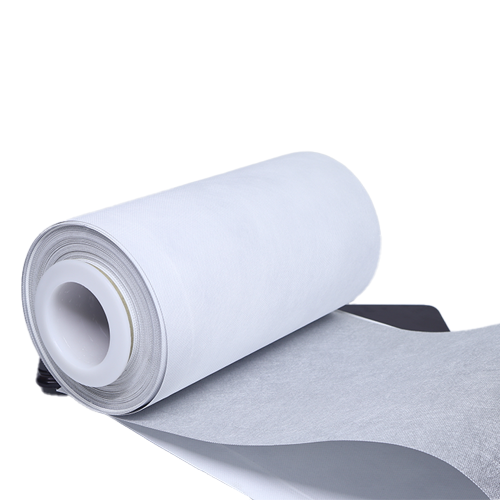
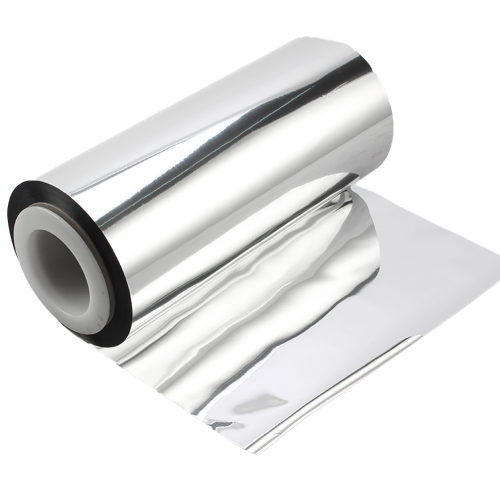
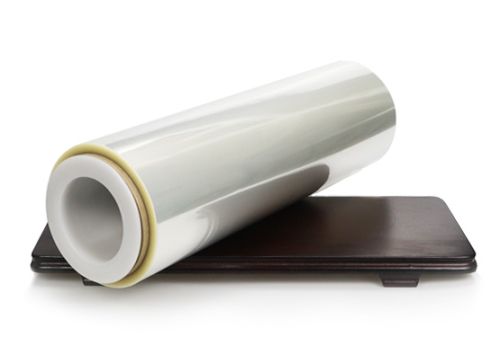
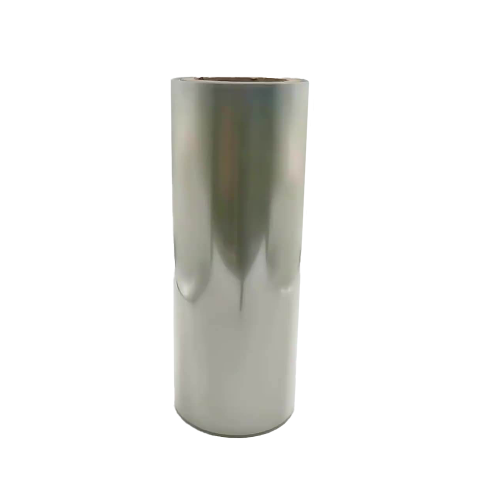
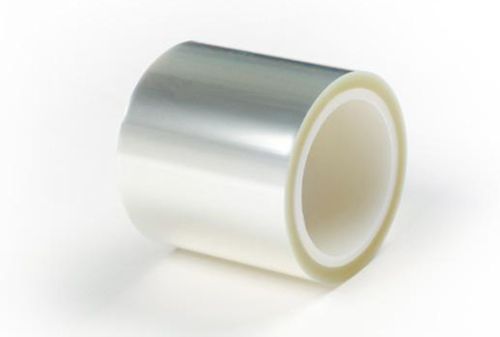
BOPP AlOx Film is a candidate barrier layer for cereal box liners when a converter wants a PP-oriented inner pack without relying on the carton for moisture protection. The liner must also fill neatly, fit the box and open without scattering cereal. These requirements belong to the bag-and-carton system, not to the barrier coating alone.
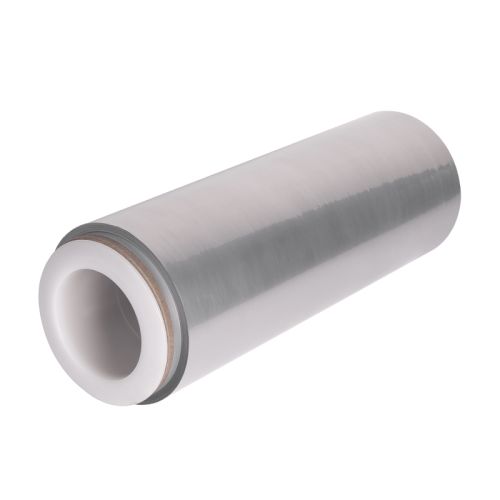
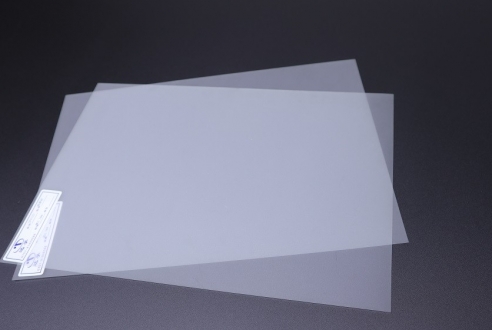
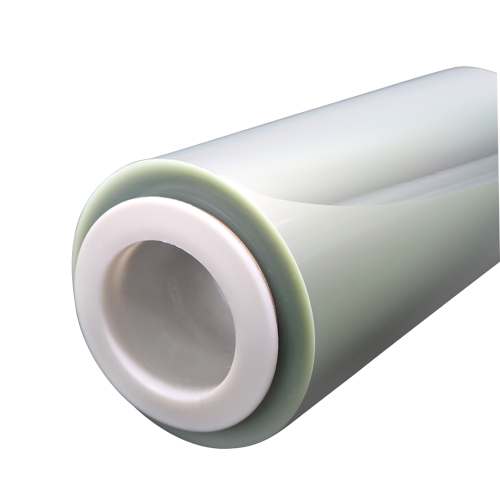
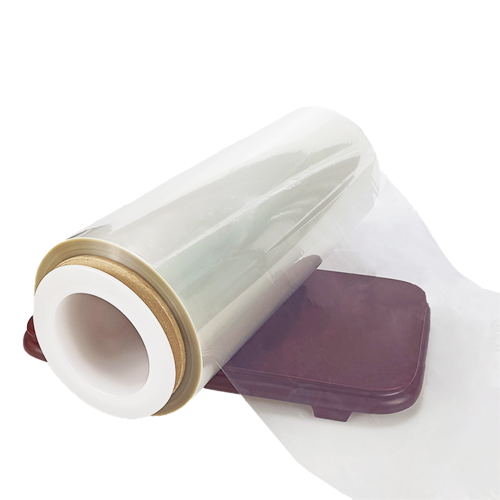
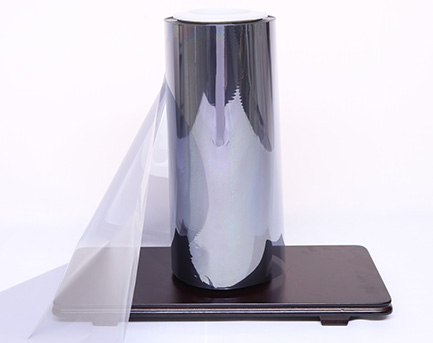
Cailong describes BOPP-AlOx-GZ as transparent AlOx-coated BOPP for food packaging and PP-based structures. An AlOx Film Supplier can provide film information for this development route. A proposed cereal liner still needs its own sealing, conversion and product-storage assessment; transparency and a PP substrate do not establish equivalence with the existing inner bag.
The carton does not answer the liner specification
Begin by separating the functions of the two packaging components. The carton provides printing space, a defined retail shape and some handling support. The closed liner is the part being selected for direct product containment and the required barrier. A carton that looks undamaged can contain an inner bag with an unsuitable closure or local damage.
Identify the current liner, rather than asking only for a recyclable alternative. Record its layers, dimensions, opening method and relationship to the box. If the project also changes carton size or cereal fill volume, keep those changes visible. A tighter box can change liner folding even if the film specification remains unchanged.
Define the product-quality concern with the cereal producer. The relevant observation may be loss of crispness, a recipe-related flavor change or an unacceptable amount of broken pieces. Those outcomes need different evidence. A higher barrier target should address a measured protection requirement, not serve as a substitute for understanding where the current pack falls short.
Where BOPP AlOx Film enters a PP-oriented liner
One laminate to investigate is BOPP / BOPP-AlOx-GZ / CPP, with adhesive interfaces confirmed by the converter. BOPP provides an outer supporting web, the AlOx-coated layer addresses the barrier target, and the selected CPP layer provides the proposed sealing surface. This is a candidate construction, not a cereal liner already validated by Cailong.
The liner may not require the same printing coverage as a stand-alone retail bag. That can change the outer-web brief, but it does not remove requirements for identification, handling or conversion. Agree which surfaces are printed or laminated and how the functional coating will be protected through the equipment route.
A PP-oriented liner can support a material-family change, but the final composition still includes adhesives and any other features. Its relationship to a separate paperboard carton also needs appropriate disposal instructions. Do not describe the complete boxed product as universally recyclable simply because the principal liner films are polypropylene.
Filling and boxing create a distinctive folding sequence
Follow the liner through the actual production layout. Some lines handle a bag separately before boxing, while others use a different forming and insertion sequence. Describe the real route to the converter. A trial that omits insertion into the box may miss folding or contact conditions present in normal manufacturing.
Look at where the liner folds against the carton's base, corners and top closure. A projecting bag seam or excess material can become trapped when the box closes. Inspect filled examples instead of approving a flat laminate on appearance. The useful question is whether the selected construction fits the packaging sequence consistently.
Check the interaction between cereal pieces and the closing area. Flakes or fragments reaching the seal can create a problem unrelated to transmission through the film. Compare samples collected during normal operation with samples after a stoppage. Record the actual defect location before changing barrier grade or adding material thickness.
Preserve product shape without confusing stiffness and cushioning
A liner that feels stiffer does not automatically protect cereal from crushing. Product movement, carton support and filling impact still matter. Examine where breakage occurs and whether it starts before the inner bag is closed. Changing only the film cannot be assumed to correct damage originating in product transfer or case handling.
Compare the candidate and existing liner in the same carton and fill arrangement. If a new gauge changes available internal space, record the resulting fit. Avoid attributing improved presentation to the polymer when the trial also changes carton clearance, headspace or the way the product is settled.
Assess the barrier condition after representative folding and handling if the product brief requires it. OTR and WVTR measured on incoming film do not describe every later laminate condition. Request the proposed grade's measurement conditions and distinguish single-film results from data obtained on the completed construction.
Opening the inner bag is part of the cereal application
The consumer reaches the liner through the carton opening, often with limited room to grip its top. Evaluate that access with the actual box rather than an exposed bag on a bench. The intended opening should not depend on an unrealistic grip or pull direction that the carton prevents.
Agree whether the liner opens by separating a seal, tearing at a defined feature or another approved method. Strong laminate bonding does not determine convenient opening. Check whether the chosen route keeps the cereal contained and leaves a usable bag mouth for pouring. This is a different decision from maximizing seal strength.