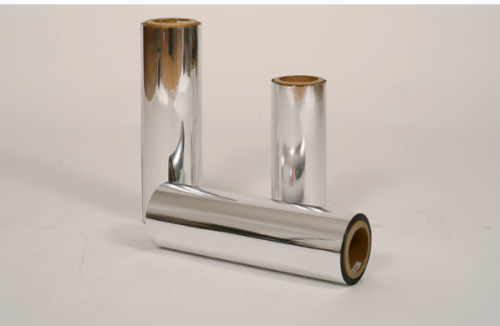
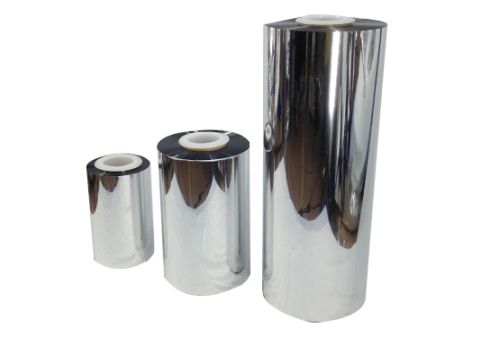
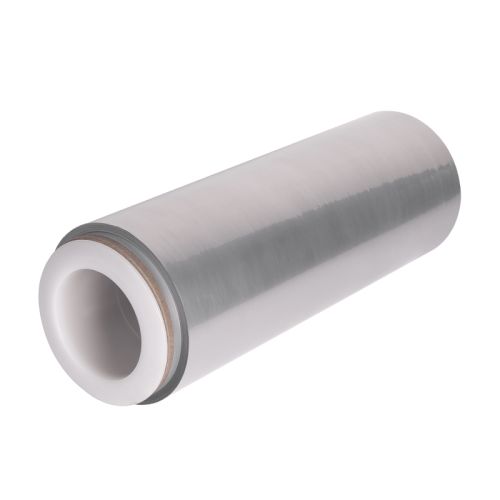
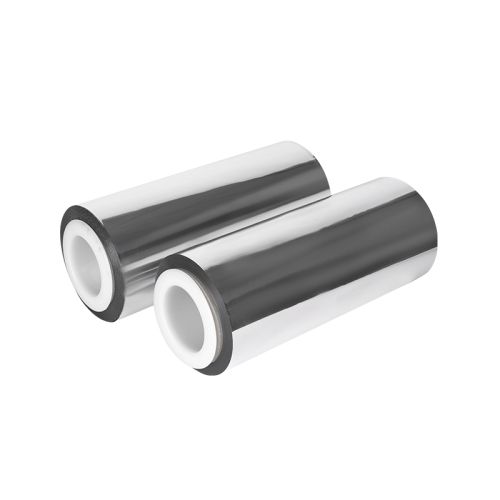
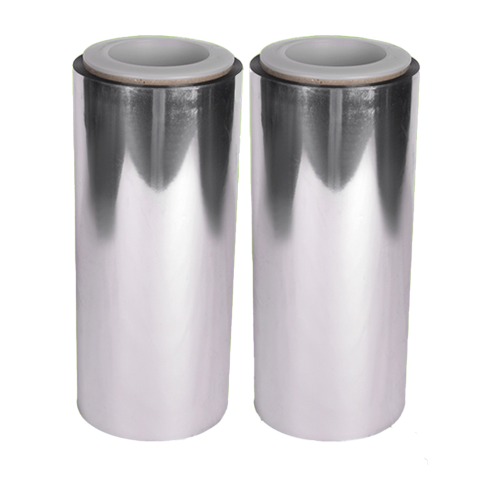
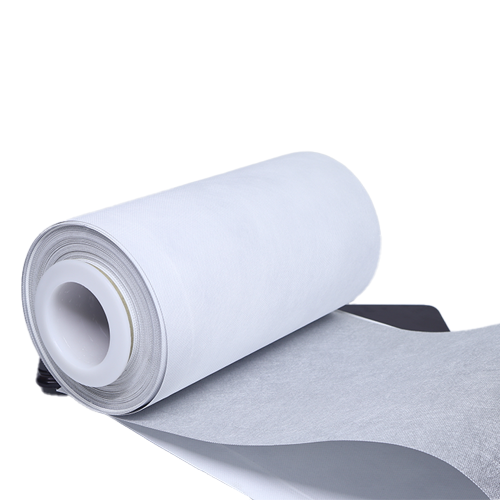
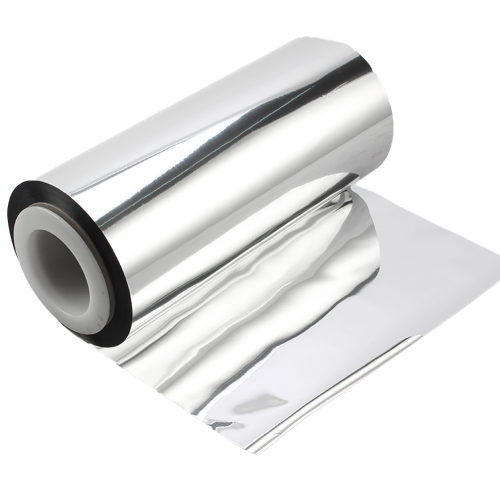
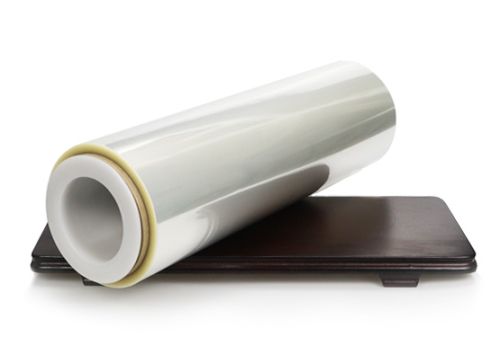
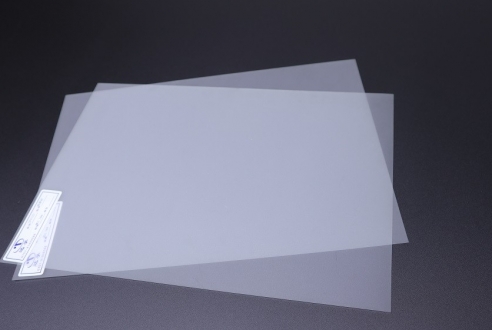
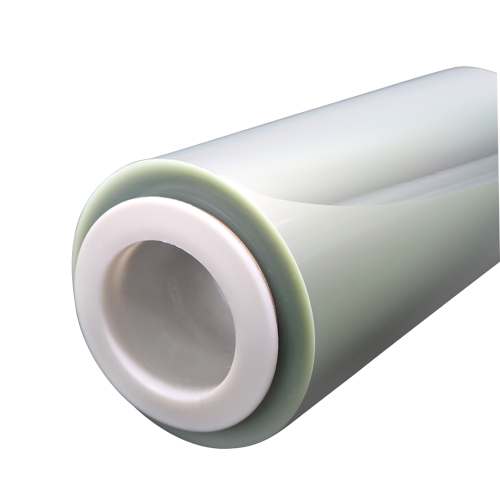
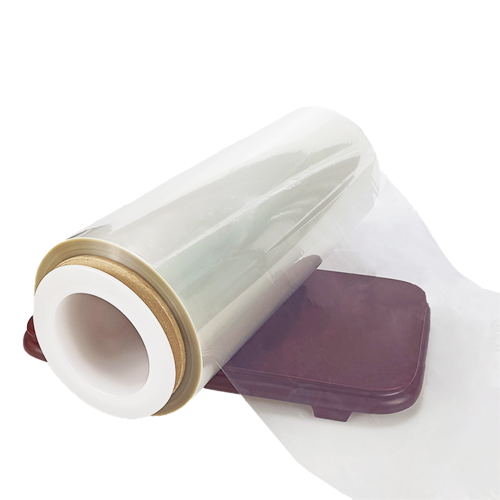
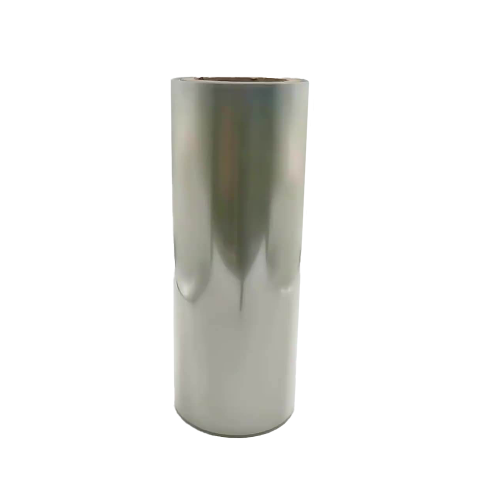
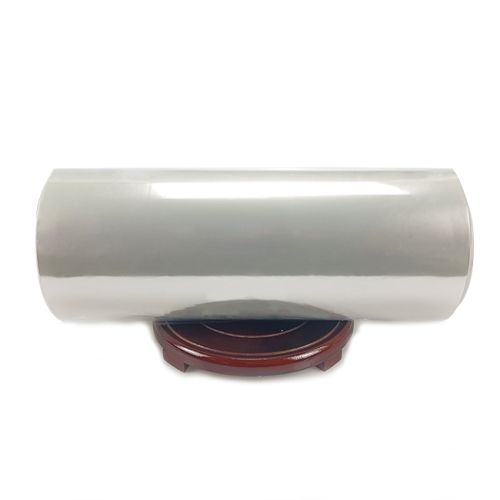
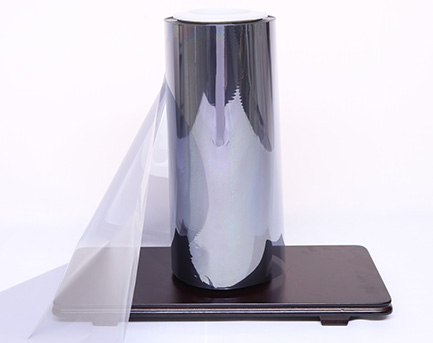
High Barrier Film for a dishwasher-tablet pouch should be evaluated as the outer protective package, especially where individual units have a water-soluble covering. The outer bag and the covering serve different purposes. A PE-oriented packaging redesign must preserve the product owner's moisture-protection requirement and remain practical through repeated opening and dosing.
Cailong's water-based coated MDOPE page describes stiffness, printability and customizable barrier performance for PE-based packaging structures. Its High Barrier Film range provides a candidate route for evaluation, not a confirmed dishwasher-tablet specification. The coating, contact layer and complete pouch need approval against the actual product and expected use.
Distinguish the outer pouch from a soluble unit covering
First identify the tablet format. A bare compressed tablet, a wrapped tablet and a different unit-dose product do not present the same contact surface to the pouch. The material supplier should receive that information before discussing barrier or sealing. Do not assume that an individual covering replaces the outer package's defined storage function.
If the unit covering is water soluble, make clear that the proposed MDOPE laminate is not a replacement for it. The outer bag is being assessed for containment, printing and protection under the intended storage conditions. Dissolution behavior belongs to the product and unit-covering system, not to a general coated PE film description.
Ask the product owner to define the unacceptable change. Units sticking together, a changed covering condition and a damaged tablet are separate observations. Collect examples with their storage and opening history. The investigation needs to establish whether the concern arises in unopened packs, after dosing or during transport.
Define the barrier target before choosing the coating
The linked MDOPE page allows coating-dependent performance, so the word coated does not establish the required moisture barrier. Specify the pouch's WVTR requirement and its measurement conditions with the converter. An oxygen-barrier description is not sufficient evidence for a product whose main packaging concern is moisture exposure.
Request the proposed grade, coating identity and data for the relevant specimen. Distinguish a single web from the finished laminate. If the supplier cannot confirm a suitable moisture-protection construction, retain the current package while another option is assessed. A PE-oriented objective should not override the primary requirement to protect the tablets.
Coated MDOPE / adhesive / suitable PE sealant is one possible outer-pouch structure for discussion. The oriented web supplies the proposed printing and handling surface; the inner layer must suit closure and contact with the actual units. This is an evaluation concept, not a validated Cailong dishwasher-tablet laminate.
Tablet shape changes the mechanical comparison
Unlike a loose powder, individual tablets create repeated contacts at their edges and corners. Record their dimensions, normal variation and any wrapping seams. Examine how units settle inside the bag. A laminate may encounter a local contact pattern that is not represented by a flat specimen or a lightly filled demonstration pouch.
Assess the intended pack count and bag geometry together. A tightly packed design and a larger bag with more movement can produce different contacts in transport. Avoid changing both the film and fill arrangement without recording the change. The comparison should explain which part of the new construction addresses the observed damage.
Look at where a failure begins. A mark against a tablet edge requires a different investigation from a side-seam split. If the individual covering is damaged but the outer bag is intact, inspect internal movement and handling. Increasing the coating's barrier does not automatically correct that mechanical condition.
Repeated dosing makes the closure a separate requirement
Define how the consumer is expected to open, close and store the pouch. A zipper or other reclosure has its own material and interface requirements. Its presence does not establish that the bag is always correctly closed after use. The product owner should specify the intended use assessment rather than relying only on the original factory seal.
Evaluate the actual opening size and access. A narrow mouth may make dosing awkward, while an unsuitable shape can make the closing feature difficult to engage. The MDOPE web's stiffness can influence handling, but that effect must be checked on the assembled pouch. It is not a universal promise of better usability.
Keep unopened and repeatedly opened assessments distinct. Film data concerns transmission through a specimen under stated conditions. It cannot describe moisture entering through an open mouth during dosing. Record opening frequency and closure behavior if they are part of the product's intended use, without extending the unopened result to an undefined situation.
Approve contact and converting for the real product
The detergent formulation and unit covering need their own compatibility review. Provide the relevant contact requirements to the sealant and adhesive suppliers. A film's application in another packaging sector does not approve these interfaces for dishwasher products. The selected coating and laminate should be associated with the actual product being packed.
Inspect the closing area during filling. Broken tablet fragments or displaced wrapping material can enter a seal in ways that a clean empty-film test does not reproduce. Observe the normal feeding route and collect production-style samples. Resolve product presentation and closure defects before attributing later changes to inadequate film barrier.
If the redesign is driven by a PE-oriented material goal, assess the complete package composition, including the reclosure and adhesives. The individual unit covering and outer pouch are separate components. Do not combine their functions into an unsupported environmental claim or suggest that a principal PE web alone establishes recycling acceptance.
Send Cailong the tablet format, unit covering, pack count, current pouch, moisture-protection target and intended dosing routine. Include samples showing sticking, unit damage or outer-bag failure. This gives the coating inquiry a clear decision point: whether a confirmed MDOPE-based laminate can meet the protective and handling requirements of the outer pouch.