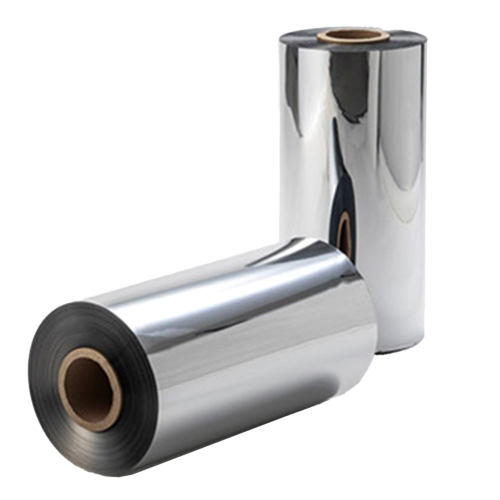
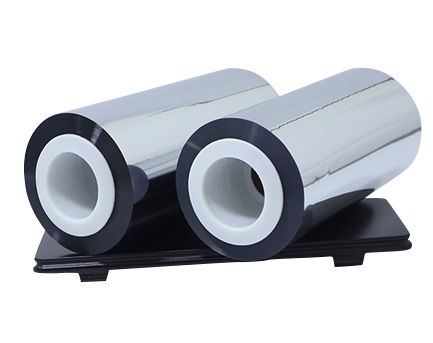
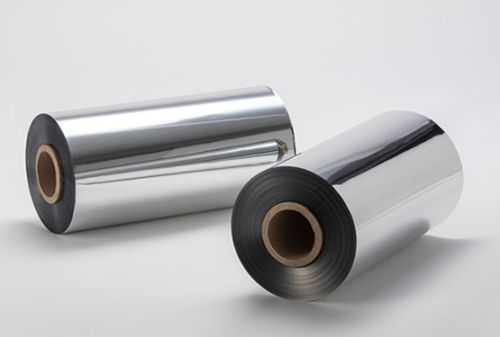
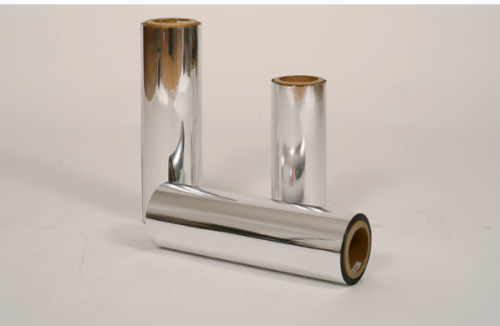
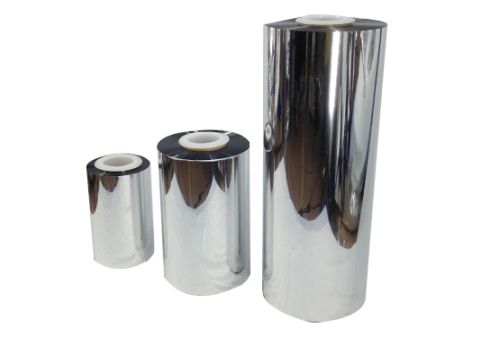
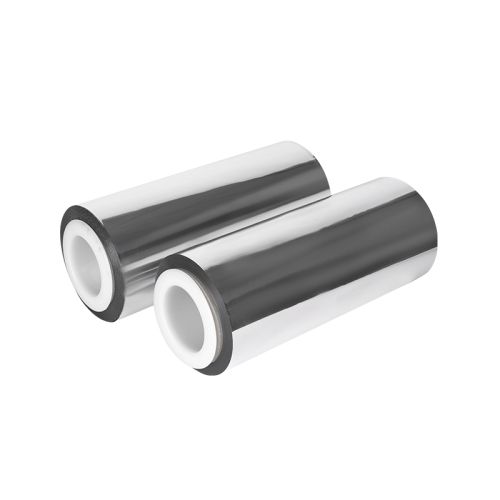
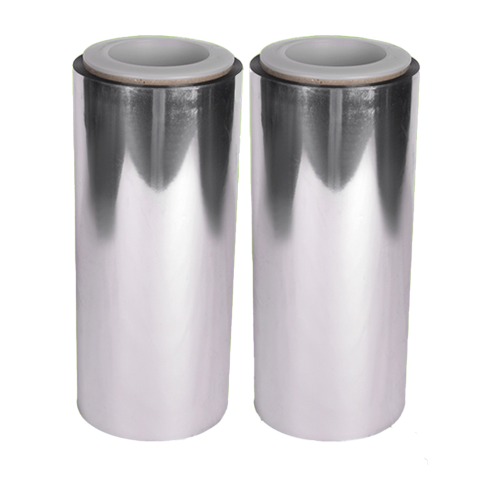
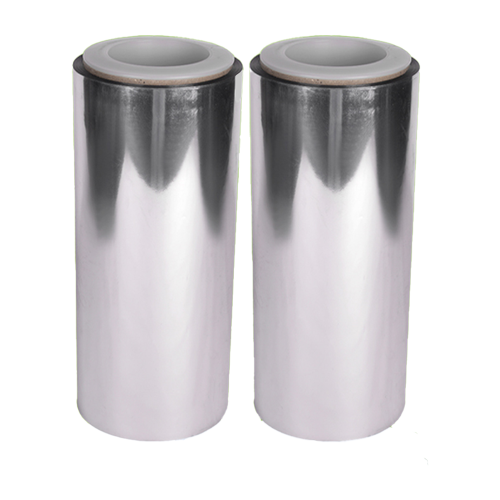
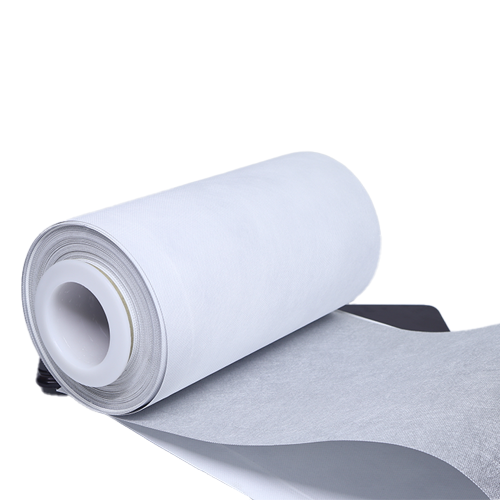
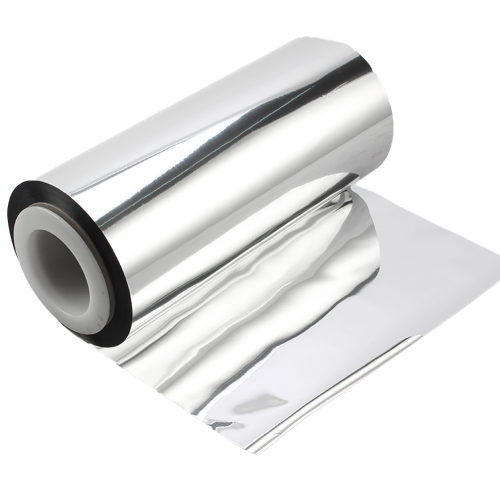
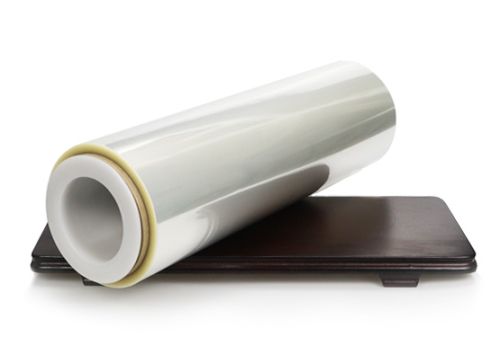
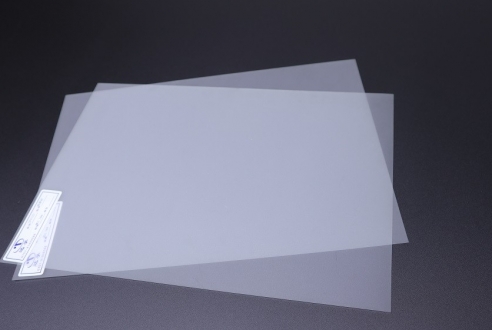
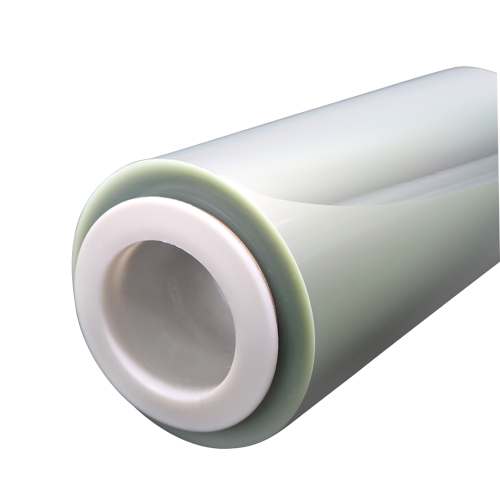
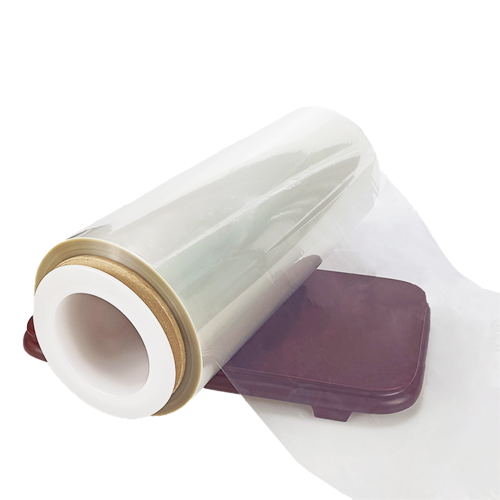
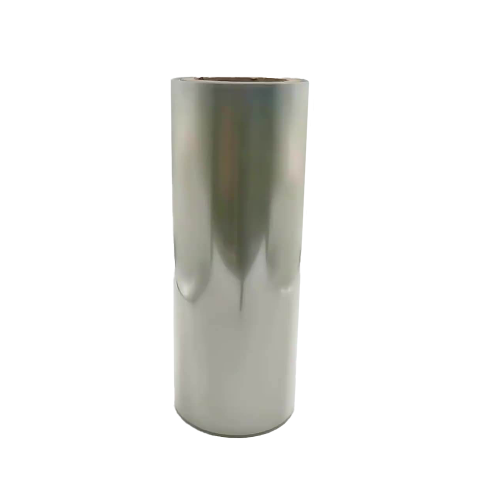
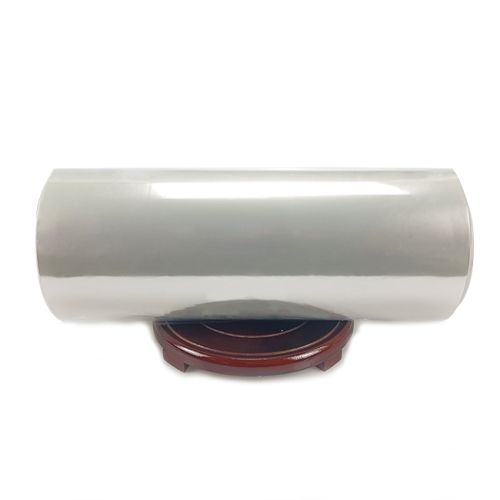
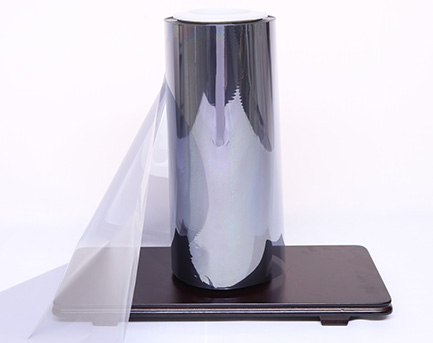
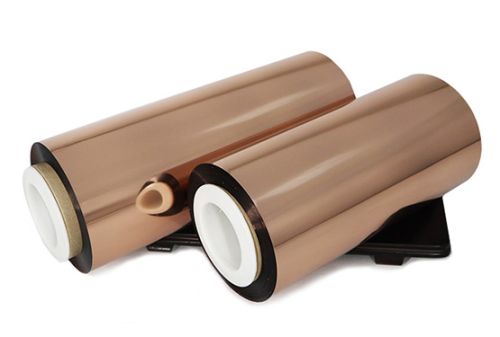
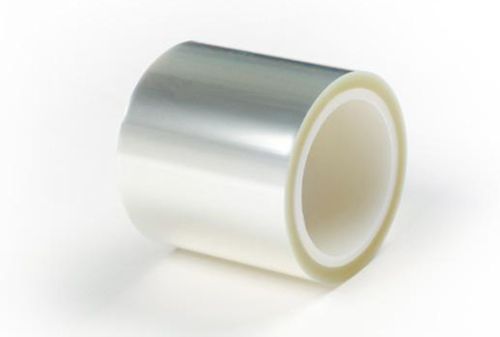
Metallized BOPP Film may enter a laminate-weight reduction project when a converter wants to review both material use and a PP-based packaging direction. The useful comparison is the completed package. Replacing one web with a thinner-looking candidate does not establish lower total material use or acceptable performance if other layers must grow to compensate.
Cailong's film portfolio lists VBOPP-GZ01 as an 18 µm metallized BOPP grade for barrier and light protection, with lamination and sealing characteristics. The site identifies PP-based laminate development as an application direction. This provides a defined starting material for trials, rather than evidence that the grade can be supplied at any lower gauge or deliver a predetermined weight saving.
Account for the whole material construction
List the current print carrier, barrier layer, sealant, adhesives and any additional coating. Identify their actual supplied specifications and the package area used. Film thickness alone is not a complete mass comparison across different materials. A change in pouch dimensions, trim or adhesive use can also affect the result.
Keep the comparison tied to one usable package format. If the candidate requires a larger seal area or a different layout, include that change. Comparing material per square metre while ignoring the area consumed by each finished pouch can make a project look more favorable than its actual output. The converter should agree on the basis before calculating savings.
For an initial screening, separate measured material use from an estimated development target. No percentage reduction is established by the product page. A transparent record of the incumbent and proposed construction makes the trial review more useful to purchasing than a general claim that BOPP is lightweight.
Identify the functions that cannot disappear
The print carrier contributes graphics support and handling. A metallized barrier web contributes protection against oxygen, moisture and light. A sealant supplies the required joining surface and may contribute mechanical behavior. These functions can overlap, but they should not be removed from the specification merely because the project seeks fewer or thinner layers.
One possible structure for evaluation is printed BOPP / adhesive / metallized BOPP / adhesive / CPP. The layers provide printing, barrier and sealing roles within a proposed PP-oriented arrangement. This is a candidate construction requiring converter confirmation. It is not proof that the same thickness allocation can replace every PET-containing or foil-containing incumbent.
If the proposal combines functions in fewer layers, specify which surface carries each duty. The VBOPP-GZ01 page includes a sealing reference, but that does not qualify every printing, bonding and sealing arrangement. A two-layer concept should be assessed on its own construction rather than inherit results from a three-layer trial.
Compare stiffness and handling before the production run
Material reduction can change how a web tracks, forms and presents the package. A smaller amount of material may be commercially useful only if the converting route remains workable. Check the candidate under the intended print, lamination and pouch-making conditions instead of assuming that an acceptable hand sample predicts machine behavior.
Use the actual pouch dimensions and the relevant filling arrangement. A reduction that works in a small flat sample may alter shape control in a larger pack. Observe the result the customer needs, such as stable presentation or reliable filling, rather than specify stiffness only because the incumbent has a familiar gauge.
Record where compensation becomes necessary. If an outer carrier needs additional thickness to restore handling, include it in the mass comparison. If the existing equipment can accommodate the candidate through a justified adjustment, document that route. This connects the material decision with usable output instead of treating the incoming web as the finished economic result.
Keep adhesion and sealing references in context
For VBOPP-GZ01, the site lists aluminum-layer adhesion with an EAA-based specification of at least 2.5 N/15 mm and a reported test value of 2.8 N/15 mm. This reference concerns the stated method. It is not the peel strength of the customer's selected laminate adhesive.
The same grade has a heat-seal strength specification of at least 2.0 N/15 mm, with a reported value of 2.3 N/15 mm at 135°C, 0.18 MPa and 1 second. Those conditions belong with the figure. They do not define the entire machine operating window or establish sealing behavior for a modified construction.
In a weight-reduction trial, follow the actual failure location when a bond or closure changes. A weaker-looking package may have an interface problem rather than insufficient bulk film. Adding material without identifying that cause can increase weight while leaving the process limitation unresolved.
Verify protection after the chosen conversion route
The product page does not provide usable numerical OTR and WVTR values with confirmed units and conditions. Request the current conditioned barrier information for the exact grade before comparing it quantitatively with the incumbent. Do not infer oxygen or moisture performance from optical appearance or an unqualified high-barrier description.
Assess the candidate after converting and handling relevant to the project. The lighter construction must still protect the intended contents and maintain closure integrity. If it changes opacity or light protection, include that requirement too. A material reduction that misses the product-protection target is not a successful replacement.
Make the decision on released packages
Compare usable package yield, material consumed and the required performance together. Scrap, trim and additional processing can alter the commercial outcome even when nominal laminate mass is lower. Recycling compatibility also requires review of the complete construction and applicable collection system. A PP-based development route alone is not a recycling certification.
To evaluate metallized BOPP for laminate-weight reduction, provide the current layer specifications, package dimensions and reason for changing. Include the minimum handling, barrier and sealing requirements plus the relevant production constraints. This lets the converter compare a defined 18 µm candidate within a complete structure and determine whether the project reduces material use without shifting an unresolved requirement into another layer.