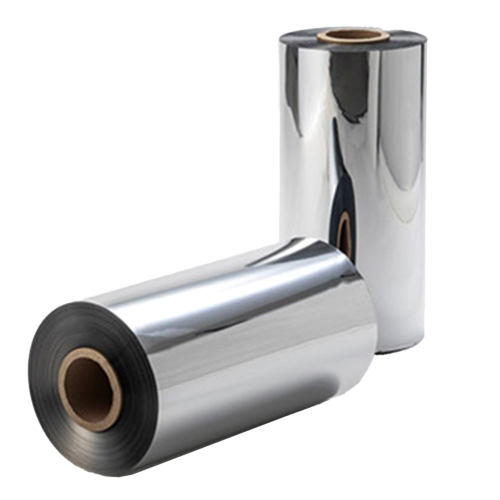
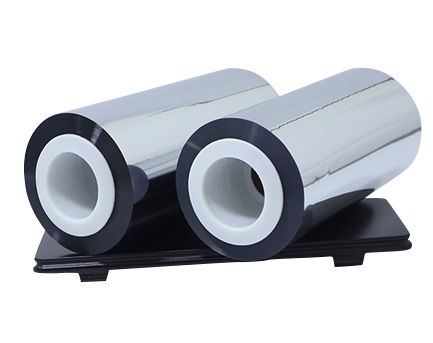
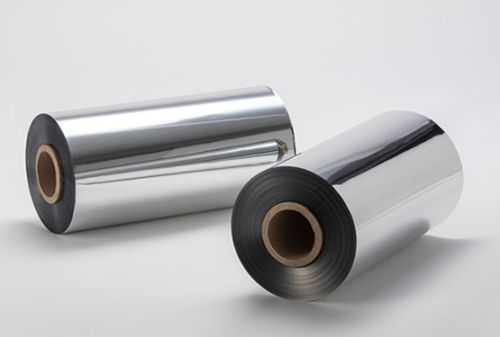
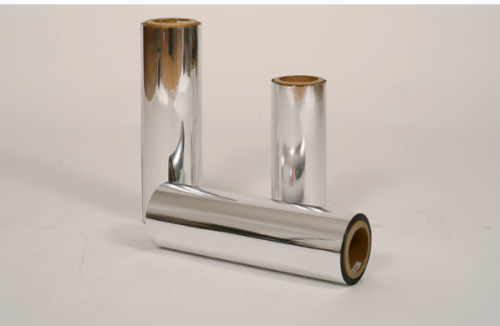
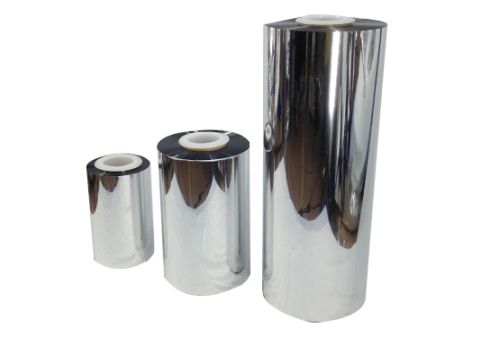
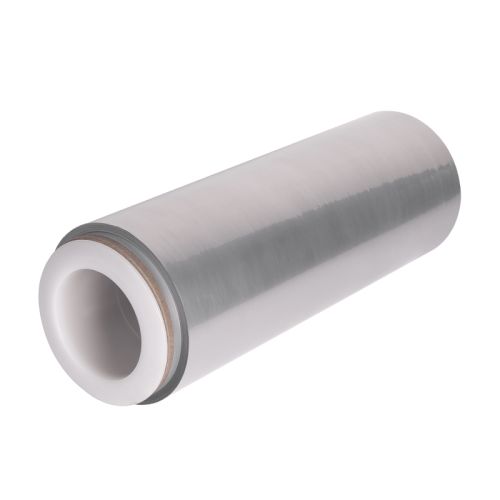
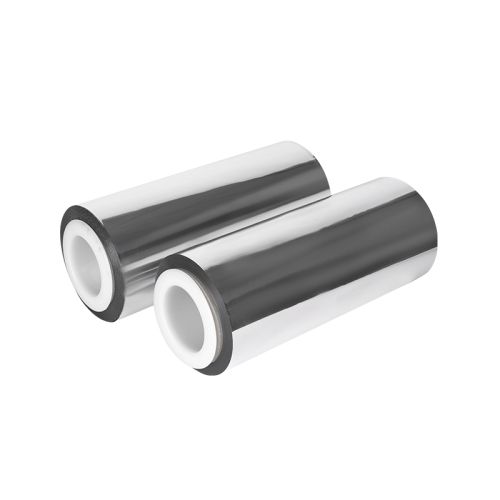
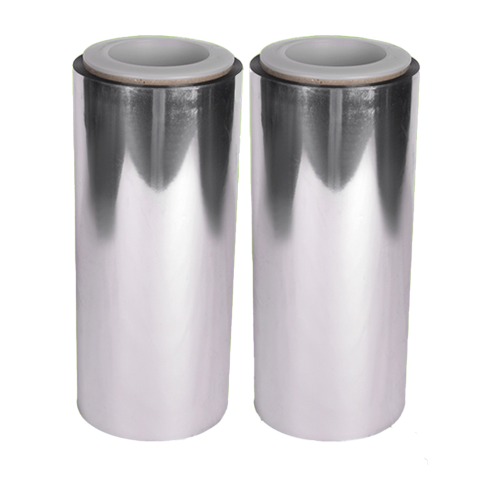
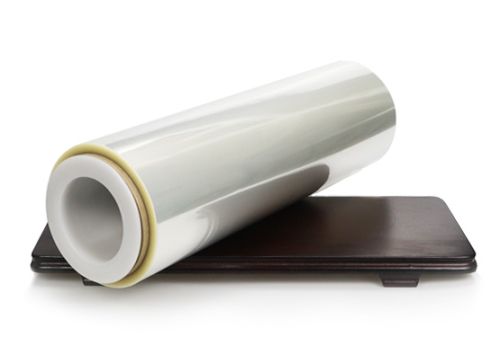
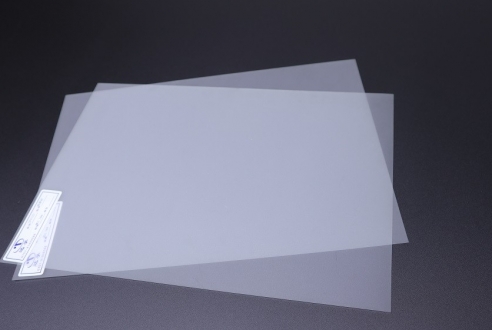
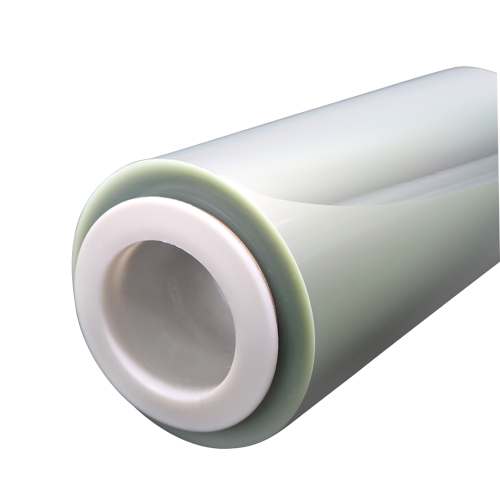
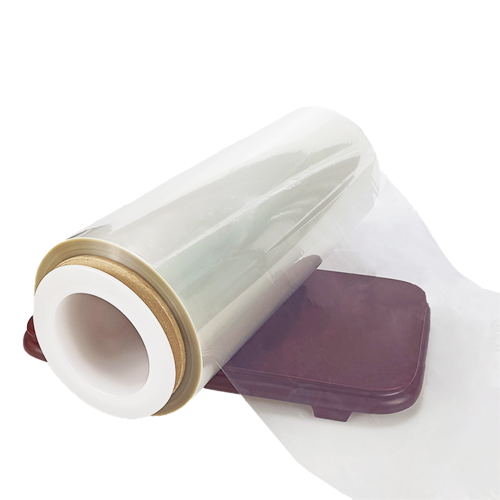
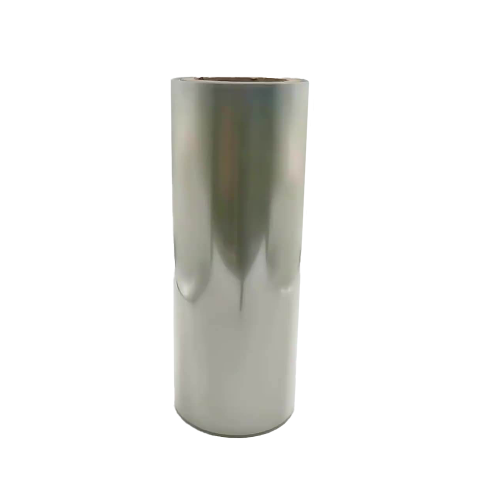
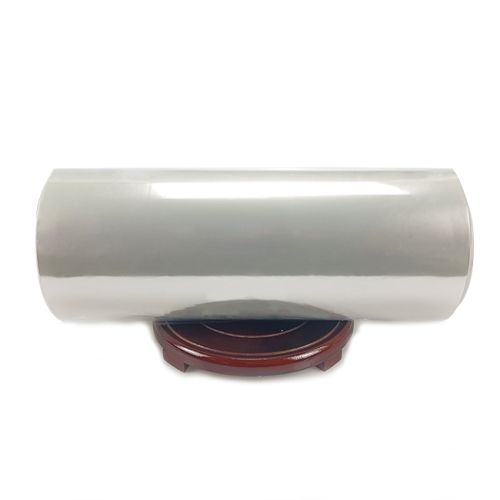
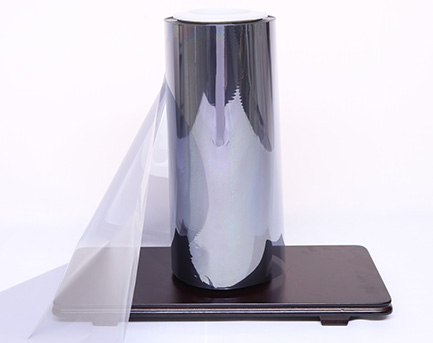
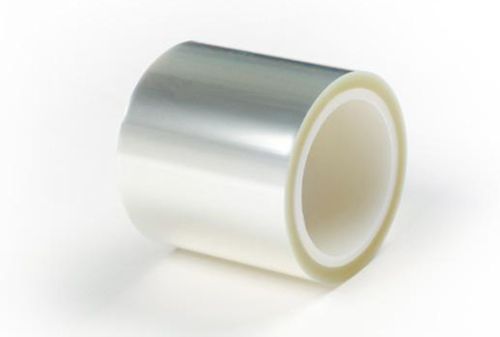
Anti-UV PET Film becomes relevant when a window laminate needs a defined ultraviolet-protection function. However, a headline blocking percentage does not tell a buyer which wavelengths are covered, how the measurement was weighted, or what the assembled window will look like. Those questions should be settled before comparing quotations for an automotive or architectural film project.
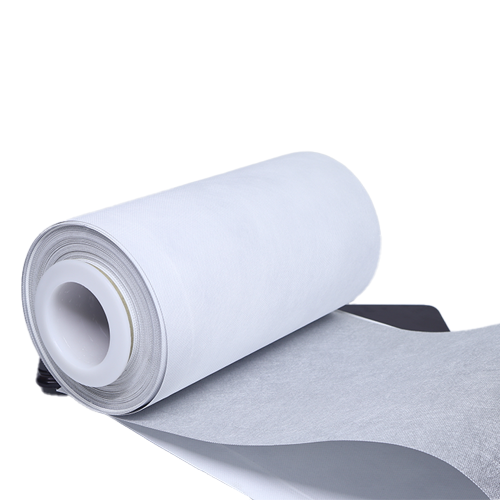
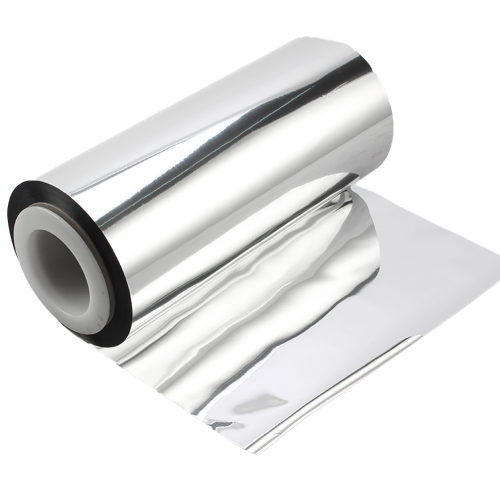
Cailong's film portfolio includes a UV-resistant polyester film intended for lamination, with window films and architectural glass among its listed applications. The product description establishes a UV-protection direction. Selecting a particular construction still requires optical evidence for the chosen film, adhesive and glass combination. A material description alone cannot establish an installed window's complete performance.
Turn a blocking claim into a spectral question
Ask the supplier for transmission plotted against wavelength and identify the interval used to calculate any reported UV-blocking figure. Two numbers carrying the same percentage symbol may describe different spectral intervals or calculation procedures. Without that information, the apparently stronger result may not address the exposure that matters to the application.
For example, a customer evaluating a display behind glass may be concerned about light-sensitive contents, while an automotive converter may be working to a particular glazing specification. These are different design briefs. Define the required coverage through the responsible application team rather than choosing a cutoff solely because its marketing label sounds broader. Keep the full curve available when the purchasing summary is shortened.
The transition from low transmission to higher transmission also deserves attention. A curve reveals whether that transition occurs where the designer expects it. A single integrated result hides this detail. Request the instrument range, baseline and specimen construction so that an apparent difference between samples can be interpreted.
Keep visible appearance in the same comparison
The buyer usually needs usable visibility as well as UV control. Assess visible transmission, haze, tint and reflected appearance on the intended laminate. These are separate observations. A sample can appear clear on a light table yet show an unwanted color when placed beside an existing pane or viewed from outside a building.
Prepare comparison panels on the same glass and with the same adhesive thickness. Include an unmodified reference panel. Examine the panels against both light and dark backgrounds, because a visual judgement made in only one setting may miss reflected color or a slight cloudy appearance. Photographs help record the trial, but exposure settings and screen reproduction make them a poor replacement for physical approval.
Do not describe UV protection as evidence of solar heat rejection. If the customer also requires a thermal-control function, that requirement needs its own measurements and construction evidence. Separating the two decisions avoids asking one UV result to prove an unrelated window benefit.
Test the optical stack the customer will buy
The supplied PET is only one part of a window assembly. Glass, adhesive, other functional layers and protective coatings contribute to the final optical path. A practical development sequence compares the incoming film with the converted laminate and then the laminate mounted on the intended glass. Label every specimen so those stages cannot be confused.
This comparison helps locate a change introduced during conversion. If the incoming film is acceptable but the laminated panel develops haze, the investigation should include adhesive mixing, cure, trapped moisture and contamination. Increasing the UV-protection level would not necessarily address any of those causes. Start with the process step at which the appearance first changed.
Likewise, a result measured through one glass type should not be transferred automatically to another glazing project. Record the substrate identity and thickness alongside the laminate build. That information makes later sample discussions reproducible and helps the customer distinguish a film change from a glass change.
Check whether the protection survives conversion
Lamination pressure, web tension, drying and subsequent forming or installation can alter the condition of the functional layer. Assess the optical curve and visual appearance after the process that the candidate will actually encounter. Where the design includes an exposed functional surface, define how it will be protected during handling and use.
An aging study should match the intended application and its approval route. Compare initial and aged transmission rather than reporting only that the sample still looks clear. A change in the spectral transition could matter even when the eye sees little difference. Conversely, visible yellowing could become unacceptable before a chosen UV criterion fails.
These observations do not establish that a particular film will or will not age satisfactorily. They define the evidence needed for that decision. Any service-life statement should come from an agreed exposure program and the relevant assembly, not from the general durability of polyester.
Compare a replacement against the existing laminate
A converter considering a new UV-protection layer should retain a sample of the current material and its finished construction. Compare both under one measurement procedure. This is more useful than setting two unrelated supplier data sheets side by side, especially when the existing product has been accepted by appearance rather than a complete optical specification.
Separate mandatory criteria from preferences. Required spectral coverage and any application-specific approval belong in the mandatory group. A preferred tint, target gauge or change in lamination handling may be negotiable. This distinction lets the technical discussion focus on whether the candidate addresses the reason for replacement without disguising a compromise elsewhere.
The sample request should therefore state the glazing application, required UV interval, desired visible appearance and intended laminate sequence. Ask for the selected grade's optical evidence and enough material to prepare mounted panels. Anti-UV PET film is a useful candidate when its spectral behavior and conversion performance fit that brief. The purchasing decision becomes clearer when the buyer can connect the measured curve to the actual window construction.