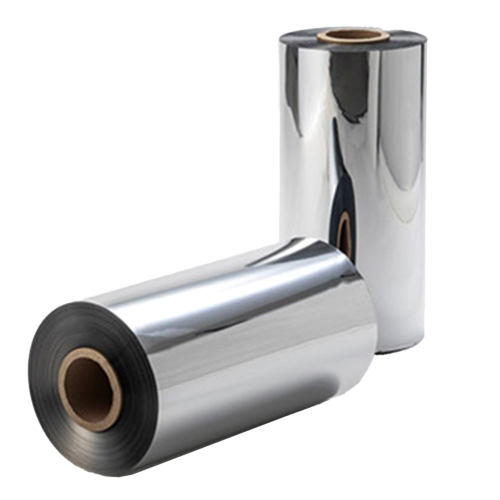
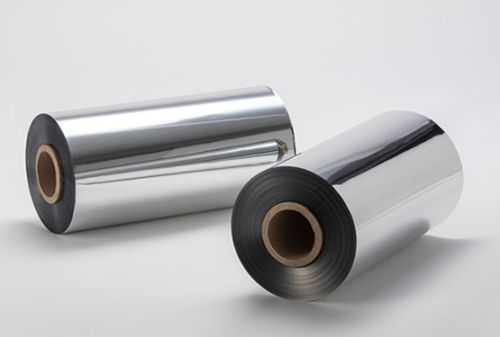
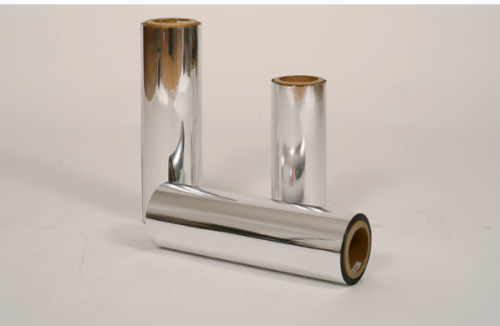
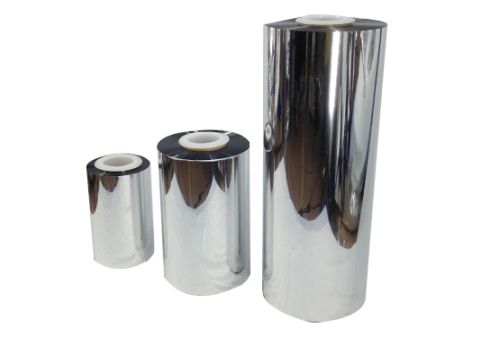
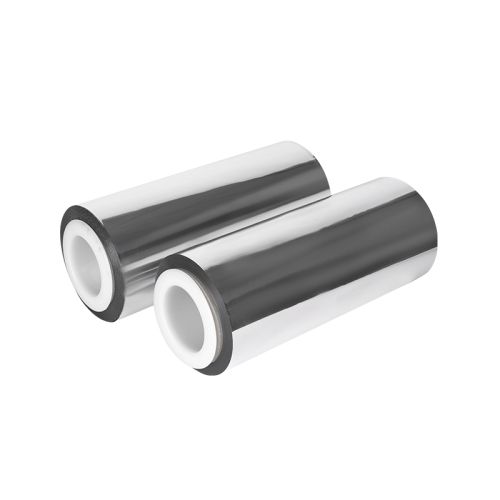
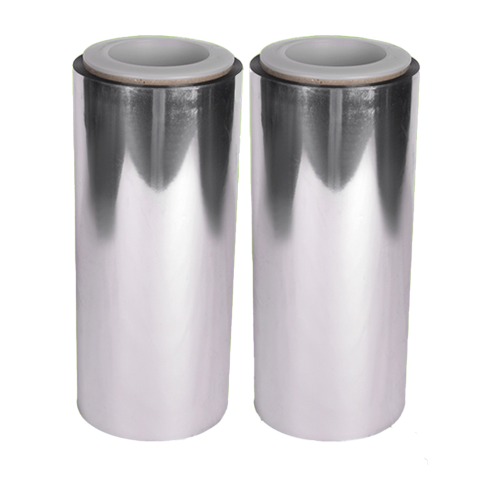
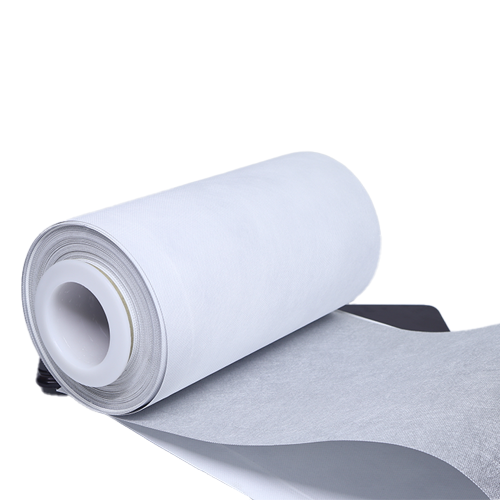
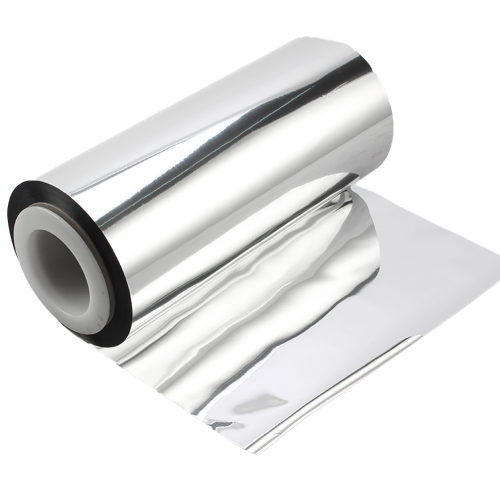
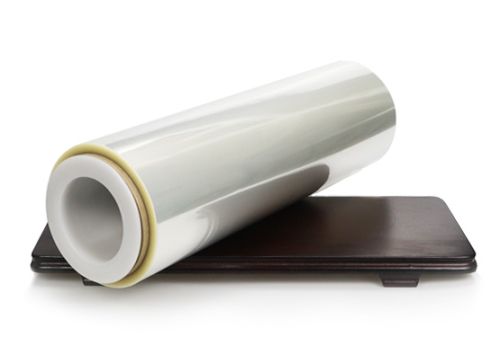
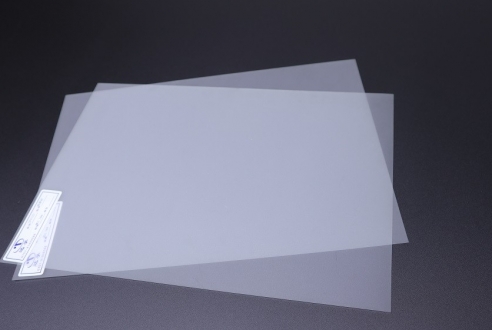
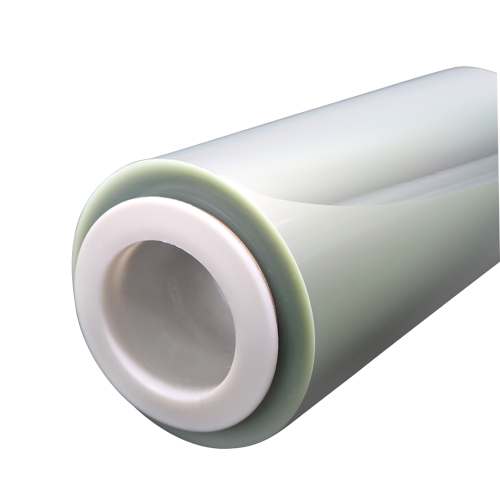
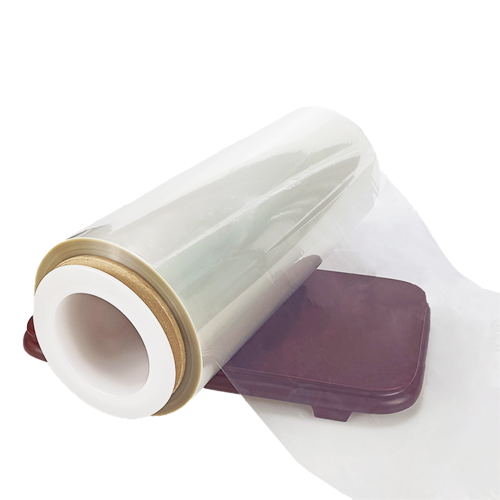
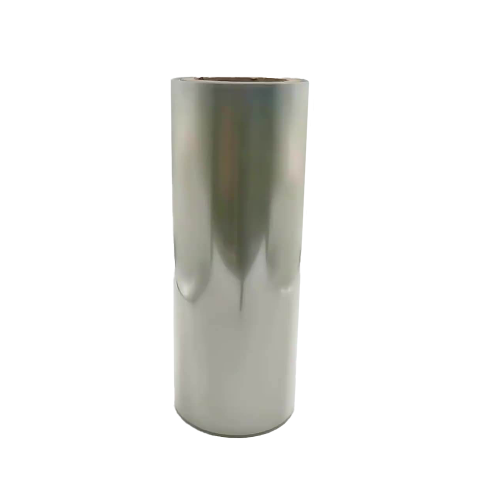
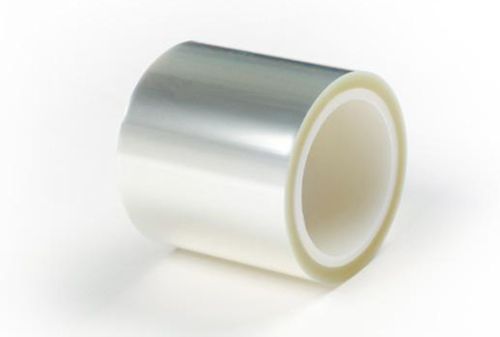
BOPP AlOx Film can provide a transparent barrier direction for a PP-based pouch, but it does not by itself establish how a loaded seal behaves over time. A package may pass a short peel-strength test and still develop gradual opening during storage. The buyer needs to connect the barrier film, sealant and package geometry with the sustained load that the closure actually carries.
Cailong's film portfolio describes AlOx-coated BOPP for oxygen- and moisture-sensitive packaging, including its role as an intermediate layer in laminated structures. The brochure also identifies transparent BOPP AlOx material for laminate development. These facts support barrier selection. They do not provide a seal-creep rating for the customer's sealant, filled pouch or storage condition.
Distinguish three different seal observations
Hot tack concerns a seal while it is still hot soon after formation. A short peel test measures separation under its defined mechanical procedure. Sustained-load assessment observes what happens while a load remains applied for a period. A result from one of these evaluations cannot be used as a complete substitute for the others.
Describe the actual complaint before choosing the trial. Does the mouth open immediately after filling, separate during a pull test, or move gradually while the package remains loaded? Recording when the change occurs helps the converter choose the relevant investigation rather than repeatedly increasing a setting that already produces acceptable initial seals.
Keep the failure location visible. Separation within the sealing interface, tearing of the wall and delamination beside a seal are different events. A statement that the bag failed under weight is too broad to show which part of the construction needs attention.
Draw the load path through the package
Show how the filled pouch is supported during storage and handling. A top closure carrying suspended contents has a different load path from a package resting on its base. Local bending at a folded seal or a hanging feature can also change how force reaches the closure.
Identify fill mass, orientation and the actual points of support. Do not assume that total product weight acts uniformly across the seal width. The package drawing and representative filled trials should establish which regions carry the demand. This is especially useful when failures repeatedly start near one end rather than across the whole closure.
Consider whether the packaging format can reduce the load on a critical seal. A change in support or seal geometry may be worth evaluating alongside material selection. It should remain a documented design change, with its effects on filling, handling and consumer use checked before approval.
Assign the barrier and sealing roles correctly
The AlOx-coated BOPP contributes the wall's transparent barrier function. The selected sealing layer forms the closure, while adhesive interfaces transmit loads between the layers. A laminate intended to move toward PP-based packaging needs each of those functions to be identified explicitly.
One possible structure for evaluation is an outer PP web, an AlOx-coated BOPP barrier layer and a suitable PP sealant, joined through the converter's selected system. This is a development arrangement requiring confirmation. Neither a shared polymer family nor the presence of a barrier coating proves the complete package's recyclability or load resistance.
When replacing an existing PET-based structure, retain its performance as the reference. The reason for the redesign may involve material composition, but the candidate still needs to meet the required storage and closure function. A lighter or compositionally simpler wall should not be approved solely because its flat-film barrier is adequate.
Use realistic temperature and exposure time
Define the period and environmental condition relevant to the package. A short room-temperature comparison cannot establish behavior during a longer warm-storage exposure. The testing team should select conditions from the distribution brief, rather than choose an arbitrary accelerated treatment and translate it directly into a shelf-life promise.
Control how the load is applied. A laboratory strip may be useful for comparing sealant combinations, while a complete filled pouch includes wall stiffness, folds and seal intersections. State the purpose of each specimen so a screening result is not mistaken for full package qualification.
Record the state of the package before testing and observe it at defined points. Gradual movement can be informative even before a complete opening occurs. Retain the location, direction and extent of that movement in a consistent record instead of reducing every sample to one final pass or fail.
Examine the sealing process without overcorrecting it
Confirm the sealant identity, orientation and sealing conditions used for the trial. Temperature, contact time and pressure must follow a suitable process study for the actual construction. There is no universal machine recipe in the AlOx barrier-film description that guarantees sustained-load performance.
Inspect for wrinkles, product contamination and uneven contact before attributing the complaint to sealant creep. A channel formed during sealing may produce leakage without gradual separation. If a defect already exists at the start, a later failure under load does not establish time-dependent behavior as its original cause.
Do not assume that a higher seal-strength number solves every sustained-load problem. Review the observed failure mode and the package requirement with the sealant supplier. A process adjustment can move the weakest point to an adhesive interface or distort the wall, so the complete construction needs reassessment after a change.
Keep protection requirements in the approval
After representative loading, inspect package integrity and the relevant barrier performance. A closure that has moved but not visibly opened may still require investigation under the agreed acceptance criteria. Conversely, an intact closure does not establish the condition of every stressed region in the wall.
The useful purchasing record links the BOPP AlOx grade with the chosen sealant, laminate, seal drawing and sustained-load evidence. Send Cailong the packaging structure and protection brief, while providing the converter with the failure location, support arrangement and storage history. This allows a transparent PP barrier option to be evaluated on the right basis: a protected product in a closure that remains functional through the actual time, temperature and load it must withstand.