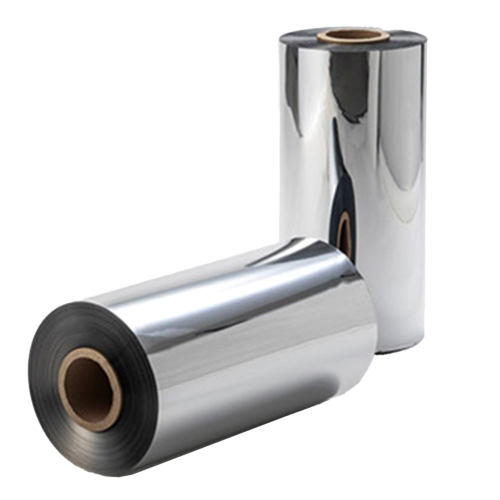
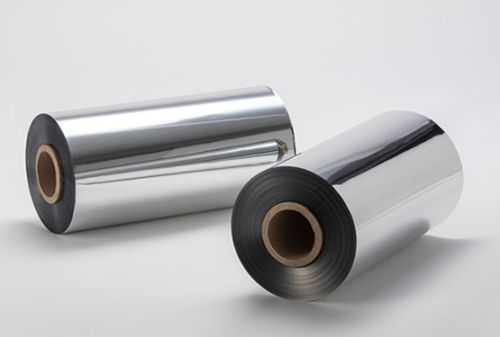
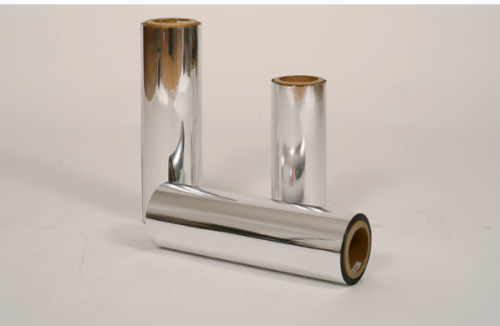
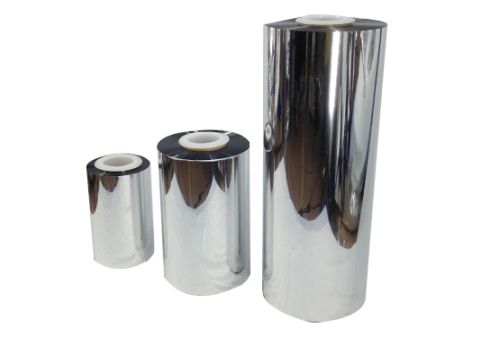
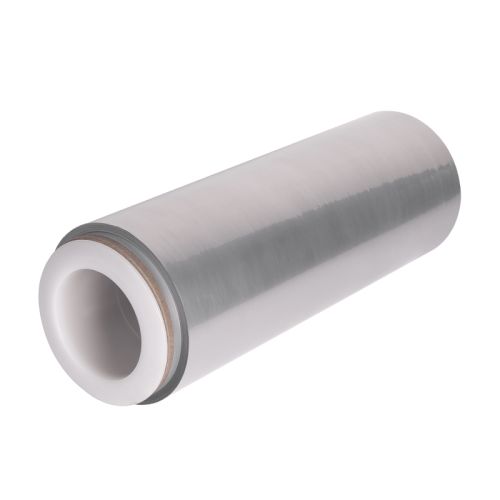
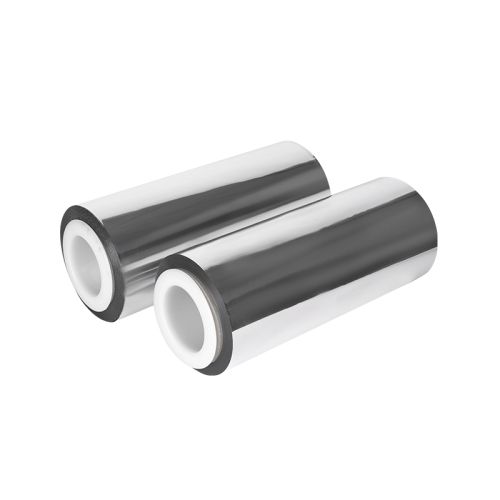
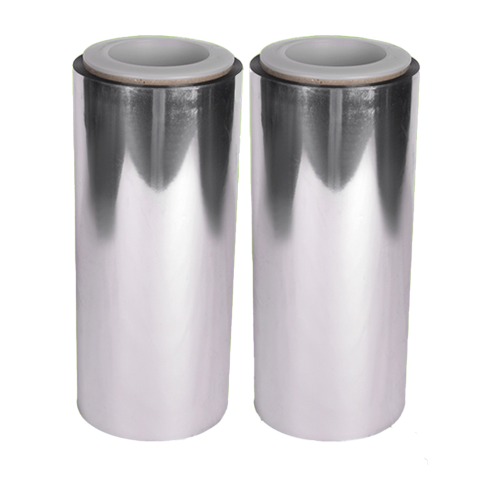
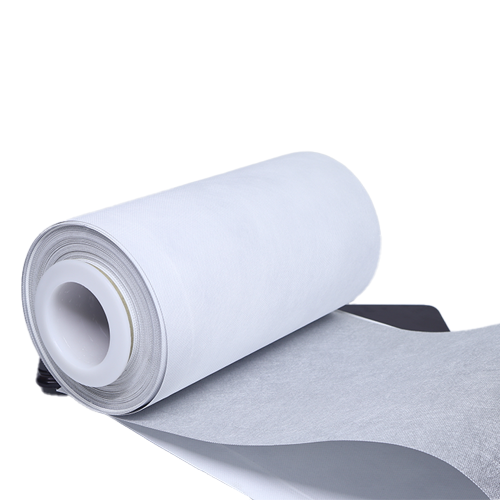
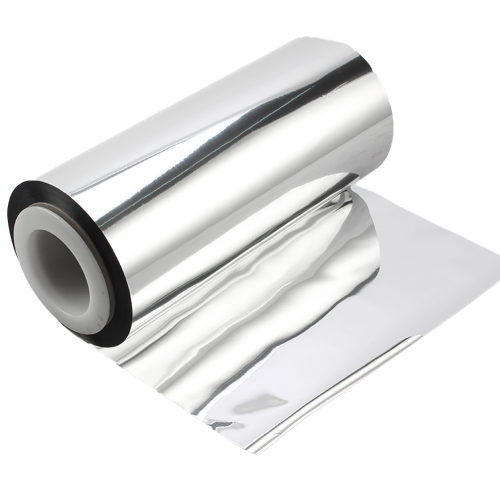
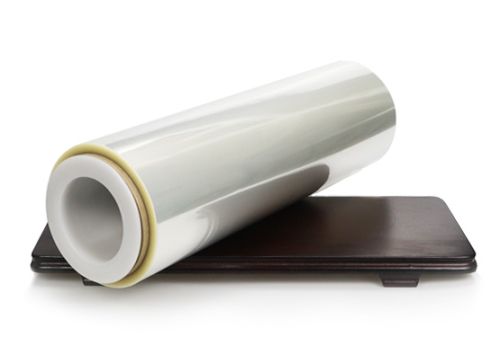
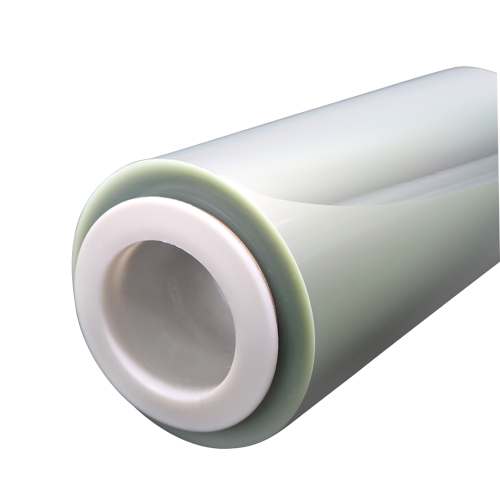
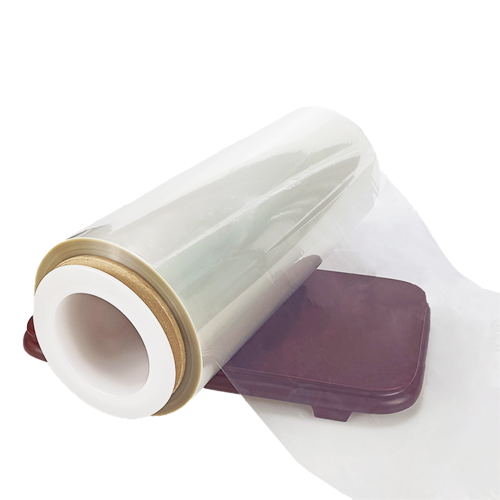
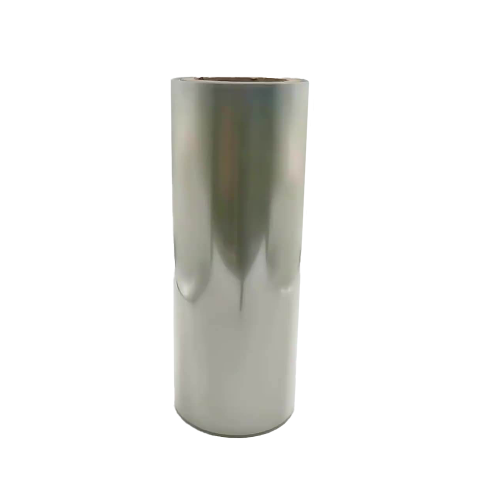
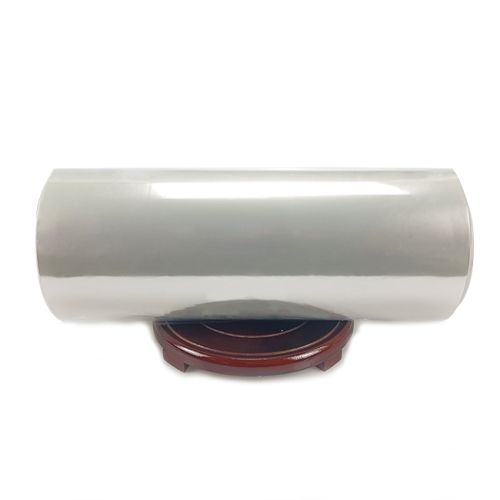
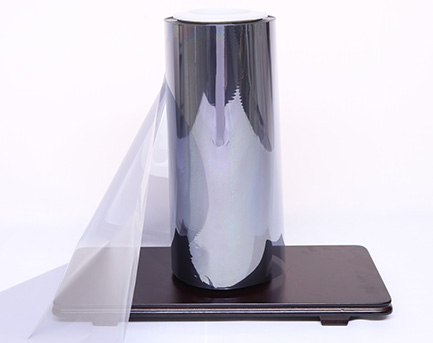
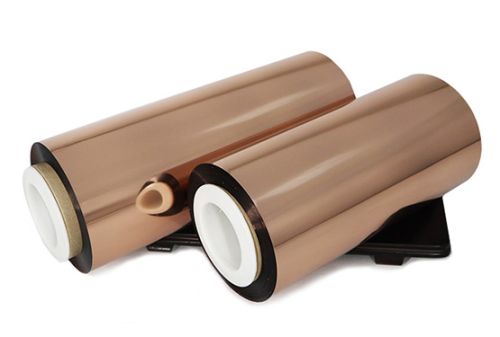
Metallized Paper can help a converter develop a paper-based pouch with printing, barrier and sealing functions in one supplied construction. A gusseted bag adds a practical complication: the closure crosses regions with different numbers of material layers. If a narrow channel remains at that transition, good oxygen and moisture resistance through a flat wall cannot make the package leak-tight.
Cailong's film portfolio offers high-barrier metallized paper, and its brochure shows a paper, coating, metallized layer and heat-seal layer arrangement. Direct printing and direct bag making are identified capabilities. Those features justify a pouch-conversion study. They do not establish that every gusset drawing or sealing-tool arrangement will close without channels.
Locate the leak before changing barrier material
Mark the leakage location on the actual bag. Compare the flat part of the closure with the point where the gusset enters it. A defect repeatedly located at that transition suggests a more focused investigation than a general conclusion that the incoming paper has insufficient barrier.
Separate a channel through the closure from damage in the folded wall. A crease-related barrier change and an unsealed passage can both affect product protection, but they are different mechanisms. The converter needs evidence of which path exists before adjusting the coating specification or changing the entire package structure.
Keep unopened and opened samples for comparison where practical. Opening a pouch can alter the very fold that needs inspection. Record the original geometry and use an integrity method appropriate to the package so the investigation does not depend only on what the seal looks like after it has been peeled apart.
Map every contacting face at the intersection
Draw a section through the gusset and identify the functional heat-seal face. Show how that face meets the opposite surface at each part of the closure. The fold pattern can create a contact arrangement that differs from the simple two-face seal used in an initial laboratory strip test.
Confirm material orientation with the supplier. A metallic appearance or a printed image is not enough to identify every functional layer. If a location places two surfaces together that were never qualified to seal, increasing temperature alone may not address the construction problem.
Count the layers across the actual closure rather than assuming a fixed number for every bag format. Local thickness changes influence how the tool contacts the stack. The drawing should also show folds, overlaps and any additional features near the transition so the trial represents the commercial pouch.
Review tool contact across the thickness change
A nominal sealing pressure does not prove uniform local contact through a stepped material stack. Examine the jaw arrangement, backing support and alignment with the equipment team. A repeated gap at one location can require a tooling or format investigation rather than a different barrier web.
Do not prescribe a universal jaw profile or compliant backing from a material brochure. The right arrangement depends on the bag drawing, equipment and sealing layer. Ask the converter and machine supplier to identify options that can be tested without creating an uncontrolled pressure difference elsewhere in the closure.
Inspect the state of the gusset before the jaws close. A poorly positioned fold or trapped excess material can change the local stack between bags. If placement varies, a successful isolated seal may not represent a stable production condition. Record the folding and transfer sequence along with the final tool setup.
Compare heat delivery with visible seal appearance
The sealing interface needs the intended combination of heat, pressure and time, but a dark or flattened exterior does not establish that every internal contact has formed properly. A paper face can change appearance while a small internal path remains. Evaluate the closure rather than relying on an impression left by the jaw.
Build a bounded process study using the selected grade and machine. Follow supplier guidance and observe both the flat region and the intersection. Settings that work on a simple strip provide a starting point, not an automatic recipe for a folded stack with different heat-transfer paths.
After any adjustment, inspect for damage, distortion or unwanted layer separation around the seal. Closing a channel by applying a more severe condition is useful only if the package's other functions remain acceptable. Retain failure examples so the team can see whether the weak location has changed rather than disappeared.
Verify integrity independently from peel strength
A peel result describes separation under its own procedure. It can be useful for consistency, but an average force does not demonstrate the absence of a narrow channel. Choose an integrity evaluation capable of addressing the expected leakage path, with specimen handling and acceptance criteria defined in advance.
Examine the exact gusset transition after testing. If a channel is found, connect it with the contact drawing, fold placement and machine observations. This provides a stronger corrective direction than reporting a low overall seal score without locating the defect.
Include representative filled packages where contents change the bag's shape or pull on the closure. An empty pouch can lie flatter than the commercial pack. Product contamination remains a separate possibility, so keep the seal zone condition visible during filling trials rather than attributing every leak to the folded geometry.
Check the intersection after handling
Transport and storage can move the contents and flex the gusset near the seal. Evaluate the handling relevant to the package after initial integrity approval. The purpose is to determine whether an acceptable closure remains acceptable, not assume that all paper-based bags fail at folds.
Keep wall-barrier checks in the development program where required. A corrected channel does not establish the protection level through the rest of the package. Conversely, changing barrier chemistry will not close an open path that originates in folding or sealing contact.
For a useful sample discussion, send Cailong the intended bag format and confirm the supplied construction and heat-seal orientation. Give the converter photographs of the failed intersection, the layer section and the process record. Metallized paper can then be evaluated for the role documented in the brochure, while the gusset trial establishes whether the actual closure protects the product consistently. That is the evidence a buyer needs before treating a successful flat-web test as approval of a finished paper pouch.