The invention of plastic has brought great convenience to human production and life. At the same time, the pollution problem caused by plastic cannot be ignored. According to the data from the European Plastics Manufacturers Association, from 2015 to 2020, the global plastic production and consumption increased at an average annual rate of 2%, reaching 367 million tons by 2020. It is expected that the plastic production will double by 2035 and increase by two times by 2050. By then, the annual per capita plastic consumption worldwide will reach 84.37 kilograms. China also faces a serious plastic pollution problem. With the changes in people's consumption patterns and the rapid development of emerging fields in recent years, in 2020 alone, China's plastic usage was 908.77 million tons, an increase of 12.2%. Once plastic is discarded and flows into natural environments such as soil and water bodies, it is difficult to degrade and will cause various environmental damages, including soil pollution and water pollution. Improper disposal methods will also affect greenhouse gas emissions, causing long-term harm to the fragile ecosystem. Microplastics entering the food chain may also pose serious hazards to human health.
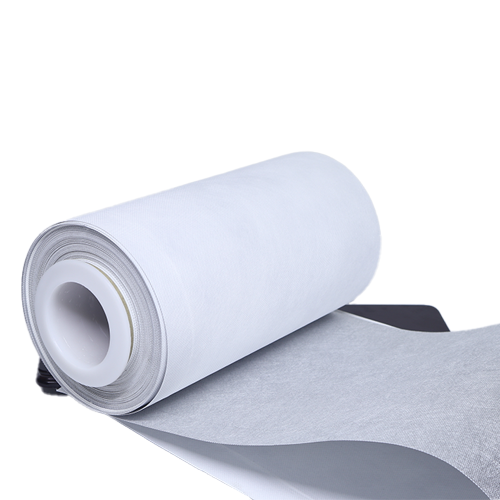
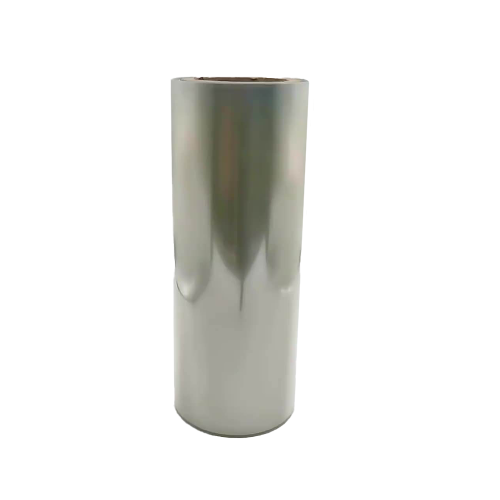
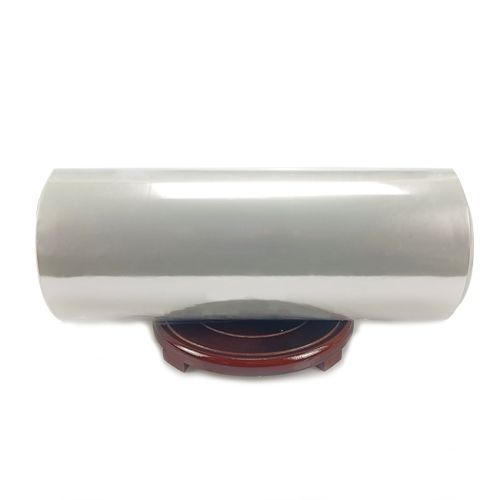
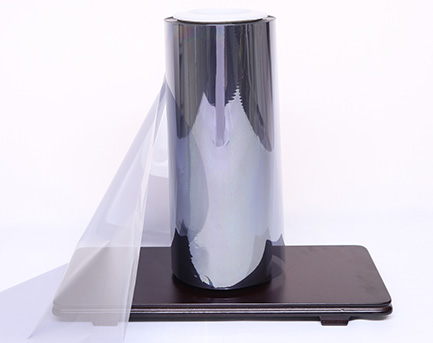
Polylactic acid (PLA) film is a new type of biodegradable material that is completely degraded by microorganisms in nature under specific conditions, ultimately generating carbon dioxide and water, without polluting the environment. It is recognized as an environmentally friendly material. PLA not only has the basic characteristics of biodegradable plastics but also has its own unique properties: its mechanical properties and physical properties are good, with strength, transparency, and resistance to climate change all being much stronger than traditional biodegradable plastics. The PLA film produced by the biaxial stretching process (BOPLA) is even more superior in performance, comparable to most traditional plastic packaging materials.
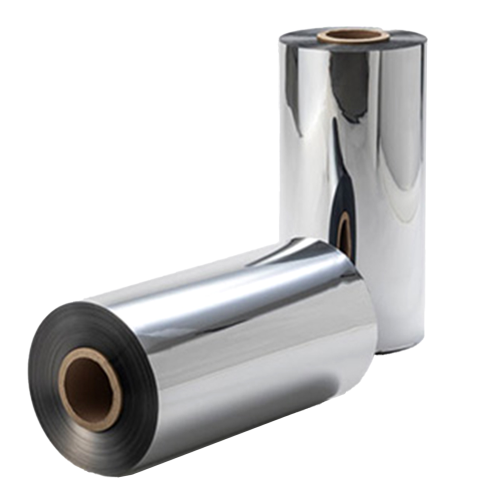
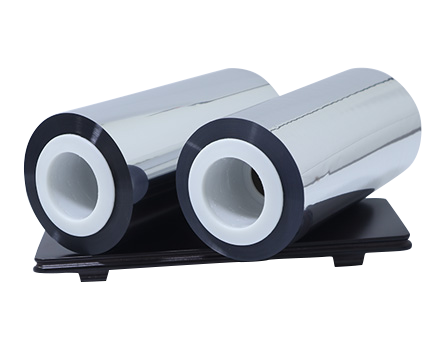
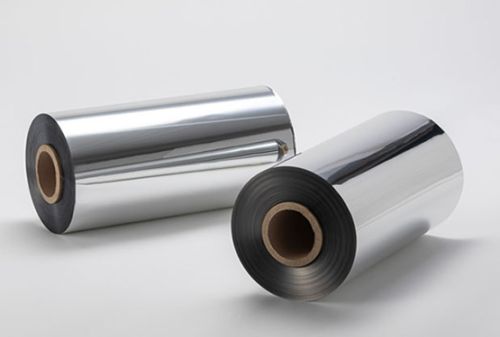
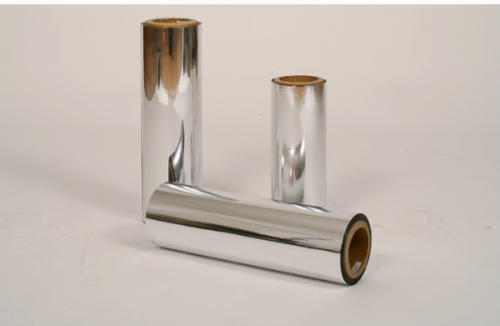
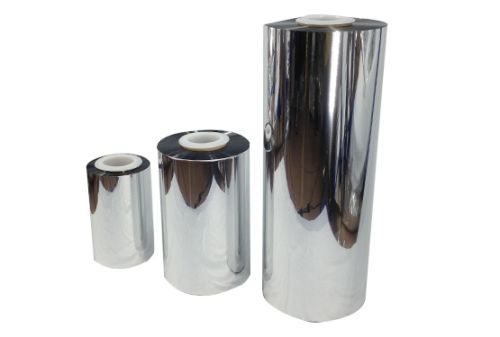
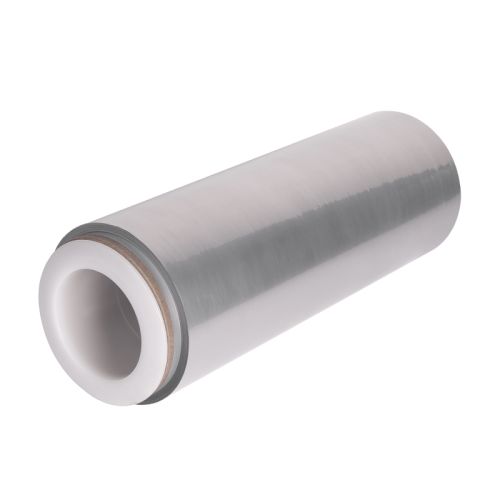
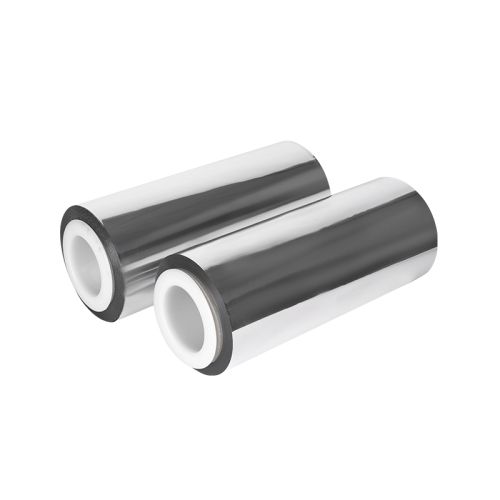
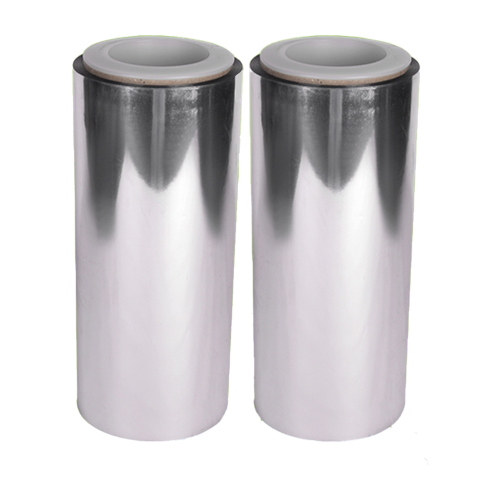
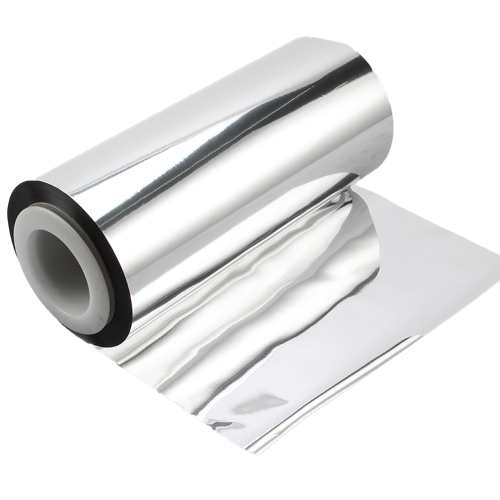
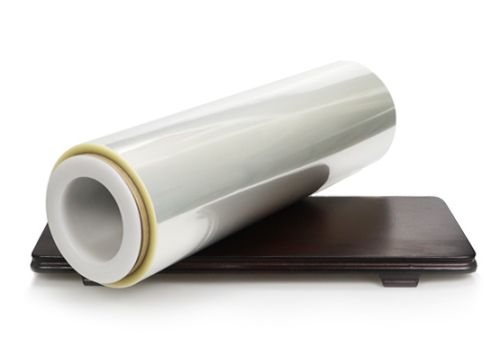
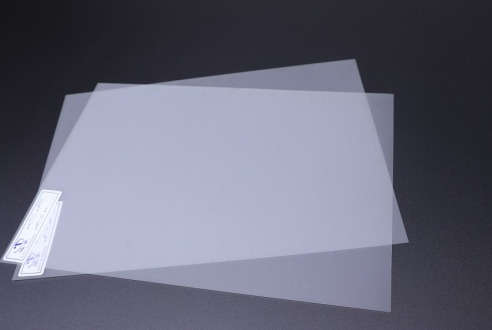
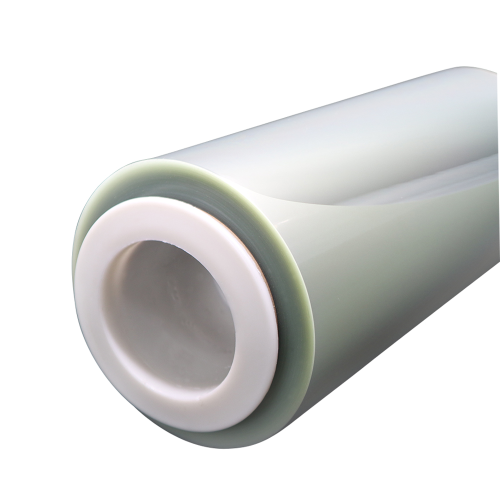
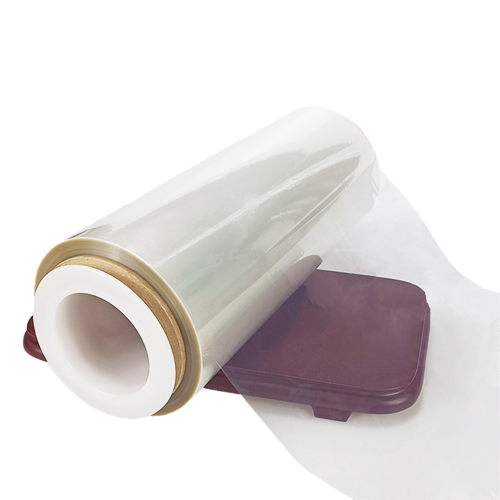
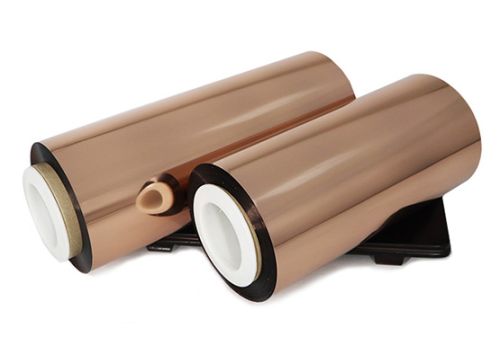
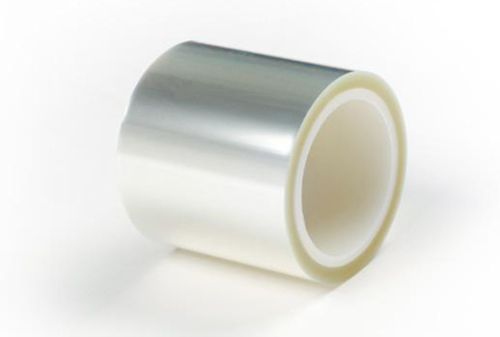
Chengfu Cailong coated packaging materials utilize advanced coating technology to produce BOPLA coated films. This has significantly improved and enhanced the oxygen and water vapor barrier properties of BOPLA, making it widely used in the packaging field. The following are the technical indicators of the BOPLA coated films produced by Chengfu Cailong, for reference by those who are interested in the design of degradation material packaging:
Model ● VPLA PLA-AlOx
Product Specifications
● Common substrate thickness: 20μm to 40μm. Width and length can be customized according to customer requirements.
Main Performance
● Poly(lactic acid) (PLA) film is a new type of biodegradable material. It is completely degraded by microorganisms in nature under specific conditions, ultimately generating carbon dioxide and water, and does not pollute the environment. It is recognized as an environmentally friendly material.
● The mechanical and physical properties of PLA film are excellent, with good tensile strength and ductility.
● It has good luster and transparency, and has the same printing performance as traditional films.
● PLA is the only biodegradable plastic with excellent antibacterial and anti-mildew properties. Typical application
● Environmentally friendly materials, replacing non-biodegradable plastic films;
Technical specifications:
Test item Test method Unit Typical value VPLA-GF02PLA-AlOx
Thickness GB/T 6672 μm 40 - 25
Aluminum layer thickness GB/T 15717 OD 2.0 -
Density GB/T 1033.1 - 2008 g/cm³ 1.26 1.26
Moisture tension GB/T 14216 - 2008 mN/m 44 - 44
Heat sealing strength 85℃/80℃ 135 kpa/2 SN/15 mm 7.5 7.2
Aluminum layer adhesion 3M 600 tape % 1 grade 1 grade
Tensile strength longitudinal GB/T 1040.3 MPa 117 - 108
Transverse 126 - 150
Tensile elongation longitudinal GB/T 1040.3 MPa 120 - 127
Transverse 101 - 187
Barrier property oxygen permeability rate ASTM-D 3985 cc/m².24h 3.025
Trans渗透 rate ASTM-F 1249 g/m².24h 2.5010
Heat shrinkage rate longitudinal 100℃/10 minutes % 4.0 4.1
Transverse 1.2 3.1
Important Note
●The above data information is obtained through our company's tests and is provided for customers' sample testing or when using this product as a reference;
●The final performance of the product is related to the composite process. Improper use may cause destructive damage to the product;
●For other special requirements from customers, it is best to have detailed communication with our technical department to make the product more suitable for customer use.