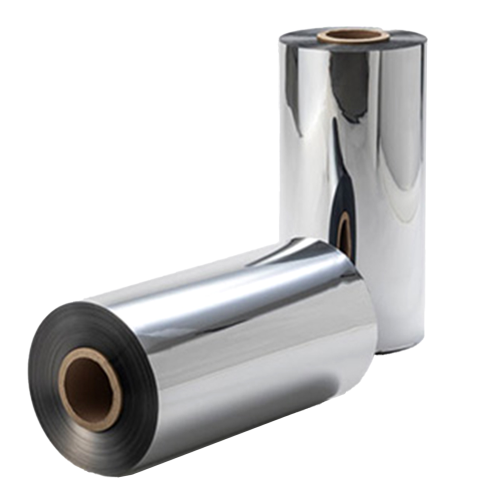
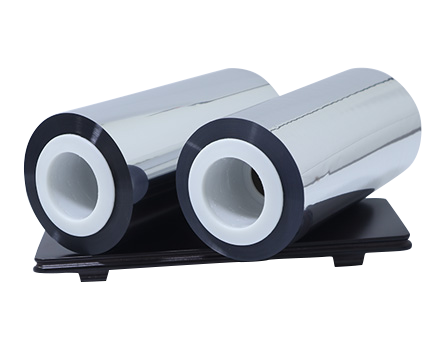
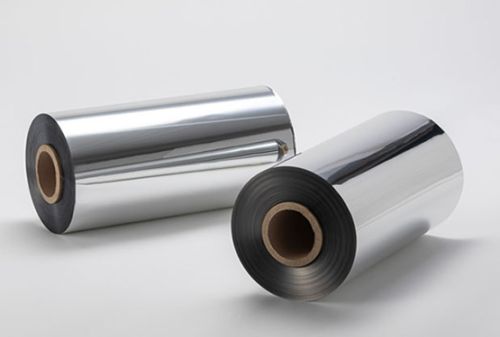
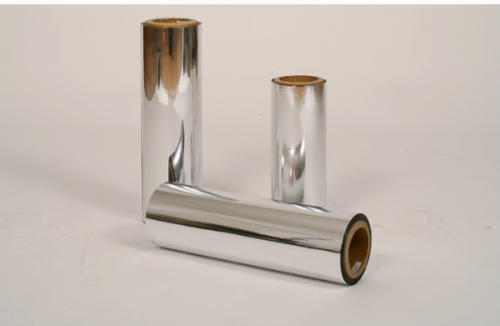
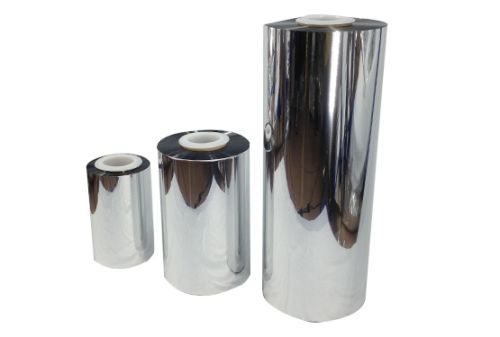
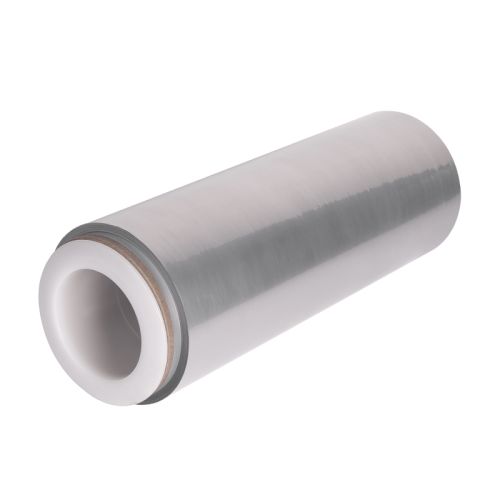
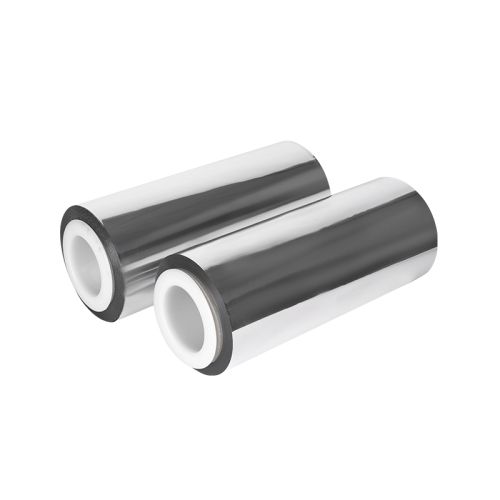
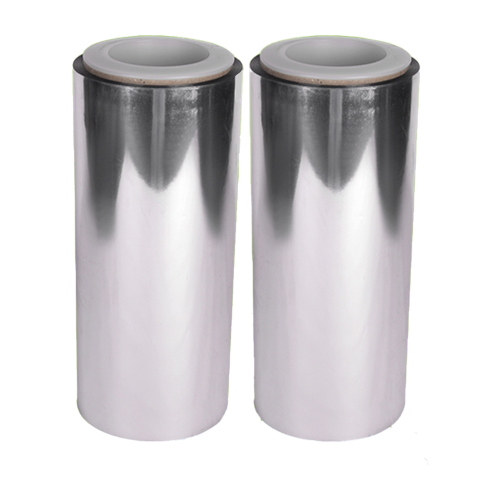
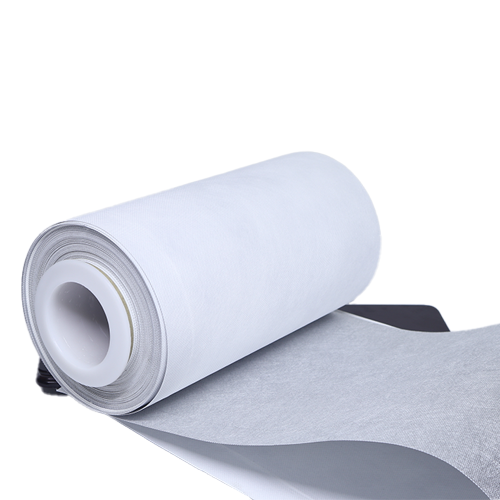
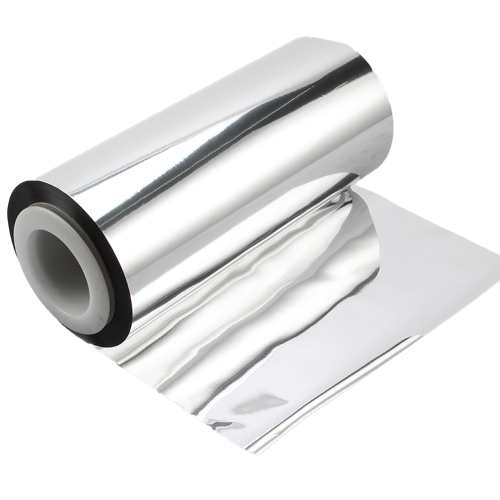
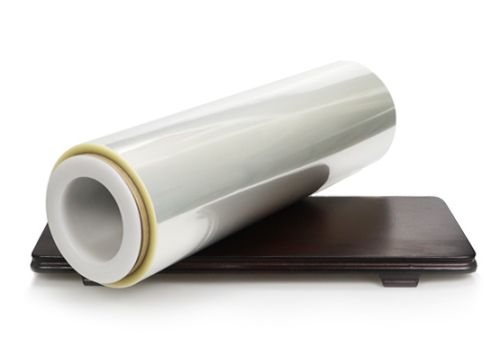
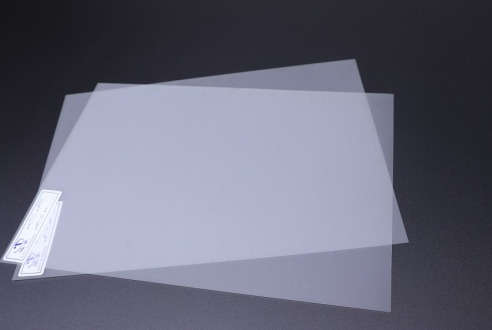
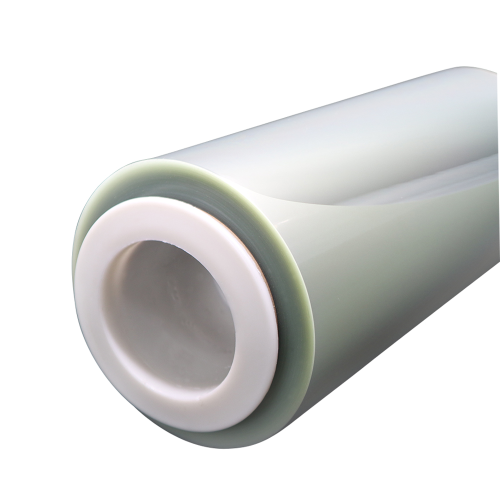
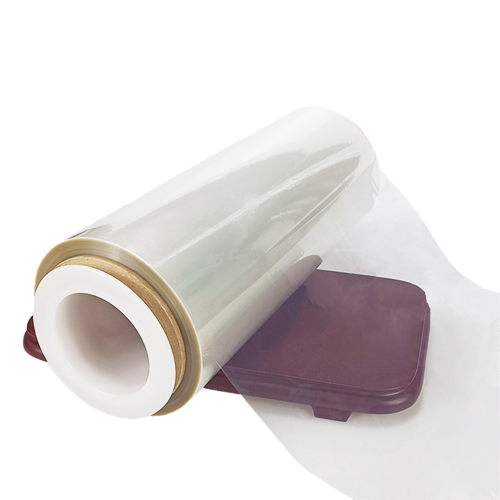
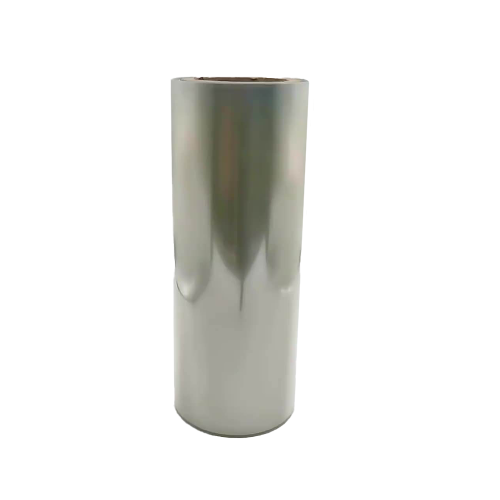
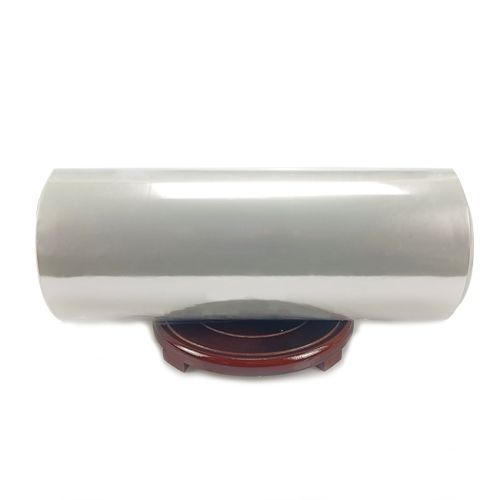
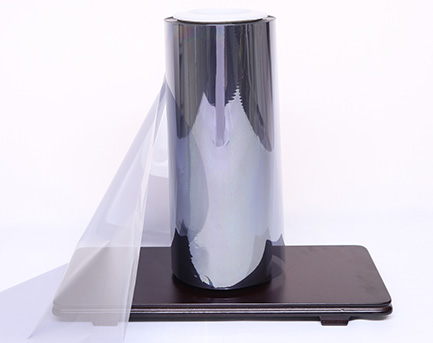
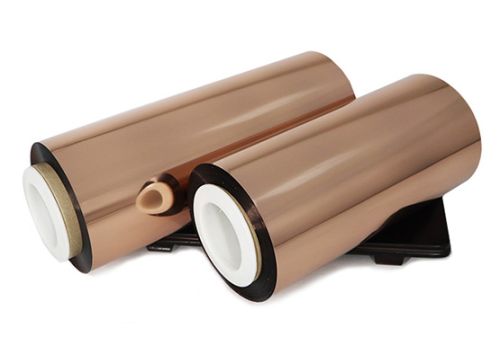
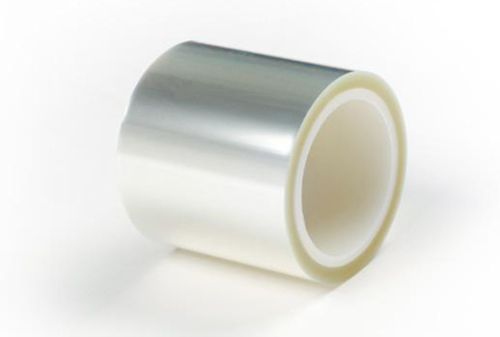
If you're specifying materials for snack bags, coffee pouches, pet food, or liquid sachets, you've almost certainly hit the classic tri-laminate: PET / VMPET / LLDPE. It's the "goldilocks" option between transparent BOPP/CPP (cheap, low barrier) and PET/AL/PE (ultimate barrier, non-recyclable, expensive). This article breaks down how the structure works, what numbers to expect, and where it fits versus aluminum foil or emerging mono-material routes.
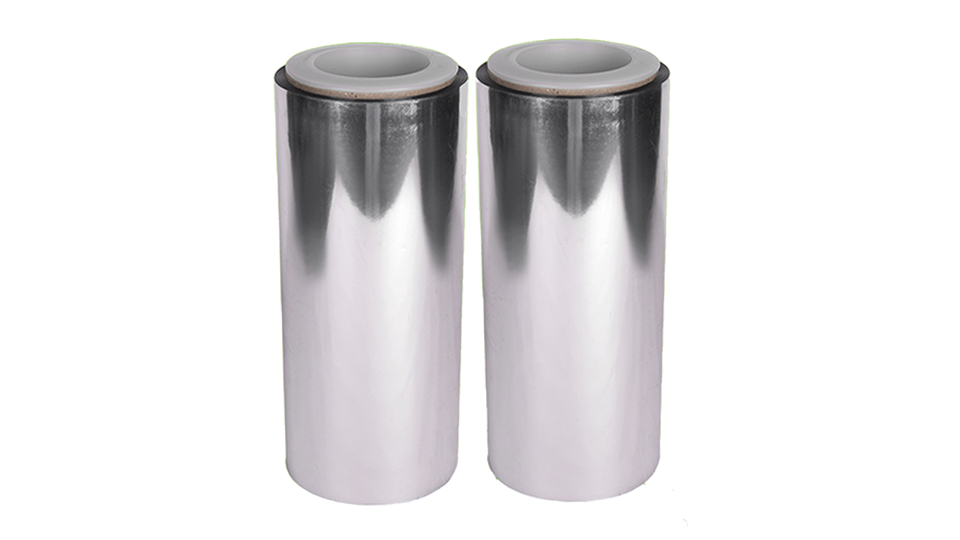
What Is PET/VMPET/LLDPE?
It's a three-layer flexible laminate built from outside → inside:
| Layer | Material | Typical Thickness | Function |
|---|
| Outer | PET (biaxially oriented polyester) | 12 μm | Print surface, stiffness, abrasion resistance, heat defense during sealing |
| Middle | VMPET (vacuum-metallized PET) | 12 μm | Barrier core — blocks O₂, moisture, UV; OD ≥1.8–2.3 typical |
| Inner | LLDPE (linear low-density polyethylene) | 50–105 μm | Food-contact sealant, puncture resistance, hot-tack |
The three are bonded with two-component PU adhesive (typical coat weight 3.5–4.5 g/m², cured 45–55°C) to keep the barrier intact across slitting and pouching. The logic: PET protects the print and handles heat; VMPET does the heavy lifting on O₂/H₂O/light; LLDPE seals the deal. Each layer covers the other's weakness.
Key Performance: OTR & WVTR You Can Expect
Real-world TDS data for a Matte PET12 / VMPET12 / LDPE105 food-grade stand-up pouch:
- OTR: <0.8 cc/m²·day (23°C, 0% RH, ASTM F1927/F1307)
- WVTR: <1.2 g/m²·day (38°C, 90% RH)
Another supplier's PET12 / VMPET12 / LLDPE80 laminate rolls in at:
- OTR ≈ 1.55 cc/m²·24h
- WVTR ≈ 0.94 g/m²·24h
Industry benchmark table (relative to alternatives):
| Structure | OTR (cc/m²·24h) | WVTR (g/m²·24h) | Cost Index |
|---|
| PET / VMPET / PE | ≤1.0 | ≤0.5–1.2 | 1.0 (baseline) |
| PET / AL / PE | ≈0 | ≈0 | 1.8–2.2 |
| PET / PE (SiOx transparent) | ≤2.0 | — | 1.3–1.5 |
| BOPP / CPP | 1500–2500 | 6–10 | 0.6–0.8 |
Actual OTR/WVTR depends on VMPET optical density (OD), aluminum adhesion, and PU adhesive penetration. Request COA per batch if shelf-life >12 months.
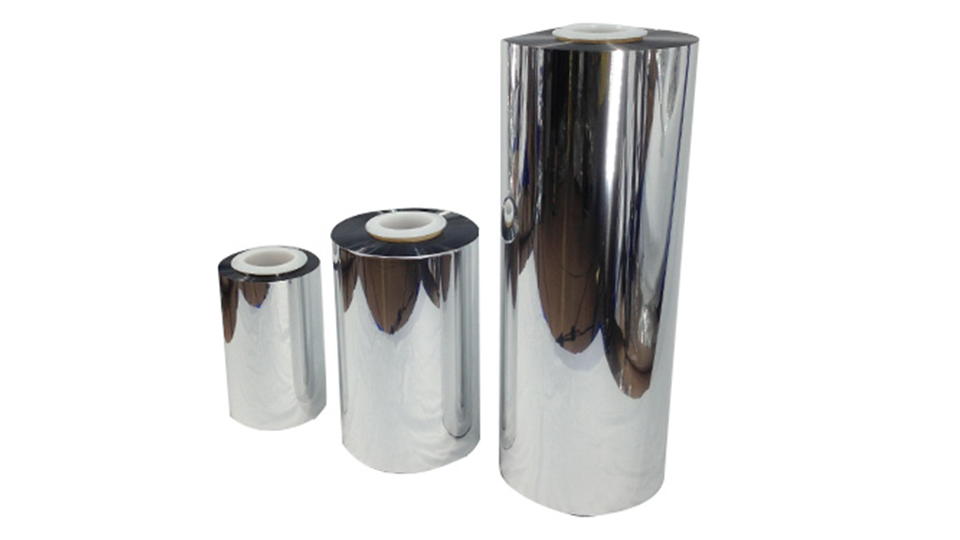
PET/VMPET/LLDPE vs PET/AL/PE vs Mono-Material
| Property | PET/VMPET/LLDPE | PET/AL/PE | Mono-PP (BOPP/VMBOPP/CPP) |
|---|
| Oxygen barrier | Good (OTR ~0.8–1.7) | Excellent (~0) | Mid (depends on VM grade) |
| Moisture barrier | Good (WVTR ~0.9–1.2) | Excellent (~0) | Mid |
| Light blocking | ✅ Full (metallized) | ✅ Full (foil) | ✅ Full (VM) |
| Microwave / metal detector | ✅ Friendly | ❌ Not friendly | ✅ Friendly |
| Recyclability | Mixed (PET+PE) | Poor (PET+AL+PE) | ✅ Best (PP-homogenous) |
| Cost | Mid | High | Mid |
| Pinhole risk | Low | Moderate (thin AL) | Low |
Takeaway: Choose PET/VMPET/LLDPE when you need near-foil barrier but want lower cost, no pinhole anxiety, and metal-detector compatibility—e.g., nuts, coffee, protein powder, pet treats, laundry pod refills.
Typical Applications
- Dry foods — roasted nuts, extruded snacks, potato chips (oxygen + light critical)
- Aroma-sensitive — ground coffee, cocoa, spice blends (VMPET blocks 99% UV)
- Pet food & treats — retort-adjacent pouches, stand-up with zipper
- Powders & supplements — protein, vitamin sachets (puncture resistance from LLDPE)
- Liquid sachets — sauces, dressings, laundry pods (pair with proper seal-integrity testing)
For stiffer stand-up pouches, total laminate thickness is usually ≥100 μm (e.g., 12/12/80 or 12/12/105) to get rigidity from the two PET layers.
Print & Finishing Options
- Gloss PET outer → shiny metallized "jewel" look
- Matte PET / MOPP outer → premium soft-touch, often with window knockout
- Matte lacquer coating on PET outer for luxury finish
- Gravure / flexo up to 10 colors, corona ≥42 dynes/cm
- Optional: resealable zipper, tear notch, Euro slot, degassing valve (coffee)
Compliance Checklist (What Buyers Usually Ask)
- FDA 21 CFR 177.1630 (PET) / 177.1520 (LDPE/LLDPE)
- EU 10/2011 Plastics Regulation
- Swiss Ordinance SR 817.023.21
- Heavy metals ≤100 ppm (EU 94/62/EC)
- BRCGS / IFS Food (AA/B grade) where applicable
FAQ
Q: Can PET/VMPET/LLDPE fully replace PET/AL/PE?
A: For most dry/shelf-stable foods with 6–18 month targets — yes, and you save cost + gain metal-detector pass. For ultra-long shelf (24+ months) or highly oxygen-sensitive actives (some pharma), AL still wins.
Q: Why LLDPE instead of CPP for the seal layer?
A: LLDPE gives better puncture resistance, hot-tack (important on VFFS), and drop-test performance — preferred for nuts/pet food. CPP is an option if you need higher heat resistance or clearer inner.
Q: Is it recyclable?
A: Technically mixed-substrate (PET + PE), so not mono-recyclable. If brand sustainability goals demand mono-material, switch to BOPP/VMBOPP/CPP (PP-homogenous) but expect slightly different barrier/wrinkle behavior.
Q: What's the minimum gauge for a stand-up pouch?
A: Total ≥100 μm is a safe rule (e.g., 12+12+76 or 12+12+105). Below that, the pouch loses rigidity at the base.
Sourcing CTA
When comparing quotes, don't just look at $/kg — ask suppliers for:
- VMPET OD value (≥2.0 recommended for high barrier)
- OTR / WVTR COA on the finished laminate (not just raw VMPET)
- Aluminum adhesion (EAA test, ≥2.5 N/15mm)
- Migration compliance for your target market (FDA / EU / China GB)