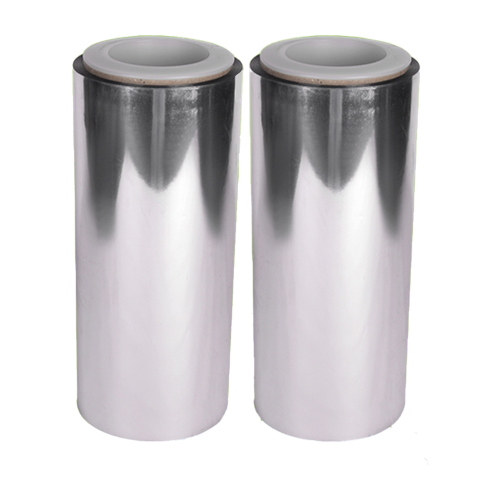
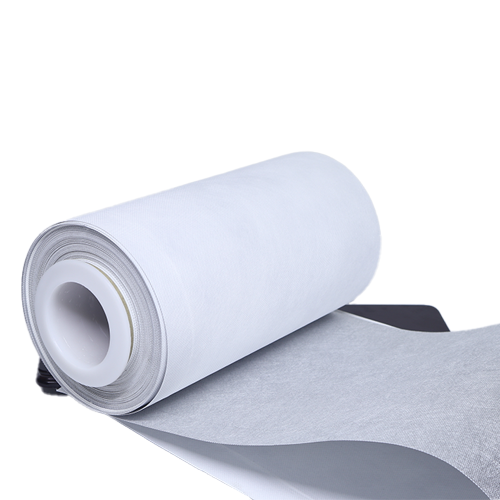
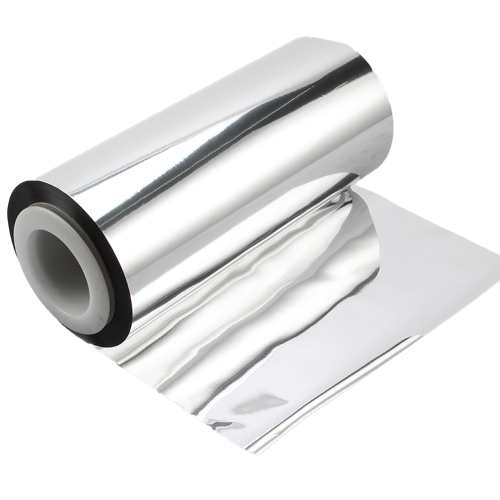
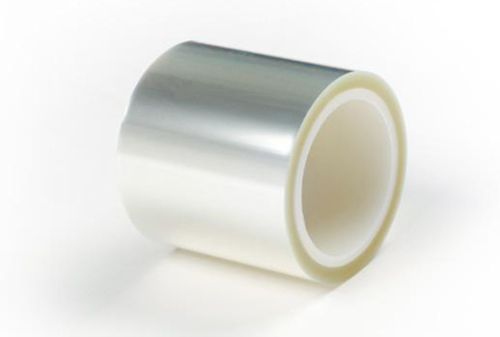
There's an old saying in flexible packaging: "High barrier, high transparency, microwaveable/metal-detectable" is an impossible triangle. Aluminum foil blocks everything but is opaque and not microwave-safe. PVDC performs well but faces EU recycling headwinds. K‑coated films are cheap but only offer medium-high barrier. Two routes have pushed the triangle to its limits: ALOx PET (aluminum oxide coating, physical ceramic approach) and EVOH multilayer coextrusion (ethylene-vinyl alcohol copolymer, chemical polarity approach).
When industry peers debate material selection, memorizing datasheets isn't enough. You need to understand three things: who fears moisture, who hates flexing, and who benefits from recyclability.
Mechanism First: Chemical Polarity vs. Physical Density
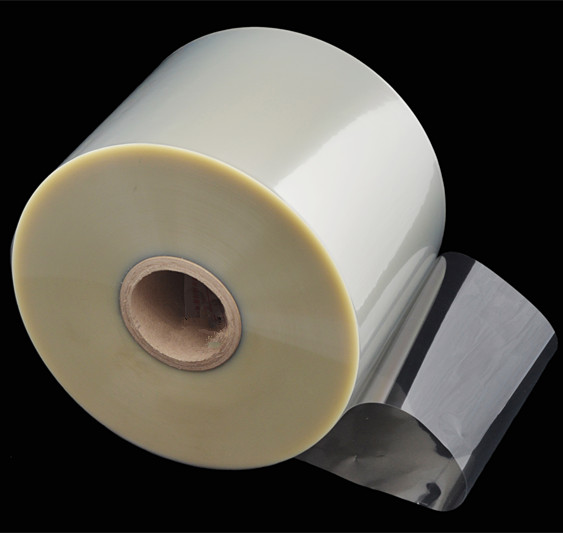
EVOH relies on densely packed molecular chains to block oxygen. Its highly crystalline, polar structure has low affinity for non‑polar O₂. In dry conditions, it's the best oxygen barrier available. But the Achilles' heel: water sensitivity. Once EVOH absorbs moisture, its hydroxyl groups loosen, and OTR can jump by an order of magnitude. That's why EVOH must be "sandwiched" — typically in a 5‑layer or 7‑layer coextrusion: PE/Tie/EVOH/Tie/PE, with outer PE layers blocking water vapor.
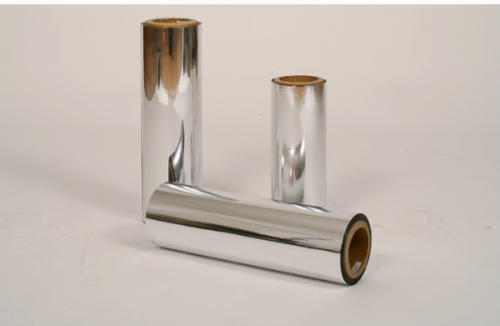
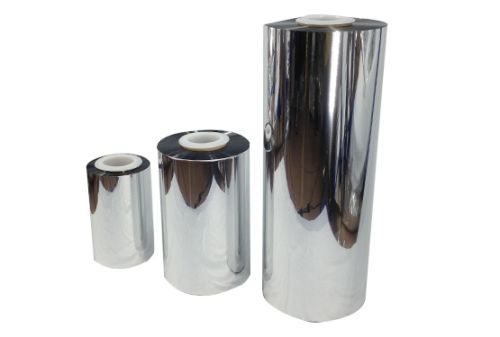
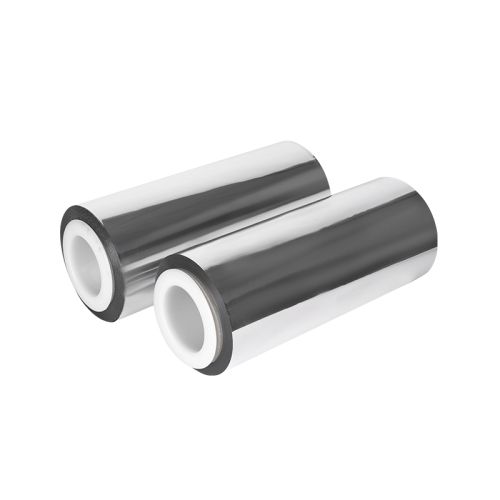
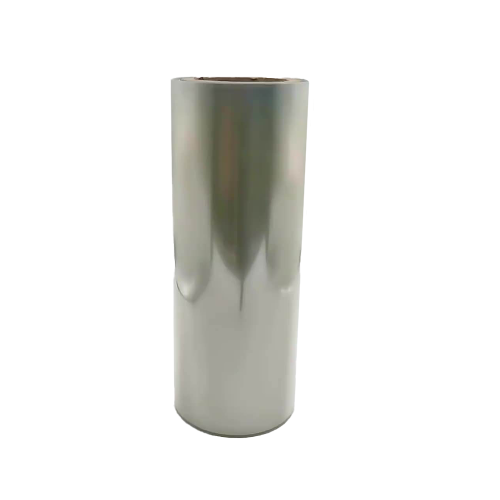
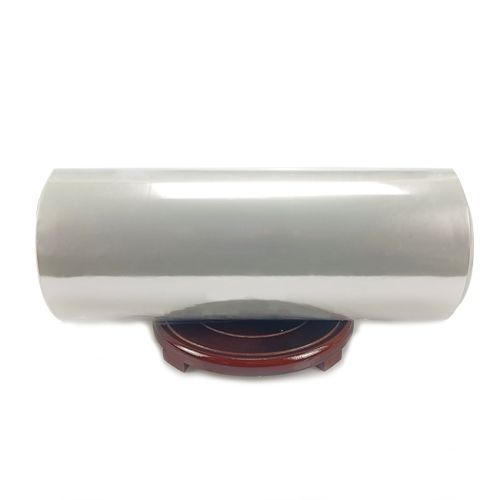
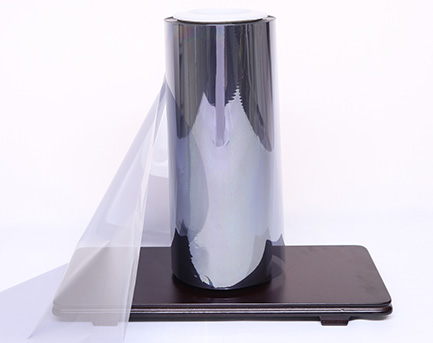
ALOx PET works differently: a 30–50 nm dense ceramic layer (Al₂O₃) is vacuum-deposited onto PET film. This inorganic coating physically seals gas pathways. It blocks both oxygen and moisture simultaneously, with minimal humidity dependence — something EVOH can never match.
In one sentence: EVOH is the king of dry‑state oxygen barrier but needs moisture protection; ALOx offers dual barrier regardless of environment, but the coating is vulnerable to excessive bending.
Core Performance Comparison (at 23°C)
| Parameter | ALOx PET (Coated Grade) | EVOH (Multilayer Coex, Dry State) | Notes |
|---|
| OTR (cc/m²·day·atm, 23°C) | 0.1–1.0 (premium grades reach 0.07) | 0.1–2.0 (dry); rises sharply at high RH | ALOx stays stable under high humidity |
| WVTR (g/m²·day, 38°C/90%RH) | 0.1–1.5 | 20–50 (poor alone; relies on outer PE) | EVOH's WVTR alone is meaningless |
| Transparency | ≥87%, see‑through | Transparent (coex structure itself clear) | Both allow product visibility |
| Microwaveable | Ceramic layer non‑conductive, safe | Depends on structure; pure EVOH coex can work | Check sealing layer design |
| Metal Detector Friendly | Al₂O₃ has no free metal, won't trigger | Pure polymer, no issue | Both pass automated lines |
| Flex/Fold Resistance | Coating may micro‑crack if elongation >2% or sharp crease | Excellent overall integrity, better puncture resistance | EVOH wins for vacuum meat packs |
| Recyclability | PET base, compatible with mono‑PET stream | Multilayer dissimilar materials (PE+Tie+EVOH) hard to separate | ALOx enjoys policy tailwind |
| Cost Index (BOPP = 1 reference) | 2.5–3.5 | 2.0–3.0 | Similar; EVOH slightly lower but more complex structure |
One table tells the story: ALOx wins on dual barrier + humidity stability + recyclability; EVOH wins on flex/puncture resistance + mature coex process + extreme dry‑state O₂ barrier.
Where Each Shines: Don't Use EVOH for Protein Powder, Don't Use ALOx for Vacuum Beef Steaks
EVOH Sweet Spots
- Fresh red meat, sausages, cheese — vacuum packs that require puncture resistance and cold‑chain flexing. PA/Tie/EVOH/Tie/PE coextruded film is the industry standard. Outer PE keeps moisture out; inner EVOH does the dry oxygen barrier job.
- Sauce pouches, yogurt cup lidding — thermoformed sheet with EVOH layer as thin as 5–10 µm still delivers.
- Cost‑sensitive bulk high‑barrier applications — once the coex line is running, unit cost can beat ALOx coating.
ALOx PET Sweet Spots
- High‑fat snacks, freeze‑dried foods, fish oil pet food — OTR must be below 1.0, plus transparency so consumers can see the granules. ALOx is cheaper than SiOx and more recyclable than PVDC.
- Pharmaceutical blisters, electronic moisture barriers — requires moisture + oxygen barrier + visibility + metal detectability. ALOx is the only option covering all four.
- Microwaveable ready meals, automated lines needing metal detection — aluminum foil can't microwave; VMPET triggers detectors. ALOx handles both.
- Mono‑PET recyclable structures — brand owners chasing EPR and EU plastic taxes. ALOx/PET/PE leans toward pure PET stream much easier than EVOH coex.
Selection Decision Tree (For R&D and Procurement)
Ask yourself these four questions — the answer will be clear:
- Is your product high‑moisture or exposed to high humidity during shelf life? → High humidity (jelly, sauces, retort bags exposed to external moisture): ALOx is safer. EVOH's OTR degrades significantly.
- Do you need transparency + microwaveability + metal detectability all together? → All three: ALOx is the only solution. If only transparency is needed, EVOH also works.
- Does the package undergo severe flexing/puncture (vacuum meat packs, MAP with rough handling)? → Yes: EVOH coex wins. ALOx coating may micro‑crack under excessive bending.
- Does your brand have a recyclability / mono‑material KPI? → Yes: ALOx PET fits into PET recycling streams much better than EVOH multilayers.
One often‑overlooked point: For boil‑in‑bag or retort applications, choose protective‑coated ALOx grades (e.g., ALOx‑P121 series). Printing grades (P122 series) are generally not retort‑stable — selecting the wrong grade can cause field failures.
Final Thoughts: The De‑Aluminization Race — Both Technologies Will Coexist for Years
The industry has debated whether ALOx will eat EVOH's lunch for nearly a decade. The conclusion: each guards its own fortress.
- EVOH's moat is deep in high‑moisture meat products + coextruded tubes. The PA/EVOH/PE puncture system is hard for ALOx to replace in the short term.
- ALOx stands alone in the transparent + recyclable + microwaveable triangle. SiOx performs better but costs 30–50% more; PVDC is squeezed by recycling policies. ALOx sits right in the middle.
The real wildcards are cost reduction of high‑barrier SiOx and thinner‑layer EVOH coex technology — they could redraw the middle ground. That's a topic for another day.
If you're stuck choosing between PET/ALOx/CPP and PA/Tie/EVOH/Tie/PE for a specific pet food or snack, drop me three parameters: product type, required shelf life, and whether retort is needed — I can give you a direct recommendation.
Want me to follow up with a piece on SiOx vs. ALOx: where's the cost‑performance tipping point? Several Chinese manufacturers (Meifeng, Hanyang, Zhejiang Zhongcheng) are driving fierce competition in this space this year.
Image Suggestions (for publication)
- Figure 1 – Mechanism comparison: Side‑by‑side illustration of ALOx coated film structure (PET substrate + Al₂O₃ layer + optional topcoat) and EVOH coex cross‑section (PE/Tie/EVOH/Tie/PE). Place after "Mechanism First" section.
- Figure 2 – Application photos: EVOH vacuum‑packed fresh meat (showing puncture resistance) and ALOx transparent snack pouch (showing clarity). Place after "Where Each Shines" section.
- Figure 3 – Process diagram: EVOH coextrusion die head schematic or ALOx PVD chamber photo. Place near the final thoughts.