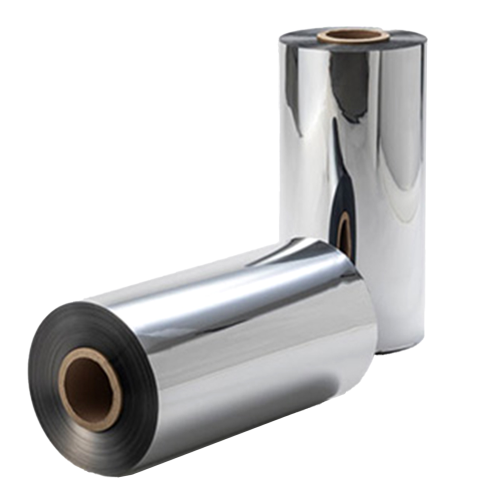
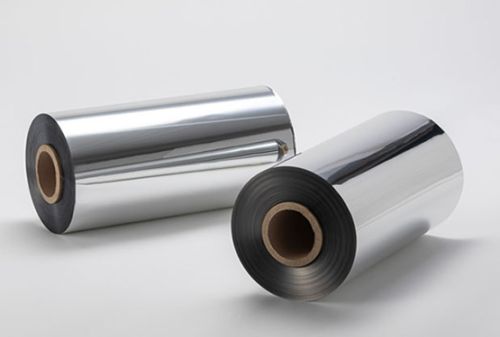
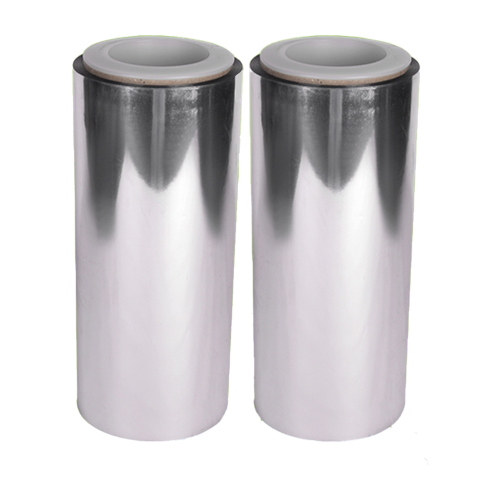
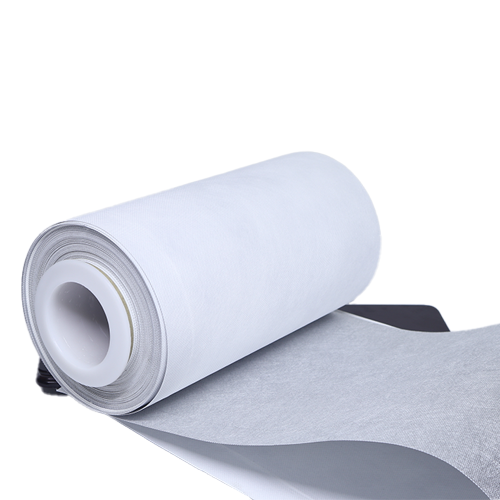
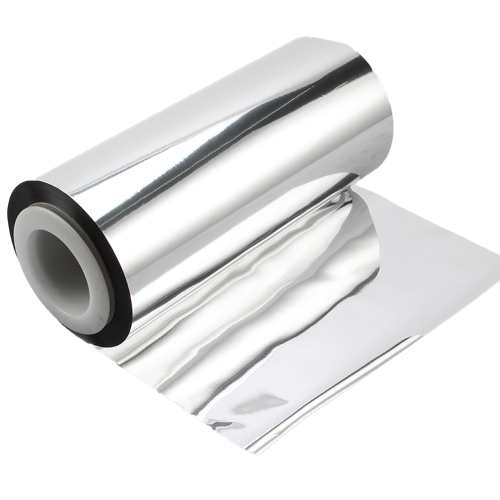
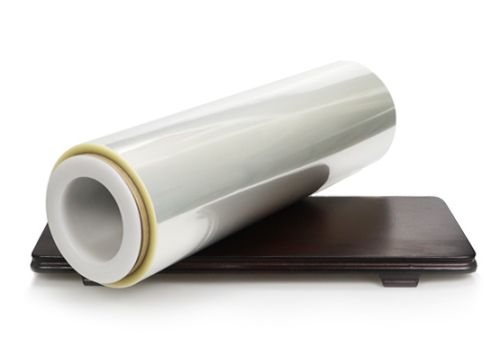
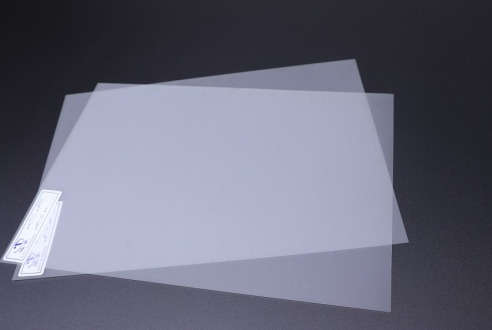
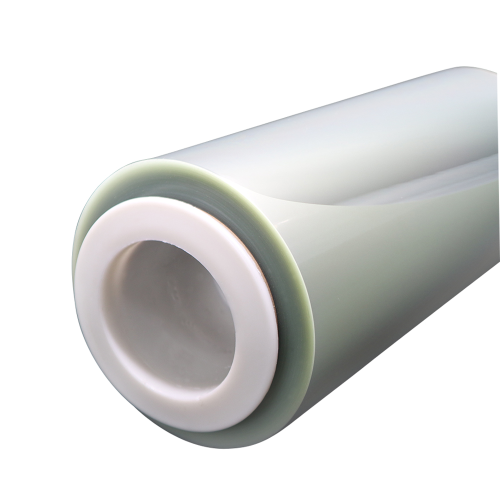
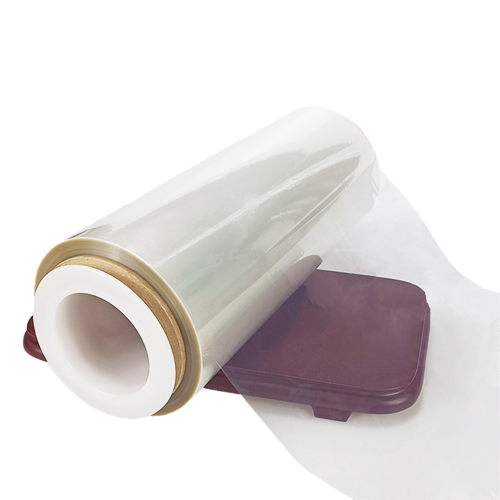
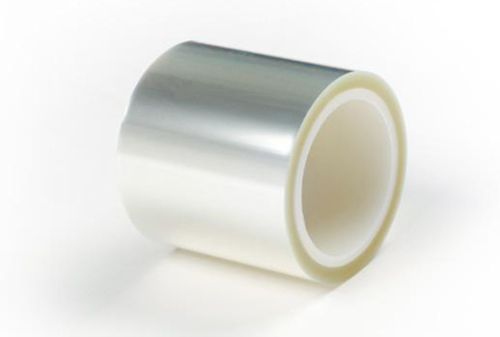
PET AlOx Film data can appear inconsistent when two reports use different temperatures, relative humidity, specimen preparation or sample construction. Before ranking grades, buyers need to confirm that the OTR and WVTR values describe comparable tests and the same stage of conversion.
An AlOx Film Supplier should receive the required test conditions with the enquiry. Cailong’s PET AlOx range includes uncoated, top-coated and retort-coating series, so a family name alone does not identify the grade, surface or thermal history represented by a barrier result.
OTR and WVTR Measure Different Risks
OTR describes oxygen transmission through a specimen under stated conditions. It is relevant to oxidation, color change and aroma stability, but it does not measure seal leakage or oxygen already trapped in the headspace. WVTR describes water-vapor transmission and is relevant to drying, moisture pickup, caking and texture change. One result cannot be substituted for the other.
Every report should identify the method, unit, temperature, relative humidity, specimen orientation and conditioning. A value without these details cannot be compared reliably with another supplier’s number. The report should also state whether it is a typical laboratory value or an agreed specification limit.
Confirm What the Specimen Contains
A result for single PET AlOx film is not the same as a result for a laminated web or a finished pouch. Adhesive, adjacent films, folds and seals change the transmission path. Label every sample clearly as incoming film, cured laminate, flexed laminate, pouch panel or complete package.
For a structure such as PET AlOx / adhesive / PE, the transparent oxide-coated PET supplies barrier while PE supplies the seal surface. If a printed outer web is added, the construction and interface history change again. Keep layer gauges, adhesive coat weight and cure conditions attached to the result.
Test Before and After Conversion
Incoming measurements establish a baseline. Repeat the relevant test after printing and lamination because web tension, roller contact, heat and cure stress can affect the oxide layer. If the package will be folded or formed, add a controlled flex stage before the next measurement.
Use specimens from defined positions across the roll and from more than one roll location when the project risk justifies it. A center sample may miss edge damage or a repeating lane defect. Retain matched specimens so an unexpected result can be retested without changing the material history.
Separate Barrier Loss from Package Leakage
A finished pack can lose shelf life even when the flat laminate meets its target. Seal contamination, punctures, valves, zippers and tear features can create faster entry paths. Run leak and seal-integrity work alongside transmission testing rather than interpreting every poor package result as film permeation.
Map failures by location. A result concentrated at folds suggests a different investigation from one concentrated at the seal perimeter. If headspace oxygen rises, confirm filling and flushing controls before increasing the barrier grade.
Create a Comparable Approval Table
For each candidate, record grade, thickness, coating type, test method, conditions, specimen stage, result and acceptance limit. Compare candidates only within matched rows. Add transparency, bond condition and finished-pack observations because the lowest transmission number may not produce the most stable commercial structure.
Send Cailong the current laminate, product sensitivity, required OTR and WVTR conditions, printing and lamination route, heat exposure and failure samples. This gives the technical team enough information to recommend a PET AlOx grade and a test sequence that can be reproduced during production approval.